

Measure your sofa, cut lumber, assemble a narrow frame, then sand and finish.
A sofa table blends form and function. It holds lamps, hides cords, and frames your room. In this guide, I show you how to make a sofa table with pro tips, real costs, and foolproof steps.
If you want a clean look and a custom fit, this walkthrough on how to make a sofa table will save time, money, and mistakes.
How to Make a Sofa Table?
What You Need: Materials, Tools, and Cost Overview
Building a sofa table is a simple project. You need basic tools, a clear plan, and a few hours. The result looks custom and lasts for years.
Materials to consider:
- Wood: pine for budget, poplar for paint, oak or maple for durability
- Fasteners: wood glue, 1.25 to 2.5 inch wood screws, pocket hole screws if used
- Hardware: corner brackets, L-brackets, leveling feet, felt pads
- Finish: sandpaper (80, 120, 180 grit), stain, water-based or oil-based polyurethane
- Optional: dowels, biscuits, pocket hole plugs, metal grommets, cable raceways
Tools you will use:
- Tape measure, pencil, speed square, level
- Miter saw or circular saw with a guide
- Drill and bits, countersink, driver tips
- Orbital sander and sanding block
- Clamps; a pocket hole jig or dowel jig if you prefer
Typical cost ranges:
- Budget build with construction lumber: 40 to 80 dollars
- Mid-range hardwood: 120 to 300 dollars
- Premium slabs or live edge: 250 dollars and up
Why this matters for how to make a sofa table: choosing the right wood and tools sets the tone. It affects cost, strength, and finish quality.

Plan First: Dimensions, Ergonomics, and Layout
Good planning prevents wobble and waste. Measure your sofa at three points and write it down. Check height, width, and the space behind it.
Use these quick rules:
- Height: level with the sofa back, or up to 2 inches lower
- Depth: 8 to 14 inches; use 10 inches in small rooms
- Length: near the width of the sofa, minus arm thickness if tight
- Clearance: leave 30 to 36 inches for walkways
If you plan lamps, note where cords will drop. Add a notch or a grommet for cables. This step is key when learning how to make a sofa table that fits your life.
Choose a Style: Designs That Work Behind a Sofa
Style shapes both look and strength. Choose a frame that matches your room and skills. Keep lines simple if this is your first build.
Popular options:
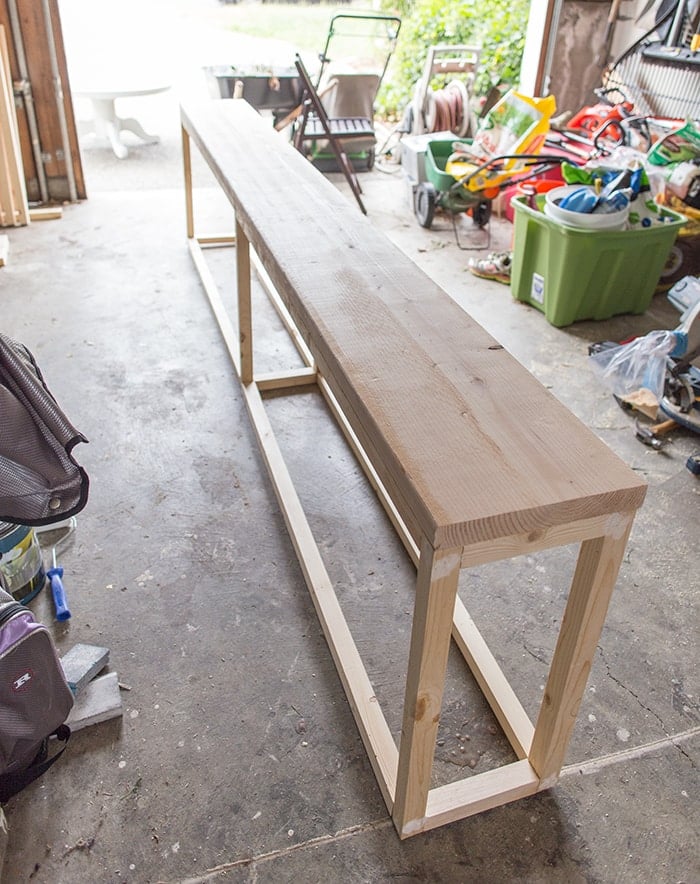
- Slim top with four legs: clean and fast to build
- Frame with lower stretcher: more stable and classic
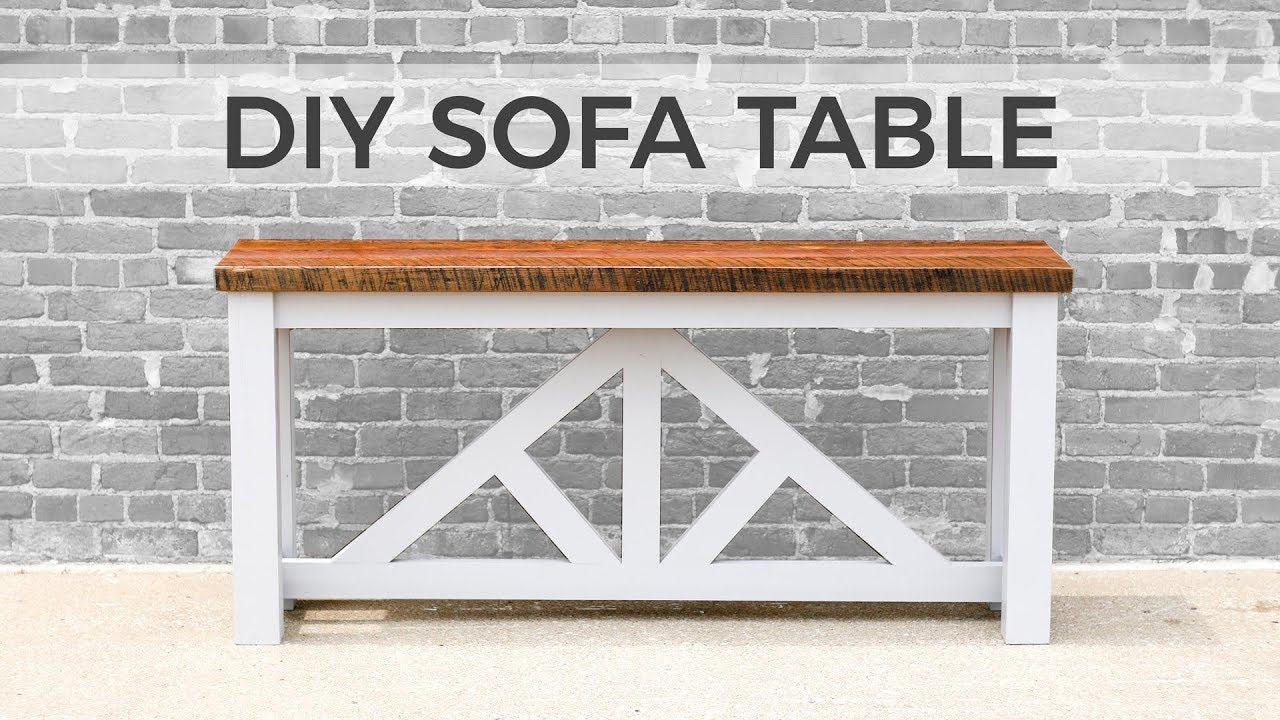
- Farmhouse with X-brace: rustic look with strong bracing
- Waterfall plywood: modern, a single wrap over the ends
- Metal hairpin legs: light look, easy to attach
- Two-tier console: storage shelf below for baskets or books
For kids or pets, pick a braced frame. Add leveling feet on uneven floors. When you plan how to make a sofa table, stability is as important as style.
Step-by-Step: How to Make a Sofa Table
Follow these steps for a strong, straight build. Read once through before you cut. Dry fit parts to avoid surprises.
- Measure the sofa back height and space. Set final height to match or sit lower by 1 inch. Mark depth and length targets.
- Draft a cut list. Top, legs, aprons or stretchers, and shelf if used. Add 10 percent extra length for test cuts.
- Mill and cut parts to size. Use a stop block for repeat cuts. Label each piece.
- Break sharp edges with 120 grit. This reduces splinters and finish runs.
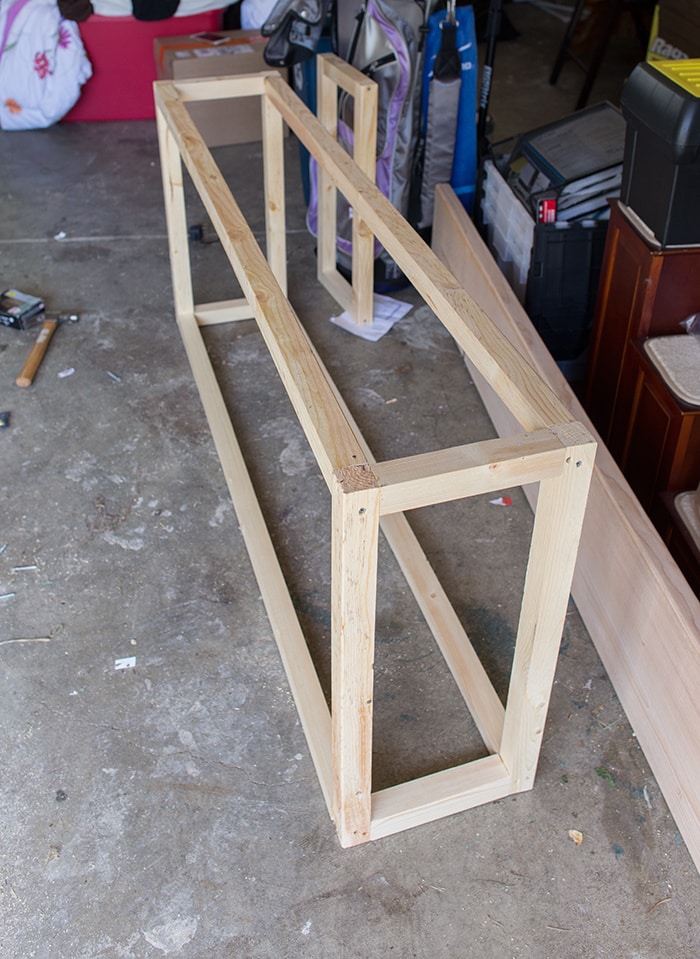
- Pre-drill and dry fit the base. Use a square to check 90-degree corners.
- Choose joinery. Pocket holes are fast. Dowels or mortise and tenon are classic and strong.
- Glue and clamp the base. Remove squeeze-out with a damp rag. Let it cure as directed by the glue label.
- Attach stretchers for rigidity. Place them low enough for stools if you plan seating.
- Prepare the top. Edge-glue boards if needed. Clamp flat with cauls to prevent bow.
- Sand the whole piece: 80, 120, then 180 grit. Vacuum dust between grits.
- Attach the top from below. Use figure-8 fasteners or slotted holes to allow wood movement.
- Test stability. Add corner blocks, an X-brace, or wider feet if it rocks.
Safety notes from experience:
- Wear eye and ear protection. Dust mask for sanding.
- Clamp work before cutting or drilling.
- Let finish cure fully before heavy use.
These steps show how to make a sofa table without guesswork. Take your time, and the fit and finish will shine.
Strong Joints and Stability: Build Techniques That Last
A tall, narrow table needs good joints. It also needs bracing to stop racking. A few smart choices make a big difference.
Reliable methods:
- Pocket holes: quick, strong enough for aprons and stretchers
- Dowels or loose tenons: hidden, neat, and very strong
- Mortise and tenon: the classic, best for heirloom builds
- Corner blocks under the top: boost rigidity and screw hold
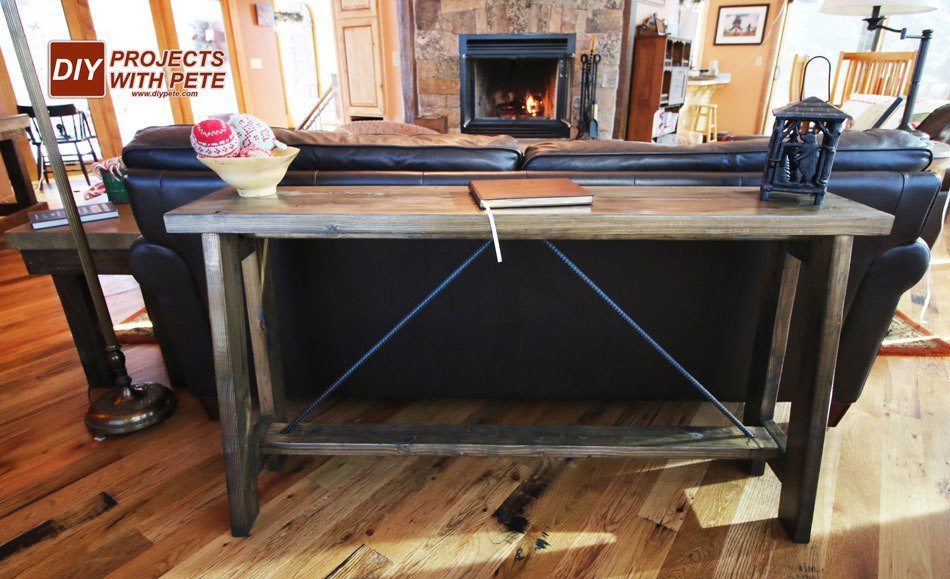
- Back rail or X-brace: stops side-to-side sway
Add felt pads to protect floors. Install leveling feet for old floors. These small steps are core to how to make a sofa table that feels solid.
Sanding, Staining, and Finishing: Durable Protection
A great finish starts with clean sanding. Keep the sander moving and use light pressure. Wipe dust often to see defects.
Finish choices:
- Stain: wipe on, wait, then wipe off; use conditioner on pine to avoid blotches
- Water-based poly: fast dry, low odor, stays clear
- Oil-based poly: warm tone, tougher, but longer cure
- Hardwax oil: easy to repair, natural feel
Process that works well:
- Sand 80, 120, 180 grit
- Apply stain if desired, let it dry
- Apply three thin coats of topcoat, sand light between coats with 220 grit
- Cure per label before placing decor
If you want a painted look, prime first, then use enamel trim paint. The finish choice is part of how to make a sofa table that matches your room.
Wiring and Add-ons: Outlets, Charging, and Cable Management
Power is handy behind a sofa. Plan it before you assemble. Keep cords safe and neat.
Smart add-ons:
- Surface-mount a UL-listed power strip under the top
- Drill a 2-inch hole and add a grommet for cords
- Route a shallow channel under the top for cable clips
- Add a wireless charger puck away from metal fasteners
- Use a cord cover along the floor to prevent trips
Do not modify household wiring. Use listed products and follow labels. When you plan how to make a sofa table with power, safety comes first.
Styling, Use, and Maintenance
Keep the top balanced. Wide lamps near the legs reduce tip risk. Use trays to group items and protect the finish.
Helpful habits:
- Clean with a damp cloth and mild soap
- Avoid heat and standing water
- Check screws and feet every few months
- Use coasters and felt on decor bases
These small steps help your work last. They also keep the table looking like day one. It is part of how to make a sofa table that stays beautiful.
Budget, Time, and Sourcing
Plan cost and time up front. It lowers stress and helps you pick materials you can get. Local yards often have better hardwood at fair prices.
Simple benchmarks:
- Time: 4 to 8 hours for a basic build over a weekend
- Lumber: buy 10 percent extra for defects
- Sourcing: look for FSC-certified wood or reclaimed boards to reduce waste
- Rentals: borrow or rent a miter saw and sander if needed
From my shop notes, most first builds finish in one weekend. That includes dry time between coats. Clear plans are the secret to how to make a sofa table on schedule.
Frequently Asked Questions of how to make a sofa table
What is the best height for a sofa table?
Match the back height of your sofa or go 1 to 2 inches lower. This keeps lamps at a good level and feels balanced.
How deep should a sofa table be in a small room?
Aim for 10 inches. It offers function without crowding walkways.
What wood is best for beginners?
Pine or poplar are easy to cut and budget friendly. If you want a stain-grade look, choose oak or maple.
Can I build a sofa table without power tools?
Yes. A hand saw, a hand drill, and a sanding block work. It takes longer, but the process is the same.
How do I stop the table from wobbling?
Add a lower stretcher, corner blocks, or an X-brace. Level the feet and tighten all fasteners.
How do I attach the top without cracks?
Use figure-8 fasteners or slotted holes so the wood can move. Do not glue the top across the grain.
What finish is most durable for daily use?
Three thin coats of polyurethane give strong protection. Water-based is clear and fast; oil-based is tougher but slower.
Conclusion
You now know how to make a sofa table from plan to polish. Measure well, choose a stable design, use clean joinery, and finish for your space. Small touches like cord grommets and leveling feet take it from good to great.
Pick a weekend, sketch your plan, and start cutting. Share your build, ask questions, or subscribe for more shop-tested guides. Your living room will thank you.