

If you’ve ever watched bees swarm your hummingbird feeder, you know how fast a peaceful garden can turn into a buzzing standoff. I’ve managed feeders for years, tested peppermint oil, and compared it with proven tactics.
Here’s the short answer: peppermint oil can help deter bees from hummingbird feeders when used carefully on the outside surfaces, but it’s not a cure-all and it must never be added to the nectar.
Used right, it can reduce bee pressure as part of a broader plan to keep the focus on hummingbirds, not honeybees or wasps.
Quick Answer
Peppermint oil can discourage bees and wasps due to its strong scent. It’s most effective as a light barrier on the feeder exterior, around poles, hooks, or ant moats. It won’t stop a major nectar leak or a poorly designed feeder.
Never put peppermint oil in the nectar, on the ports, or anywhere hummingbirds will ingest it. Think of it as a helpful nudge, not a silver bullet.
:strip_icc()/How-To-Keep-Bees-Away-from-Hummingbird-Feeders-8Gm7gX0iK7k8IV9Ab32frB-d9c3b738b89d45c792c1812e39a72a75.jpg)
Why Bees Swarm Hummingbird Feeders?
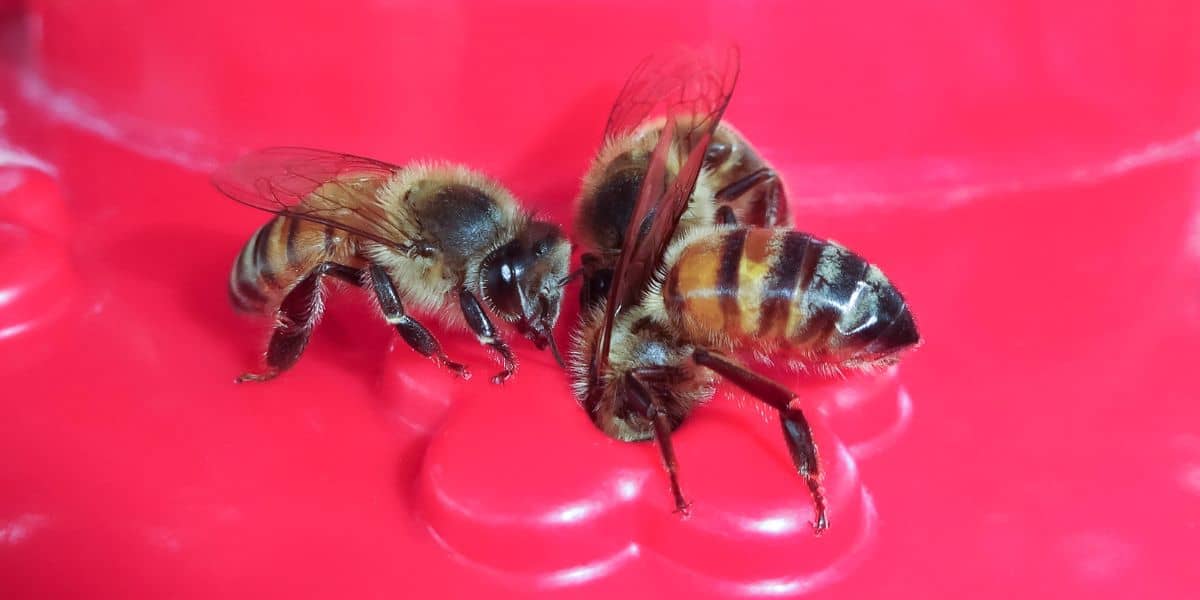
Bees and wasps are drawn by simple cues:
- Sugar spills and leaks. Even a drop of nectar can pull a whole crew.
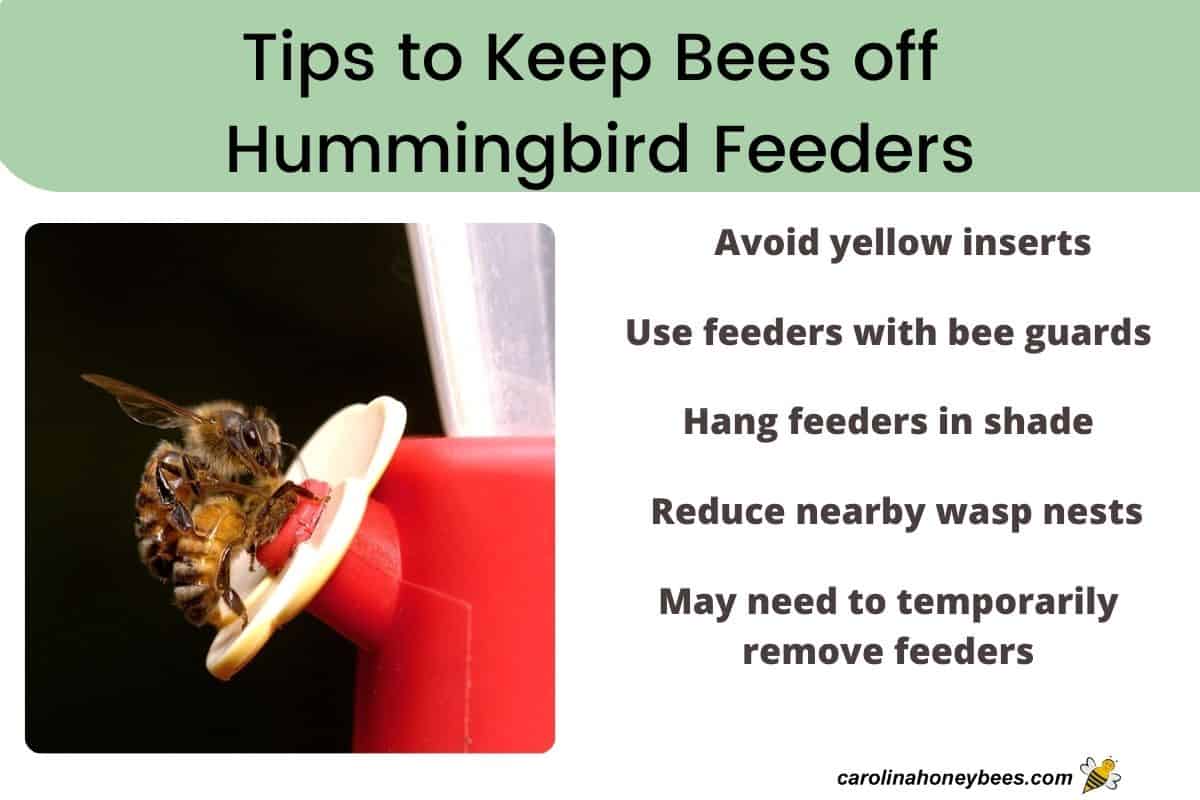
- Bright colors and exposed nectar. Yellow parts and open designs invite them.
- Sun-warmed nectar. Heat increases scent spread, making it easier to find.
- Scarce natural forage. During dry spells or late season, feeders look like easy food.
From observation and extension-backed guidance, fixing leaks and design issues does more than any single repellent. If nectar is accessible, bees will persist despite scents like peppermint.

How Peppermint Oil Works (And Its Limits)
Peppermint oil smells strong to insects. The aroma can mask nectar cues and make surfaces less attractive to land on. That said:
- It’s a deterrent, not a blocker. Determined bees may still visit if nectar is easy to reach.
- Overuse can bother hummingbirds. Strong scents at the ports can discourage feeding.
- It evaporates fast. You’ll need light reapplication every 1 to 3 days in warm weather.
- It won’t fix design flaws. Saucer-style feeders and bee guards outperform oils.
Research and field reports from birding groups and university extensions align with this: essential oils can help when used sparingly and safely, but feeder design and hygiene are the foundation.
Safe Ways to Use Peppermint Oil Around Feeders
Use peppermint oil only on external, non-contact areas. My routine:
- Dilute for control. Mix 8–10 drops of peppermint oil in 1 cup of water; shake before use.
- Apply to hardware. Wipe a little on the hanger, pole, chains, and the underside of the feeder body. Avoid the ports and reservoir seams.
- Use cotton barriers. Tuck a tiny peppermint-scented cotton ball inside a decorative hood or on the feeder pole tray, away from ports.
- Reapply lightly. Every few days, or after rain. Less is more.
Never add oils to nectar. Hummingbirds have tiny systems, and any additive can harm or deter them. Keep scented areas off their feeding path.
Proven Bee-Management Alternatives
Pair peppermint oil with these higher-impact steps:
- Choose a saucer-style feeder. Nectar sits below the ports, making it harder for bees to reach.
- Install bee guards. Hard plastic guards at ports create distance for bees but not for hummingbird tongues.
- Go all red. Avoid yellow flowers or trims that attract bees and wasps.
- Move the feeder. Shift it to shade or a new spot 5–10 feet away; bees often abandon a disrupted location.
- Reduce leaks. Tighten seals, replace cracked parts, and keep the 4:1 water-to-sugar ratio. No honey, dyes, or flavored sugars.
- Offer a decoy. Place a shallow dish with very diluted sugar water 10–20 feet away in full sun to draw bees off, then gradually move it farther.
- Keep it spotless. Wipe drips after refills and clean every 2–3 days in warm weather.
These methods are consistently recommended by birding experts and have worked best in my yard.
Step-By-Step Plan to Keep Bees Off Your Feeder
Step 1: Switch to a saucer-style, all-red feeder with bee guards.
Step 2: Fix leaks and wipe spills after every fill.
Step 3: Move the feeder to a shaded, breezy spot.
Step 4: Set a decoy sugar dish far away in sun to lure bees.
Step 5: Lightly apply diluted peppermint oil to the hanger, pole, and underside of the feeder body.
Step 6: Monitor daily for a week; adjust location and reapply oil sparingly as needed.
Mistakes to Avoid
Adding oils to nectar. This risks bird health and can push hummers away.
Oiling ports or perches. Strong scent at the entry point deters feeding.
Ignoring leaks. No scent will beat easy sugar access.
Using traps near feeders. You can injure pollinators and even stress hummingbirds.
Over-sweet nectar. Stick to 4 parts water, 1 part white sugar. Richer mixes attract more insects and ferment faster.
My Field Notes And Lessons Learned
I tested three setups over two summers:
- Control feeder, no oil. Bees spiked after noon when the sun hit the glass. Hummingbirds visited less during peak buzz.
- Peppermint only. Light wipe on the pole and under the base cut bee landings by about a third, but a tiny leak erased the benefit.
- Full plan. Saucer feeder, shade move, strict cleaning, decoy dish, plus light peppermint on hardware. Bee presence dropped to near zero, and hummingbird visits jumped. The oil helped most right after I cleaned and relocated the feeder.
Big lesson: peppermint oil is the assistant, not the star. Design, placement, and cleanliness win the day.
Frequently Asked Questions Of Does Peppermint Oil Keep Bees Away From Hummingbird Feeders
Can I put peppermint oil in hummingbird nectar?
No. Never add oils, flavors, or dyes to nectar. Use only white sugar and water at 4:1. Apply peppermint oil only to non-contact exterior parts.
Will peppermint oil harm bees or hummingbirds?
Used sparingly on exterior hardware, it repels rather than harms. Do not spray bees directly. Avoid ports and perches so hummingbirds don’t inhale strong fumes.
How often should I reapply peppermint oil?
Every 1–3 days in warm weather, or after rain. Use a light touch to avoid overwhelming scent near the ports.
What feeder style keeps bees away best?
Saucer-style feeders with bee guards outperform bottle styles because nectar sits below the ports, making it hard for bees to reach.
Do decoy feeders really work for bees?
Yes. A shallow dish with diluted sugar water placed in sunny areas can distract bees. Move it farther from your hummingbird feeder over time.
Are there better alternatives than peppermint oil?
Yes. Leak-free saucer feeders, shade placement, strict cleaning, red-only designs, and bee guards deliver the biggest results. Peppermint oil is a helpful add-on.
Conclusion
Peppermint oil can help keep bees away from hummingbird feeders, but only as part of a wider plan. Focus first on a saucer-style feeder, tight seals, shade placement, and clean habits.
Add a decoy dish and use peppermint oil lightly on hardware, not on ports or in nectar. With a few smart tweaks, you’ll turn the buzz down and bring the hummingbirds back.
Try the step-by-step plan this week, then share your results and questions. Want more backyard birding tips? Subscribe and leave a comment with your feeder setup.