

Ants and bees share a complex relationship in nature, but in the world of beekeeping, ants can become unwelcome visitors to your hives.
As a seasoned beekeeper, I’ve seen firsthand how ants can invade hives, causing stress to bee colonies and even leading to declining health.
Understanding how to keep ants out of bee hives is crucial for the well-being of your bees and the productivity of your apiary.
This guide will explore effective strategies that prevent these pesky intruders from accessing your hives, helping you maintain a thriving bee population.
Understanding Ant Behavior
Ants are social insects that thrive in colonies and are always on the lookout for food sources.
In the context of beekeeping, they are particularly attracted to the sweet smell of honey and the protein-rich pollen found in bee hives.
Recognizing their habits is the first step in developing a strategy to keep them at bay.
To deter ants, consider the following:
- Feeding Habits: Ants are drawn to the food sources associated with bees. If honey is spilled or food is left out, ants will quickly find their way to the hive.
- Nesting Locations: Ants often build nests in the soil near hives, giving them easy access to their food source.
- Temperature and Weather: Ants are more active during warm weather, which is also when bees are busy foraging.
Understanding these behaviors can help you implement effective measures to deter ants from your hives.

Effective Strategies to Keep Ants Out of Bee Hives
Now that we understand ant behavior, let’s delve into practical strategies to keep ants at bay.
1. Elevate Your Hives
One of the simplest methods to deter ants is to elevate your hives off the ground.
- Hive Stands: Use hive stands or platforms that raise the hive at least 12 inches above ground level. This makes it more difficult for ants to climb into the hive.
- Ant Traps: Consider placing the hive on a metal stand coated with petroleum jelly or another slippery substance. This creates a barrier ants cannot cross.
2. Create a Barrier
Implementing physical barriers around your hives can also help.
- Moat Method: Construct a moat around the hive. Fill it with water, creating a physical barrier for ants.
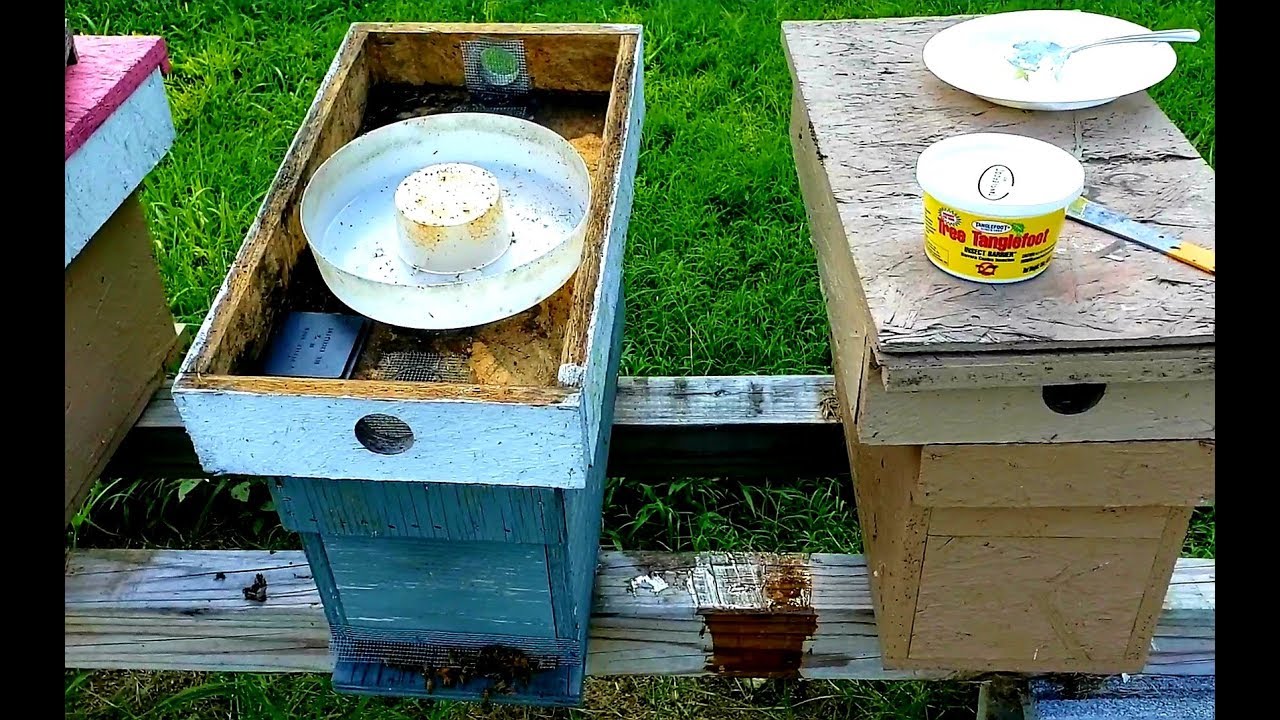
- Tanglefoot: Apply sticky substances like Tanglefoot around the base of the hive. This will trap any crawling ants before they can enter.
3. Maintain Cleanliness
Keeping your apiary clean is crucial in preventing ant invasions.
- Regular Cleanups: Regularly check for and promptly clean up any spilled honey or food sources.
- No Food Waste: Dispose of any dead bees or hive debris properly, as they can attract ants.
4. Use Natural Deterrents
There are natural substances that can repel ants without harming your bees.
- Cinnamon and Peppermint: Sprinkling cinnamon or peppermint oil around the hive can deter ants due to their strong scents.
- Vinegar Solution: A 50/50 mix of vinegar and water can be sprayed around the hive to repel ants.
5. Monitor and Inspect Regularly
Regular checks on your hives can help you catch any early signs of ant activity.
- Visual Inspections: Look for ant trails leading to the hive and take action immediately to eliminate them.
- Trap Ants: Place ant baits around your apiary to monitor and control their population.
By adopting these strategies, you can significantly reduce the chances of ants invading your hives, ensuring a healthy environment for your bees.
Frequently Asked Questions
What attracts ants to bee hives?
Ants are drawn to the sweet smell of honey and the protein-rich pollen stored in hives.
Can ants harm my bees?
Yes, ants can harm bees by invading their hives, potentially leading to stress and disease within the colony.
How often should I inspect my hives for ants?
Regular inspections, ideally every few weeks, can help catch any ant activity early.
Are there any chemicals I should avoid near my hives?
Yes, avoid using harsh pesticides or chemicals that could harm your bees. Instead, focus on natural deterrents.
What should I do if I find ants in my hive?
If you discover ants in your hive, act quickly by removing the hive from the area and using barriers or deterrents to keep them out.
Conclusion
Keeping ants out of bee hives is an essential aspect of successful beekeeping. By understanding ant behavior and implementing practical strategies such as elevating hives, maintaining cleanliness, and using natural deterrents, you can protect your bees from these pesky invaders.
Take charge of your apiary today by applying these techniques and ensuring a safe environment for your bees.
For more insights and tips, consider exploring additional resources or joining a local beekeeping club. Let’s work together to create a thriving habitat for our buzzing friends!