

Keeping bees in your backyard can be an incredibly rewarding endeavor, but it also comes with significant responsibilities and considerations. If you’re asking yourself, “Can I keep bees in my backyard?” you’re not alone.
Many people are drawn to the idea of becoming backyard beekeepers, intrigued by the idea of nurturing these industrious pollinators and reaping the benefits of fresh honey.
In this guide, we will explore everything you need to know about backyard beekeeping, including the benefits, requirements, and tips to help you thrive as a beekeeper.
To get started, let’s delve into the essential aspects of maintaining a healthy and productive bee colony right in your own backyard.
Benefits Of Keeping Bees In Your Backyard
Keeping bees offers a multitude of advantages beyond just harvesting honey. Here are some key benefits:
Pollination
Bees are natural pollinators and can significantly improve the health and yield of your garden. By attracting bees, you increase the chances of your plants bearing fruit.
Honey Production
One of the most delightful rewards of beekeeping is harvesting your own honey. Fresh, raw honey is not only delicious but also packed with health benefits.
Connection to Nature
Caring for bees fosters a deeper connection to the environment and promotes biodiversity. It’s a fulfilling hobby that encourages sustainable living.
Education and Community
Beekeeping can be a fantastic way to connect with your community. You can share your experiences and knowledge with neighbors, friends, and local gardening clubs.

Legal Considerations for Backyard Beekeeping
Before bringing bees into your backyard, it’s essential to understand the legal implications. Different regions and municipalities have varying regulations regarding beekeeping. Here are some steps to ensure you’re compliant:
Check Local Laws
Research your city or county’s laws on beekeeping. Some areas may require a permit or have specific zoning regulations.
Notify Neighbors
It’s courteous to inform your neighbors about your plans. This fosters goodwill and can minimize potential conflicts.
Consider Liability Insurance
Although not always required, having insurance can provide peace of mind and protect you from potential legal issues related to bee stings.

Essential Equipment for Beekeeping
Getting started with beekeeping requires some essential equipment. Here’s a list of items you’ll need:
Beehive
The most crucial component. Beginners often start with a Langstroth hive, which is modular and easy to manage.
Protective Gear
A beekeeping suit, gloves, and a veil to protect yourself from stings.
Tools
A smoker to calm the bees, a hive tool for inspections, and a bee brush to gently remove bees from frames.
Feeding Supplies
If your bees need a boost, you may need to provide sugar syrup or pollen patties until they establish themselves.
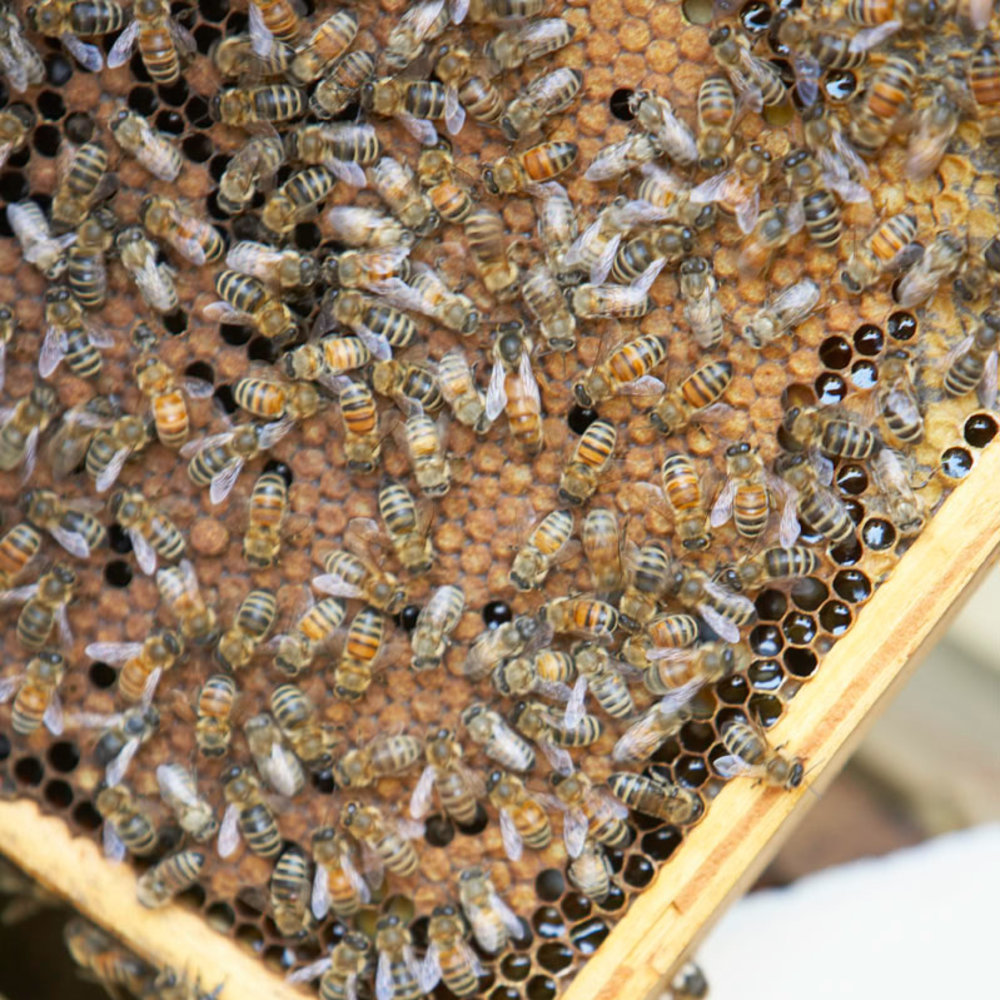
Best Practices For Backyard Beekeeping
Once you’ve set up your hive and gathered your equipment, it’s time to focus on managing your bees effectively. Here are some best practices:
Regular Inspections
Inspect your hive every 7-10 days during the active season. Look for signs of disease, pests, and overall colony health.
Maintain Cleanliness
Keep the hive area clean and free from debris. Regularly check for and remove any dead bees or waste.
Monitor For Pests
Be vigilant against pests such as Varroa mites and wax moths. Early detection can save your colony.
Harvest Responsibly
When it’s time to collect honey, ensure you leave enough for the bees to sustain themselves through winter.
Frequently Asked Questions Of Can I Keep Bees In My Backyard
Can I keep bees in my backyard if I have a small space?
Yes, you can keep bees in a small space as long as you have enough room for a suitable hive and comply with local regulations. Consider a “nuc” (nucleus colony) or vertical hive designs that take up less space.
What is the best time to start beekeeping?
The best time to start beekeeping is in the spring when flowers bloom, providing bees with ample forage. This allows them to establish a strong colony before winter.
Are bees dangerous to my pets or children?
While bees can sting if they feel threatened, they are generally non-aggressive. Teaching children and pets to respect the bees’ space can prevent incidents.
Do I need to register my bees?
Registration requirements vary by location. Some areas require beekeepers to register their hives with local agricultural departments, while others do not.
How much honey can I expect from my backyard hive?
The amount of honey you can harvest varies based on factors like hive management, weather, and local flora. A healthy hive can produce anywhere from 30 to 60 pounds of honey in a good season.
Conclusion
Keeping bees in your backyard can be a fulfilling journey that benefits both you and the environment. From pollinating your garden to enjoying the sweet reward of honey, the experience is both enriching and educational.
As you embark on this adventure, remember to stay informed about the needs of your bees, adhere to local regulations, and engage with the beekeeping community for support and advice.
If you’re ready to take the plunge into beekeeping, gather your resources, connect with local beekeepers, and start your journey today! Don’t hesitate to explore additional resources, subscribe for updates, or leave a comment with your thoughts or questions.