

Beekeeping, also known as apiculture, is a fascinating blend of art and science that plays a crucial role in our ecosystem.
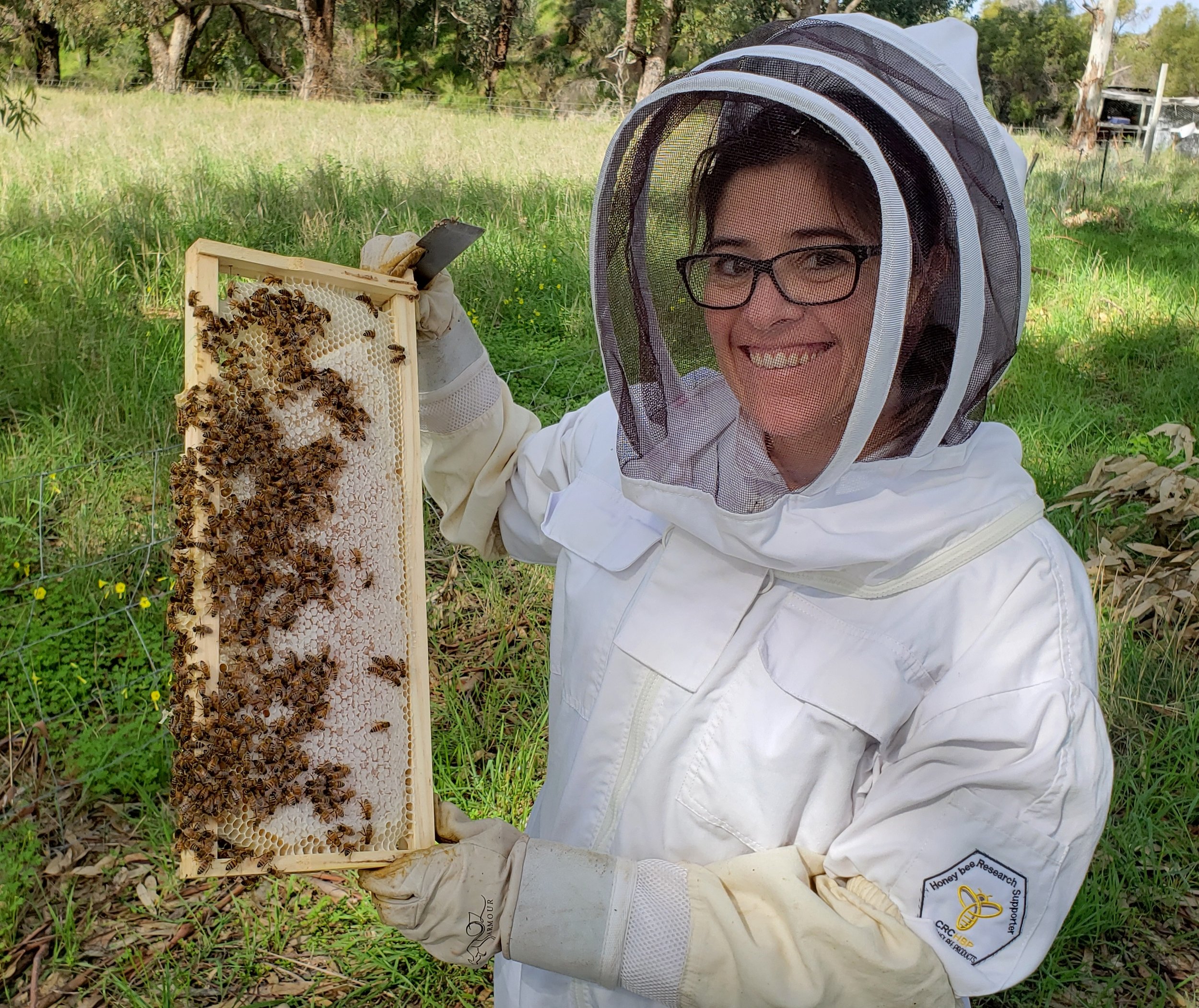
A beekeeper, or apiarist, is someone who maintains hives of bees, usually to produce honey, beeswax, and other bee-related products, or more importantly, to support the vital pollination services that bees provide.
As enthusiastic advocates for these remarkable insects, beekeepers work tirelessly to ensure the health and productivity of their bees, all while nurturing a deep connection to nature.
This article will explore what it means to be a beekeeper, the responsibilities involved, and the immense rewards this unique vocation offers.
Understanding The Role Of A Bee Keeper
Being a beekeeper is not just about harvesting honey; it’s about understanding the complex life of bees and their needs.
Here are several core responsibilities and aspects of this rewarding role:
- Hive Management: A beekeeper is responsible for the overall management of bee colonies. This includes regularly inspecting hives to check for signs of disease, pests, or other threats.
- Harvesting Honey: Knowing the right time to harvest honey is crucial. Beekeepers must ensure that enough honey remains in the hive for the bees’ sustenance through winter.
- Breeding and Pollination: Many beekeepers also engage in breeding practices to develop resilient bee strains. They also provide pollination services to local farmers, enhancing crop yields.
- Education and Advocacy: A good beekeeper is often an educator, sharing knowledge about the importance of bees and sustainable practices with the community.
- Environmental Stewardship: Beekeepers often engage in efforts to protect the environment and promote biodiversity, recognizing that a healthy ecosystem is vital for bee survival.

The Skills Every Bee Keeper Should Cultivate
Successful beekeeping requires a combination of practical skills and knowledge. Here are some essential skills that aspiring beekeepers should develop:
- Observation Skills: Being able to identify signs of bee health, such as behavior changes and hive conditions, is critical.
- Beekeeping Equipment Knowledge: Familiarity with necessary tools like hive tools, protective gear, and honey extractors is essential for efficiency and safety.
- Problem-Solving Abilities: Challenges like pests or diseases can arise, and a beekeeper must be able to troubleshoot effectively.
- Patience and Persistence: Bees can be unpredictable, and beekeeping often involves trial and error. Patience is key.
- Community Engagement: Networking with other local beekeepers can provide invaluable support and resources.
The Rewards of Beekeeping
While beekeeping can be challenging, it provides a multitude of rewards. Here are some of the most significant benefits:
- Satisfaction of Sustainability: Contributing to the ecosystem by supporting bee populations and promoting biodiversity is fulfilling.
- Delicious Honey: The joy of harvesting your own honey, with unique flavors based on local flora, is unmatched.
- Connection to Nature: Beekeeping fosters a deeper appreciation for nature and the environment.
- Community and Camaraderie: Many beekeepers find a sense of community among fellow enthusiasts, sharing experiences and tips.
- Educational Opportunities: Beekeeping allows for continuous learning, whether through workshops, books, or simply observing your bees.

Frequently Asked Questions About What Is A Bee Keeper
What qualifications do you need to become a bee keeper?
While formal qualifications aren’t necessary, a strong desire to learn about bees and their needs is essential. Many beekeepers start with basic courses or workshops.
How much time does beekeeping require?
Beekeeping requires regular, but not necessarily daily, attention. During peak seasons, expect to spend more time, especially during inspections and honey harvesting.
Is beekeeping safe?
Beekeeping can be safe with proper precautions, including wearing protective gear and understanding bee behavior. Most stings can be managed with basic first-aid.
What challenges do beekeepers face?
Common challenges include pests like Varroa mites, diseases, and environmental factors such as pesticide exposure or climate change.
Can anyone become a bee keeper?
Yes! Anyone with a passion for nature and a willingness to learn can become a beekeeper. It’s a rewarding pursuit for individuals of all backgrounds.
The Sweet Conclusion
Exploring the world of beekeeping opens up a gateway to understanding nature’s delicate balance and the vital role bees play in our environment.
As you embark on this exciting journey, remember that every beekeeper starts somewhere and that continuous learning and adaptation are part of the adventure.
So, if you feel inspired to dive into the world of bees, take the leap connect with local beekeeping clubs, attend workshops, and start your beekeeping journey today. The rewards of sweet honey, community, and environmental stewardship await you.