

I’ve kept bees through hot summers, wet springs, and a few tough winters. Here is the honest truth: how hard is it to keep bees? Hard enough to demand weekly care, steady learning, and a calm mindset.
But it is also the most rewarding backyard project I’ve ever tried. In this guide, I’ll blend field experience with proven practices so you can gauge the real effort, risks, and joy of beekeeping and decide if it fits your life.
What Makes Beekeeping Hard? The Core Challenges
Beekeeping looks simple from the outside. You set up a box, add bees, and wait for honey. In practice, bees are livestock, and livestock need hands-on care. The hard part is learning to read the colony and act at the right time.
The main challenge is health management. Varroa mites are the top threat in North America and many regions. Extension data and industry surveys show mites drive most colony losses.
You need to monitor, treat, and rotate strategies to avoid resistance. Weather and forage add more complexity. A wet spring can delay nectar flows. A drought can starve a hive.
Your bees will respond to local blooms, so timing inspections and feed is key. When you line up hive health with local seasons, the craft feels less hard and more like a rhythm.
Time, Cost, And Learning Curve
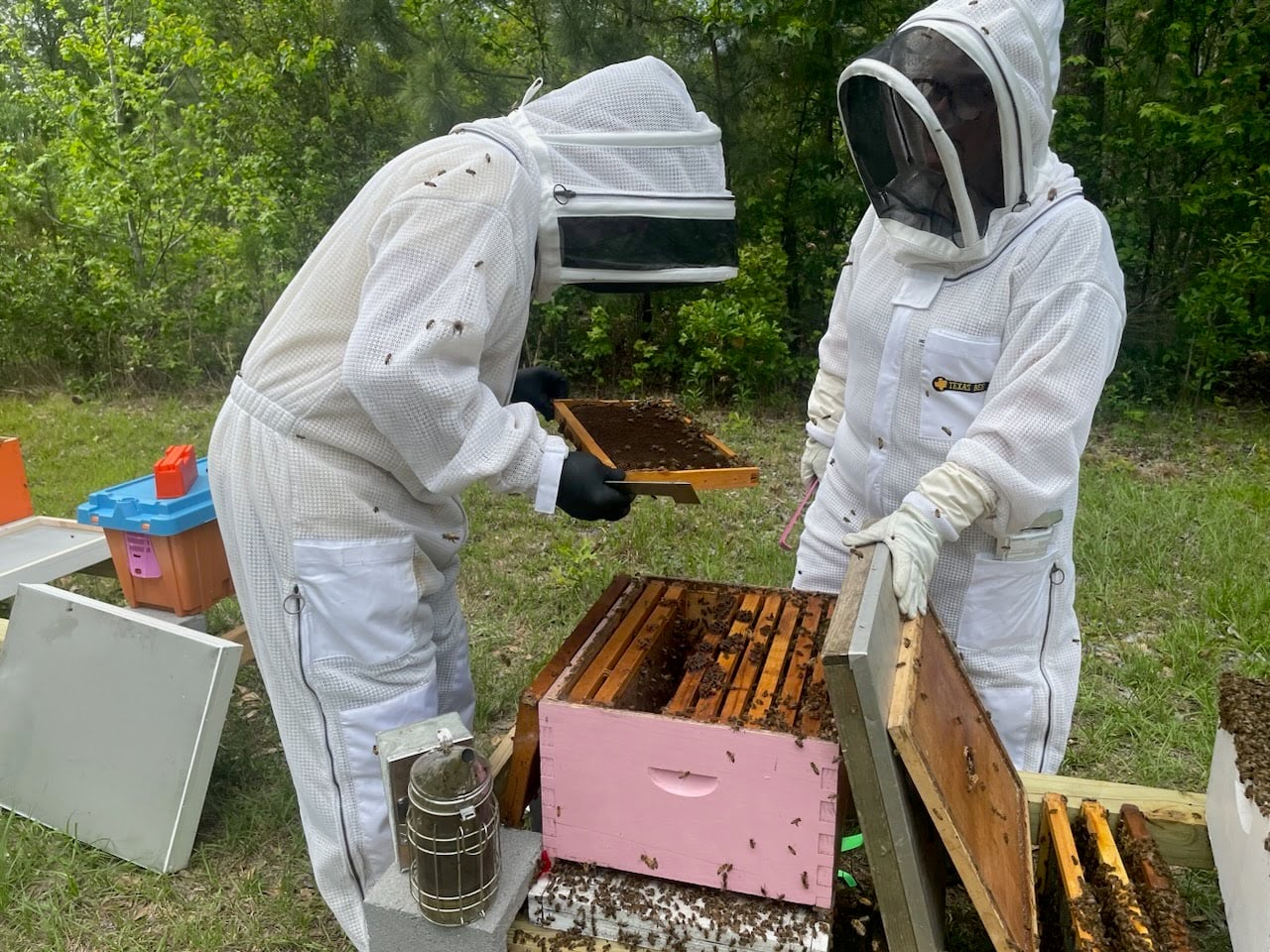
Time commitment is real. Expect one to two hours per week per hive during spring and summer. Add more time during swarming season and harvest. In winter, checks are shorter, but planning and reading fill the gap.
Costs vary by region. A basic first-year setup often ranges from $300 to $800 per hive. This includes a starter kit, protective gear, tools, and a nucleus colony or package. Ongoing costs include mite treatments, feed, frames, and replacement queens.
The learning curve is steady, not steep. You will learn more in your first full season than from any book. Still, reading guides, taking a local class, and joining a club will cut mistakes. Extension programs and beekeeping associations are reliable sources of practical guidance.
Seasonal Workload: What The Year Actually Looks Like
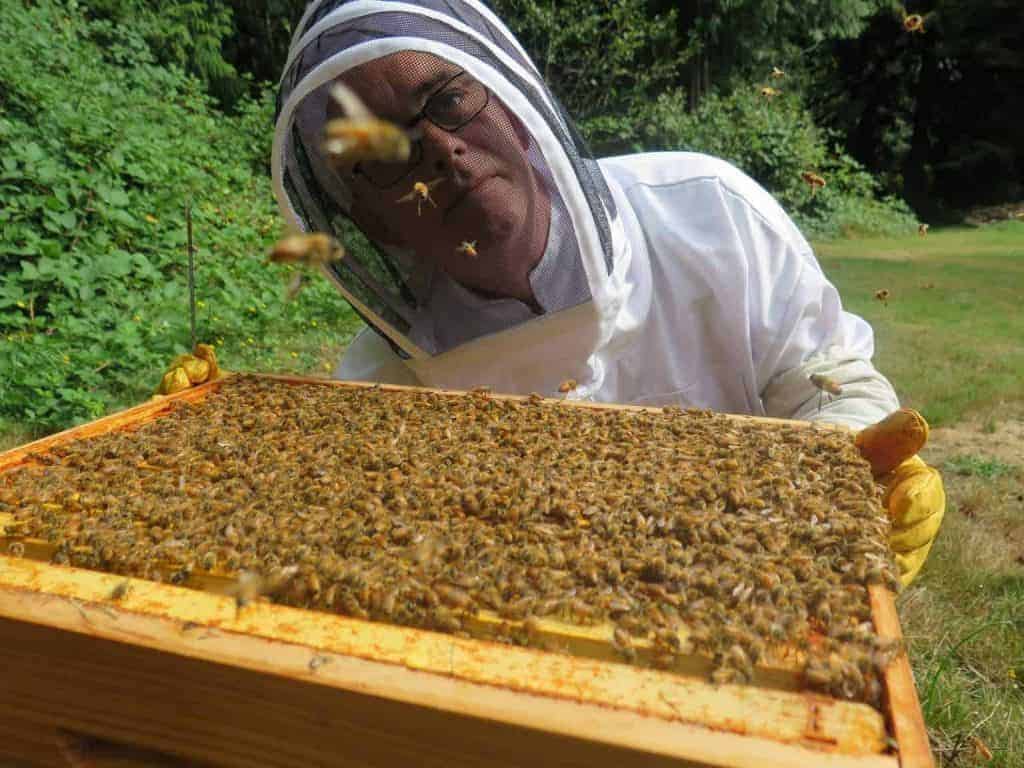
Spring is busy. You build population, add boxes, and watch for swarms. You test for mites and apply treatments when needed. You may feed light colonies to help them build comb.
Summer is about space and ventilation. You add supers as nectar flows peak. You watch for crowded frames and queen health. You harvest when capping is complete and moisture is right.
Fall is prep mode. You reduce space, treat for mites at the right threshold, and ensure enough stores. You protect entrances from robbing and pests. Winter is quiet, but you still check weight and ventilation to prevent moisture stress.
Risks, Safety, And Legal Considerations
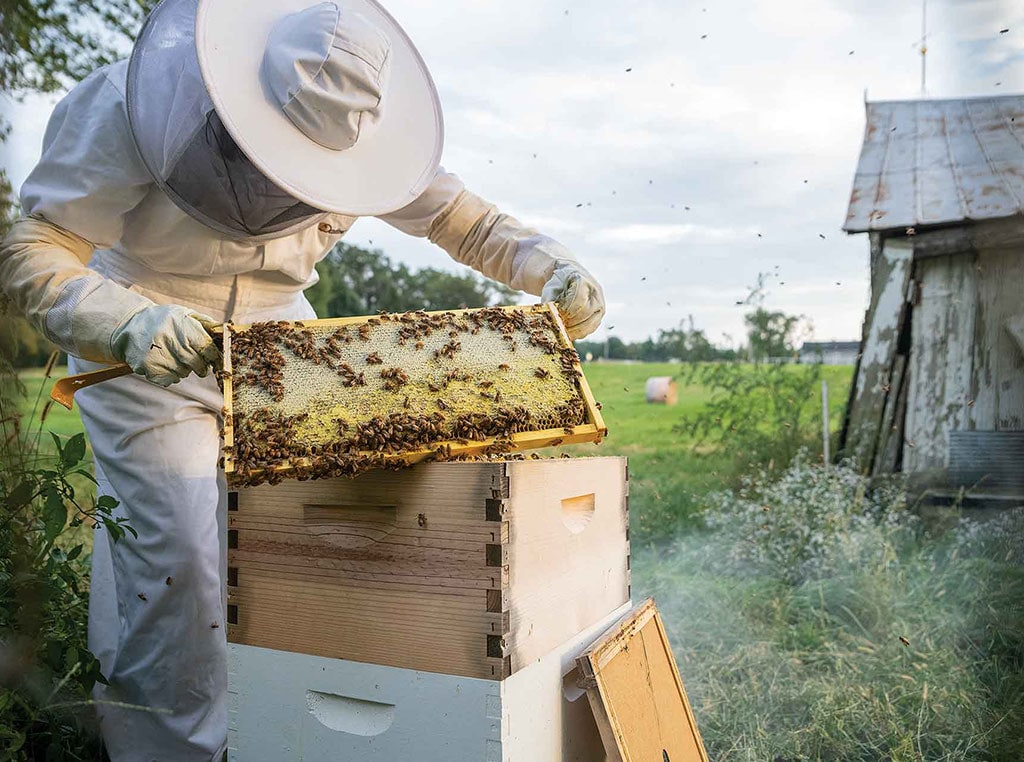
Stings happen. With calm handling and protective gear, I average a few stings a season. If you or a family member has a severe allergy, talk to a doctor before you start. Keep an epinephrine auto-injector if advised.
Legal rules matter. Some cities need registration or have limits on hive numbers and set-backs. Check local ordinances and state agriculture rules. Good neighbor relations help too. Share your plan, place hives away from high-traffic spots, and provide a water source.
Pests and diseases demand a plan. Varroa mites, small hive beetles, wax moths, and foulbrood are the big names. Use tested methods and follow label directions for treatments. Industry data points to integrated pest management as the safest long-term path.

Equipment And Setup: What You Really Need?
Start simple. One or two hives is ideal for learning. Two hives let you compare strength and move resources when one falls behind. Woodenware and standard frame sizes make sourcing parts easier.
Core gear I use:
- Hive bodies and frames to match your climate and strength level.
- Bottom board, inner cover, and telescoping cover for weather control.
- Smoker and hive tool for calm, efficient inspections.
- Veil, jacket or suit, and gloves for safety and confidence.
- Feeder and a reliable scale or hefting routine to monitor stores.
Add a queen excluder and extra supers once you understand your flow. Keep spare frames and a nucleus box on hand. They save the day during surprise swarms or splits.

Management That Makes Beekeeping Easier
Routine beats chaos. I use a simple checklist for each visit: queen status, brood pattern, food, space, mites. Notes help you catch trends before they become problems. Five-minute notes will save you hours later.
Use integrated pest management. Test for mites with sugar roll or alcohol wash. Treat based on thresholds, rotate products, and time treatments to your seasons. Follow label instructions and keep records.
Think like a bee. Provide water near the hives. Face entrances away from walkways. Add shade in hot climates and windbreaks in cold ones. When you set the stage well, the colony does the heavy lifting.
Lessons I Learned The Hard Way
I lost my first hive to mites because I “eyeballed it” and skipped testing. Now I test every month in season. Data beats guesswork. Losses dropped, and honey yields improved the next year.
I once added supers too late and sparked a swarm. Since then, I check space early in the spring flow. Timely supering keeps the queen laying and the bees working.
I used to over-smoke and rush. Calm, slow movements work best. I light the smoker right, give a few cool puffs, and wait a moment. The bees settle, I breathe, and inspections go smoother.
Is Beekeeping Right For You? A Quick Self-Check
Ask yourself three questions:
- Can you commit weekly time in spring and summer, plus learning time year-round?
- Are you comfortable managing livestock with real health risks and legal rules?
- Do you have space, supportive neighbors, and a backup plan for travel?
If you answered yes, you can learn the rest. It is hard work, but it is also calm, sweet work. The reward is more than honey. It is a window into a living system that teaches patience and care.
Frequently Asked Questions Of How Hard Is It To Keep Bees
How much time does beekeeping take each week?
Plan one to two hours per hive per week in spring and summer. Add time during swarming and harvest. In winter, checks are shorter, but planning still matters.
What does it cost to start beekeeping?
A basic first-year setup often runs $300 to $800 per hive. This includes gear, woodenware, and bees. Ongoing costs include feed, treatments, and frames.
Will I get honey in the first year?
Maybe, but do not count on it. Many new keepers focus the first year on building strong colonies. Typical yields come in year two when conditions align.
How dangerous are stings?
Most stings are mild and fade in a day or two. Wear gear and work calm to reduce risk. If you have a known allergy, get medical advice before starting.
How many hives should a beginner start with?
Start with two if you can. You can compare progress and move brood or frames to help a weaker hive. If budget or space is tight, one hive is still fine.
Do I need permission to keep bees?
Many places allow backyard hives with rules. Check local ordinances and state registration. Good neighbor communication is part of best practice.
What is the biggest challenge for beginners?
Managing varroa mites. Learn to test, treat on time, and track results. This one skill prevents many losses.
Conclusion
So, how hard is it to keep bees? Hard enough to ask for your time, your patience, and a plan.
Manage mites, watch the seasons, and keep good notes, and you will do well. The craft will give back in honey, calm moments, and a new way to see your yard.
If you feel ready, start small and start right. Join a local club, take a class, and set up two hives. Come back with questions, share your progress, and subscribe for more field-tested tips.