

I’ve worked around homes, gardens, and small farms for years. I’ve handled bee questions every spring. Here’s the short answer to do moth balls keep bees away. Mothballs are not a safe or reliable way to deter bees.
They are made for closed containers, not the open air. They can be illegal to use outdoors, and they pose health risks. In this guide, I’ll break down the science, safety rules, and better options that actually work while protecting people and pollinators.
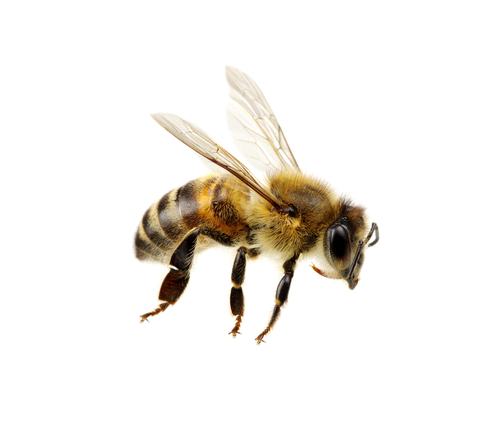
What Are Mothballs, Really?
Mothballs are solid pesticides that slowly turn into gas. Most are made from naphthalene or paradichlorobenzene. They are designed to be used in sealed spaces to kill moths and their larvae.
Outdoors, the gas quickly disperses. That makes mothballs weak at repelling anything in open air. It also spreads toxic fumes where kids, pets, and wildlife can breathe them.
Labels matter. The law says you must use pesticides only as directed on the label. Outdoor use to repel bees is not on the label.
Do Moth Balls Keep Bees Away? The Science and Truth
Bees navigate with scent, sight, and social signals. A strong odor may confuse them for a moment. But it won’t solve the root issue if they have found a good home.
I’ve seen homeowners toss mothballs into siding gaps. The swarm moved a few feet, then returned. The smell faded fast in the breeze.
Research on naphthalene outdoors shows low persistence in open air. That means little staying power for repelling bees. Plus, honey bees and native bees are valuable pollinators. Harm from toxic fumes can be worse than the problem you are trying to fix.
Bottom line. Mothballs are not a proven bee deterrent. They are unreliable outside and risky to use near people and pets.

Safety and Legal Considerations You Can’t Ignore
Mothballs can cause headaches, nausea, and breathing issues. In high or repeated exposure, they can harm blood cells and the liver. Pets can be poisoned if they chew or inhale them. Children are at higher risk due to their size and curious nature.
There is also a legal angle. Using a product off-label is usually illegal. Most mothball labels limit use to closed containers. Using them to control bees in walls, attics, or gardens can violate pesticide rules.
If a neighbor smells it or a pet gets sick, you may face liability. The smart path is simple. Do not use mothballs outdoors for bees. Choose safer, legal options instead.

Bee Behavior 101: Why They Show Up?
Understanding bees helps you solve the problem. Honey bees scout cavities in spring. They love dry, dark spaces about the size of a box or hollow log. Gaps in siding, soffits, and sheds are perfect.
Carpenter bees are different. They drill into untreated, soft wood to nest. They return to the same spots each year. Strong smells may startle them. But they will come back if the wood is still inviting.
Identifying the bee type matters. Honey bees live in colonies. Carpenter bees are mostly solitary. Different bees need different solutions.
Practical, Bee-Safe Alternatives That Work
You can deter bees without harsh chemicals. These methods are simple and effective.
- Seal and screen. Close gaps in eaves, soffits, and siding with caulk, screen, and hardware cloth.
- Paint or finish raw wood. Carpenter bees prefer bare, soft wood. A good coat of paint or varnish makes it less appealing.
- Use scents the right way. Citrus oil, peppermint oil, and almond oil can deter carpenter bees on contact points. Reapply weekly in spring.
- Light and noise. Bright light in a dark cavity can encourage scout bees to move on. Use it for a day or two during swarm season.
- Remove attractants. Fix leaks and keep trash sealed. Sweet smells and water draw bees.
These steps reduce nesting chances. They are safe for families and pollinators.
Humane Options for Bees Already On-Site
If you have honey bees forming a cluster outside, give it a day. Many swarms move on within 24–48 hours. If they do not, call a local beekeeper or bee removal pro. Many will relocate the colony alive.
If bees have entered a wall, do not seal the hole right away. You could trap them and push them deeper into the house. A pro can open the cavity, remove the bees and comb, and seal the entry after cleanup. This avoids future infestations and odors from leftover honey.
For carpenter bees, use wood repair, plugging old holes with wood filler, and finishing the surface. Add traps designed for carpenter bees near problem areas. Place them away from doors and windows.
My Field Notes: What Worked, What Didn’t
Years ago, a client tried mothballs in a shed where carpenter bees drilled. The smell was strong for a day. The bees stayed. We fixed it by filling holes, sanding, and painting with a thick exterior coat. We also added a cedar trim board as a sacrificial target and hung a carpenter bee trap a few feet away. Activity dropped to near zero.
Another time, a small honey bee swarm landed on a fence post. The owner was worried. We waited a day. The swarm left on its own. Patience saved time and money.
The lesson is clear. Quick fixes like mothballs disappoint. Simple structural steps and humane removal work better and keep everyone safe.
Mistakes To Avoid
Avoid these common pitfalls to save time and stress.
- Stuffing mothballs into vents or walls. It’s unsafe and often illegal.
- Sealing bees inside a wall. This can force them into living spaces.
- Spraying random chemicals. Many products are not labeled for bees or indoor voids.
- Ignoring carpenter bee holes. They return and expand tunnels every year.
- Skipping cleanup after removal. Leftover honey and wax attract pests and cause odors.
Follow label directions, or hire a licensed pro when in doubt.
When to Call A Professional?
Call a pro if bees are in a wall or ceiling, if anyone in the home has allergies, or if you see heavy traffic at one entry point. A licensed removal expert or beekeeper can identify the species, remove them safely, and seal the structure.
If you rent, tell your landlord. If you are in a condo or HOA, check community rules before doing any work. Safety and compliance matter.
Frequently Asked Questions Of Do Moth Balls Keep Bees Away
Do moth balls keep bees away for good?
No. Mothballs are weak outdoors and lose their smell fast. They are not a reliable bee deterrent and can create health and legal risks.
Are mothballs safe to use around pets and kids?
No. Pets and children can be harmed by inhaling fumes or swallowing mothballs. Keep them out of living areas and do not use them outdoors.
What smell do bees dislike that is safer than mothballs?
Citrus, peppermint, and almond oil can deter bees at entry points, especially carpenter bees. Reapply often, as scents fade outside.
Will a bee swarm leave on its own?
Often yes. Many swarms depart within a day or two. If they move into a structure, call a beekeeper or removal pro to relocate them.
How do I stop carpenter bees without harsh chemicals?
Fill holes, sand the area, and paint or varnish the wood. Add carpenter bee traps nearby. Keep up with maintenance each spring.
Conclusion
Mothballs do not solve bee problems and can put your family and pets at risk. They are not made for outdoor bee control, and using them that way can be illegal.
Choose safe, proven steps instead. Seal gaps, finish wood, use gentle scents where helpful, and call a pro for established colonies.
You’ve got this. Start with one action today, like sealing a gap or painting exposed wood. If you’re facing a nest, reach out to a local beekeeper for humane help. Want more guides like this? Subscribe, share your story, or leave a question in the comments below.