

I’ve spent years setting up hummingbird gardens and tuning feeders in bee-heavy yards. The good news is you can enjoy daily hummingbird visits without turning your patio into a buzzing hangout.
In this guide, I’ll show you how to keep bees away from hummingbird feeders using proven tactics that protect pollinators and keep nectar where it belongs. You’ll get simple fixes, expert-backed strategies, and field-tested tips that work in all seasons.
:strip_icc()/How-To-Keep-Bees-Away-from-Hummingbird-Feeders-8Gm7gX0iK7k8IV9Ab32frB-d9c3b738b89d45c792c1812e39a72a75.jpg)
Why Bees Love Hummingbird Feeders?
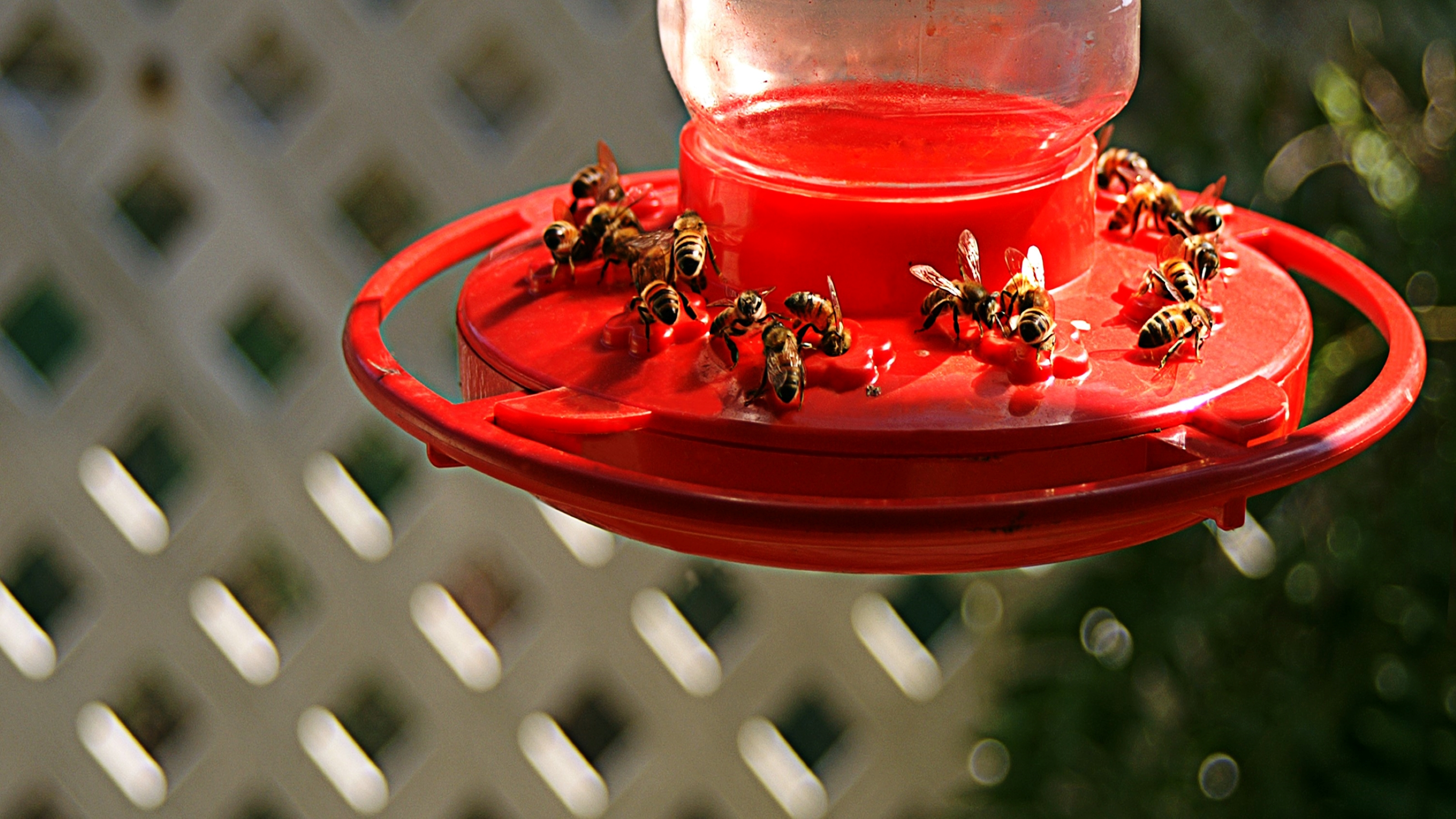
Bees and wasps are not the villains here. They’re smart foragers. Your feeder smells like a sugar jackpot, and bright colors act like a neon sign. When bees find easy sugar, they recruit more bees.
Key reasons bees show up:
- Scent of sugar: Overripe nectar and spills build a sweet smell plume.
- Easy access: Leaky ports give bees a quick sip.
- Color cues: Yellow parts and bright glints can draw insects.
- Drought and low blooms: Fewer flowers push bees to feeders.
Understanding this helps you block what attracts them without harming them or the hummingbirds.

Fast Fixes You Can Try Today
If bees are swarming right now, start with quick wins. I use these when calls come in during peak bloom turnarounds.
- Move the feeder a few feet: Shift it by 5 to 10 feet. Bees lock onto a location. Hummingbirds will find it again fast.
- Wipe and rinse daily: Clean ports and the base with warm water. Sticky film is a bee magnet.
- Tighten everything: Check for leaks. If you see drips, reseat the base and replace worn gaskets.
- Reduce yellow: Remove yellow flowers or bee-yellow accents if possible. Use red-only feeders.
- Use fresh nectar: Mix 1 part white granulated sugar to 4 parts water. No honey, no brown sugar, no additives. Replace every 1 to 3 days.
These small changes often cut bee visits by half in 24 to 48 hours.

Feeder Design, Nectar, And Placement
The right feeder stops most bee problems before they start. I learned this after swapping dozens of models in a single season.
Choose bee-resistant designs:
- Saucer-style feeders: Nectar sits below the ports, out of reach for most bees.
- Nectar guards: Built-in guards or add-on tips reduce insect access.
- Smooth, easy-clean parts: Fewer seams mean fewer leaks.
Nectar tips that help:
- Stick to 1:4 sugar to water. Sweeter mixes invite more bees and wasps.
- Keep nectar below the port level. Overfilling floods ports and draws insects.
- Change often. In hot weather, replace daily. In cooler temps, every 2 to 3 days.
Placement best practices:
- Hang in shade or dappled light. Nectar lasts longer and smells less intense.
- Keep away from outdoor dining areas, trash bins, and compost.
- Space feeders apart. If you run multiples, separate them to reduce crowding and insect pressure.
Safe Bee Deterrents That Work
You can steer bees away without harming them. These methods are gentle, effective, and hummingbird-safe when used correctly.
- Built-in moats: Some feeders include ant moats. Fill with plain water. While designed for ants, a water barrier also discourages crawling insects.
- Decoy feeders for bees: Place a small dish with a stronger sugar mix 10 to 20 feet away, in full sun. Once bees shift, slowly move the decoy farther from your patio and reduce sweetness until they transition to flowers.
- Essential oil barriers: Lightly apply a tiny amount of food-safe peppermint oil to the hanger or pole, not on ports or nectar. Bees dislike the scent. Reapply sparingly every few days.
- Bee-friendly plantings: Grow nectar-rich flowers away from your feeders. When blooms are abundant elsewhere, bees ignore your setup.
These steps nudge bees toward better food sources and keep the peace at your feeders.
What Not To Do?
Some common tactics backfire or pose risks to wildlife. I’ve tested them, and here’s what to avoid.
- No pesticides: Sprays can harm bees, butterflies, and hummingbirds. Drift is real.
- No petroleum jelly or oils on ports: They can foul feathers and spread to birds’ bills.
- No hot pepper in nectar: Capsaicin can irritate birds and does not reliably deter insects.
- No honey or artificial sweeteners: Honey ferments fast and can harbor spores harmful to birds. Artificial sweeteners lack calories birds need.
- Do not overfill: Flooded ports leak and invite insects.
Stick to clean, mechanical solutions instead.
My Field-Tested Routine
Here’s the simple plan I use for clients when bees show up mid-season.
- Day 1: Deep clean the feeder with hot water. Check seals. Refill with fresh 1:4 nectar. Move the feeder 6 feet.
- Day 2: Wipe ports and base. Add or adjust nectar guards. Hang a decoy dish in sun, sweeter mix, far away.
- Day 3 to 5: Shift the decoy 5 feet farther every day while reducing sweetness. Keep wiping the main feeder daily.
- Week 2: Swap to a saucer-style feeder if bees persist. Remove yellow accents.
- Ongoing: Change nectar on a schedule and keep the area dry and crumb-free.
This routine usually resolves heavy bee traffic within a week.
Seasonal Tips And Troubleshooting
Bee pressure changes with weather and bloom cycles. Adjust your approach with the season.
Spring:
- Start with clean gear. Early-season leaks train insects.
- Plant early bloomers to give bees choices.
Summer heat:
- Change nectar daily. Heat speeds fermentation and scent spread.
- Add shade during peak sun. Cooler nectar is less aromatic.
Late summer to fall:
- Expect more wasps. Use saucer feeders and firm nectar guards.
- Run two feeders far apart to spread bird traffic and reduce spills.
If bees still swarm:
- Inspect for micro-leaks. Even tiny drips draw crowds.
- Try a different model. Not all “bee-proof” claims meet real-world tests.
- Pause feeding for 48 hours if needed. Remove the feeder, clean the area, then rehang in a new spot. Hummingbirds will return quickly.
Evidence And Expert Notes
What works best aligns with basic pollinator behavior:
- Bees prefer exposed, high-concentration sugars and recruit to stable sources.
- Shade reduces nectar odor spread and slows fermentation.
- Saucer feeders keep nectar below reach, and tight seals prevent scent trails.
- A consistent 1:4 sugar mix supports hummingbird energy needs without over-attracting insects.
- Offering alternative blooms or decoy sugar pulls bees away from your main feeder site.
These points match field observations and the guidance commonly shared by ornithology educators and extension specialists.
Frequently Asked Questions
Do bee guards really work on hummingbird feeders?
Yes, when fitted well. Bee guards reduce direct access to nectar. They are most effective on saucer-style feeders and when you keep nectar below the ports and prevent leaks.
Will moving my feeder confuse hummingbirds?
Only for a moment. Hummingbirds scan their territory all day. A small move of a few feet will not stop them from finding it again, but it often breaks bees’ location memory.
Is red dye in nectar helpful for keeping bees away?
No. Avoid dyes. They do not deter bees and are not needed for hummingbirds. Use clear, homemade nectar made from white sugar and water.
Can I use peppermint oil on the feeder?
Use it sparingly and never on ports or nectar. A tiny amount on the hanger or pole can help. Reapply lightly every few days. Overuse can bother birds.
What sugar ratio is best to avoid bees but feed hummingbirds?
Use 1 part sugar to 4 parts water. It meets hummingbirds’ needs and doesn’t over-sweeten the scent plume that attracts bees and wasps.
Are wasps and bees drawn to the same things?
Mostly yes. Both seek easy sugar. Wasps also chase protein, so keep outdoor food and trash sealed and far from feeders.
Wrap-Up And Next Steps
You can keep bees away from hummingbird feeders with a simple, gentle system: tight, bee-resistant feeders, clean ports, fresh 1:4 nectar, strategic shade, and smart placement.
Add nectar guards, offer decoy sugar or flowers away from your patio, and avoid pesticides or oily coatings. With a few steady habits, you’ll host a calm, hummingbird-first feeder all season.
Try one fast fix today, then build the full routine this week. Want more tips, plant lists, and feeder reviews? Subscribe, share your results in the comments, and keep the nectar flowing for the birds you love.