

If you’re seeing round holes in rails or eaves, you’re likely dealing with carpenter bees. I’ve helped many homeowners solve this, and I’ve done it at my own place too.
Here’s the short answer on how to keep carpenter bees away: protect exposed wood, remove attractants, use safe repellents, seal old galleries at the right time, and act before spring nesting. Stick with me and you’ll have a clear, step-by-step plan that actually works.
How To Identify Carpenter Bees Fast?
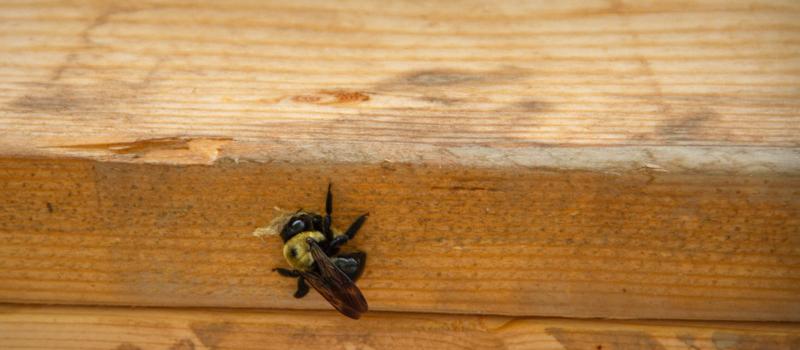
Carpenter bees look like bumble bees, but with a shiny black abdomen. Bumble bees have fuzzy yellow bands across the belly. Carpenter bees drill clean, round entry holes about 1/2 inch wide, often under rails, fascia, and deck joists.
You’ll see coarse sawdust on the ground or stuck to the wood. Males hover and “guard” holes. They look bold but cannot sting. Females can sting, but they rarely do unless handled.
Quick checks:
- Look for smooth, round holes and fresh sawdust. This is a key sign.
- Watch hovering bees near wood in warm daylight in spring.
- Listen for a faint rasping sound in quiet areas.
:max_bytes(150000):strip_icc()/GettyImages-1152322024-f9449b3d5b3d4b7baf1c7581978322ab.jpg)
Why Carpenter Bees Choose Your Wood?
Carpenter bees prefer soft, weathered wood with direct sun and some shelter from wind. Unpainted or lightly stained pine, cedar, and redwood are common targets. Eaves, porch ceilings, fence rails, pergolas, and deck undersides are hot spots.
Here’s what attracts them:
- Bare, cracked, or sun-damaged wood fibers
- Existing galleries from prior years
- South and east exposures that warm up early
- Untreated end grain and joints
They don’t eat wood. They tunnel to nest. Females reuse and expand old galleries year after year. That is why sealing old holes matters so much.
Preventive Maintenance That Actually Works
I’ve seen prevention cut activity by 80–100% within one season. It’s simple, low cost, and bee-friendly.
Priority steps:
- Paint exposed wood. Paint is better than stain. Use two coats of a high-quality exterior primer plus paint. Repaint every 5–7 years or sooner on sunny sides.
- Seal the end grain. Brush on exterior-grade sealer on cut ends of rafters, railing ends, and joints.
- Replace worst boards. Swap badly weathered boards with pressure-treated lumber or composites where you can.
- Add metal or PVC caps. Cap fence and railing tops. Thin flashing on fascia edges also helps.
- Reduce sun exposure. Add shade cloth under pergola tops or soffit vents where practical.
My field tip: Prioritize the top two sunny sides of the house first. That’s where most activity starts in spring.
Natural Repellents You Can Use Safely
Some scents make carpenter bees move on without harming them. I use these in spring before peak nesting.
Good options:
- Citrus oil spray. Simmer lemon or orange peels in water for 10–15 minutes. Cool, strain, and spray holes, rails, and underside boards. Store-bought citrus oils also work.
- Almond oil. Wipe around existing holes and likely landing spots. Reapply after rain.
- Peppermint or tea tree oil. Mix 10–15 drops in water with a few drops of dish soap as an emulsifier. Shake and spray weekly during spring.
- Borate wood treatment. Apply to bare wood before painting or sealing. It penetrates and makes wood less appealing.
How I use them:
- Start in late winter or very early spring in warm regions.
- Spray weekly on sunny days for 3–4 weeks.
- Focus on undersides and edges where bees scout.
Note: Repellents help, but they work best with painted wood and sealed holes.
Humane Control Methods And Perfect Timing
Timing is everything. Females seek nesting sites in early to mid-spring. If you break the cycle early, you’ll keep damage low.
Step-by-step plan:
- Observe first. Watch where bees hover for two warm days. Mark those spots with painter’s tape.
- Apply repellents. Spray citrus or peppermint on marked areas and around old holes.
- Install visual decoys. Hang a few brown paper “decoy nests” near eaves. They mimic occupied areas and can deter scouting.
- Seal old galleries at the right time. Wait until late summer or fall, after the new adults emerge. Then pack holes with steel wool, then cap with exterior-grade wood filler, wood plug plus glue, or paintable sealant. Sand and paint.
- Use traps only as a last resort. Trap boxes can catch bees but also remove pollinators from your area. If you use them, hang away from doors and garden blooms, and remove after the season.
What I learned the hard way:
- Don’t seal active holes in spring. You can trap bees inside and push them to tunnel deeper.
- Don’t rely on stain alone. Paint holds up better.
- Recheck the same spots next spring. Reuse your marks from last year and act early.
When To Call A Pro And Safety Notes?
Call a licensed pro when you see many holes, structural damage, or if ladders are risky for you. Pros can apply targeted treatments inside galleries and return to seal at the right time.
Safety first:
- Wear eye protection and gloves when working overhead.
- Work at dusk if activity is heavy. Bees are calmer.
- Avoid broad pesticide sprays on blooms. You can harm helpful pollinators.
- If you must dust active galleries, follow the label and local rules. Keep it localized, and seal later in the year.
Seasonal Plan And Cost-Saving Checklist
Use this quick routine to stay ahead every year.
Early spring:
- Inspect sunny sides, rails, eaves, pergola beams
- Spray citrus or peppermint weekly for 3–4 weeks
- Touch up paint on nicks and end grain
Late spring to summer:
- Keep watch for fresh sawdust
- Add more repellent on hot weeks
- Hang decoy nests if scouting continues
Late summer to fall:
- Confirm galleries are inactive
- Pack with steel wool and cap with filler or wood plugs
- Sand, prime, and paint
Winter:
- Replace worst boards
- Plan shade or caps for next season
- Stock your repellent supplies
Budget tips:
- Start with paint, end-grain sealer, and DIY citrus spray
- Cap only the worst rails this year; finish more next year
- Track hot spots so you don’t waste time spraying everywhere
Frequently Asked Questions of how to keep carpenter bees away
Do carpenter bees eat wood?
No. They chew tunnels to nest but do not eat the wood. They feed on nectar and pollen.
What size are the entry holes?
Most are about 1/2 inch wide and very round. You’ll often see sawdust below.
Will paint stop carpenter bees?
Paint is the best wood finish for prevention. It deters drilling better than stain or clear sealers.
When should I seal the holes?
Seal in late summer or fall after the new adults leave. Then paint. This avoids trapping bees and causing more tunneling.
Are traps safe for pollinators?
Traps can reduce bee numbers but may catch helpful pollinators. Use only as a last resort and remove after the active season.
Conclusion
You can keep carpenter bees away with a smart, humane plan: protect wood with paint, use natural repellents early, watch hot spots, and seal old galleries at the right time. This method preserves pollinators and saves your woodwork.
Start with one area today. Paint the sunny side, spray citrus on likely spots, and mark any holes to seal in fall. Small steps now prevent big repairs later. If this guide helped, subscribe for more home care tips or leave a comment with your questions.