

I’ve helped many homeowners solve bee problems without harming bees or breaking local laws. Here is what actually works. This guide explains how to keep bees away from house in safe, simple steps.
You will learn how to prevent swarms, block entry points, remove attractants, and when to call a pro. I’ll share field-tested tips, mistakes to avoid, and easy fixes you can do today.
Understanding Why Bees Visit Your Home
Bees do not show up by chance. They are looking for food, water, shelter, or a new nesting spot. Sweet scents, standing water, and tiny gaps in siding act like open invitations. On warm days, scout bees check your home first. If they like it, a swarm may follow.
Different bees behave in different ways. Honey bees may swarm in spring when colonies split. Carpenter bees drill into raw wood to nest. Wasps are not bees, but people often confuse them. Know the guest to choose the right fix.
Quick Wins: Steps You Can Do Today
If bees are hovering now, start with fast, safe changes. I use these same steps on service calls. They cut attractants and remove easy access.
- Close doors and windows. Use intact screens that fit tight.
- Reduce scents. Move sweet drinks, ripe fruit, and trash indoors.
- Cover standing water. Flip buckets and seal rain barrels.
- Switch outdoor lighting. Use warm or yellow LEDs that attract less activity.
- Keep calm. Slow moves reduce alarm. Do not swat. It can trigger stings.
:max_bytes(150000):strip_icc()/GettyImages-1245331658-94ea2b45ec0843fc89f5f4975cc428aa.jpg)
Seal Entry Points And Bee-Proof Your Home
A bee can enter through a gap as thin as a pencil. I do a slow walk-around at sunrise or sunset when activity is low. Look for paths near eaves, vents, soffits, and siding seams.
- Caulk gaps around window frames, trim, and utility lines.
- Install fine mesh on attic vents and weep holes, 1/8 inch or smaller.
- Repair loose shingles, warped fascia, and damaged soffits.
- Add door sweeps and fix torn screens.
- Paint or seal exposed raw wood to deter carpenter bees.
- Use hardware cloth on chimneys and larger vents.
If bees are going in and out of a hole now, do not seal them inside. That can push them into living areas. Contact a humane removal service first, then seal after removal.

Remove What Attracts Bees: Food, Water, And Shelter
Bees follow scent and easy rewards. Cut those, and most will move on within days. I track and fix three things: food, water, shelter.
- Food: Keep trash lids tight. Rinse recycling. Clean grills after each use. Move bird feeders away from the house.
- Water: Fix dripping spigots. Refresh pet bowls often. Add moving water features or cover still water.
- Shelter: Stack firewood 20 feet from the house. Store yard tools indoors. Bag yard debris. Trim dense shrubs near walls.
For flowering plants, cluster blooms away from doors and high-traffic paths. Choose less attractive species near entryways, such as marigold or lemongrass borders.

Bee-Safe Repellents That Actually Help
I prefer gentle deterrents that steer bees without harm. Some scents and barriers make your house less appealing. Use them as part of a full plan. They are not magic, but they help.
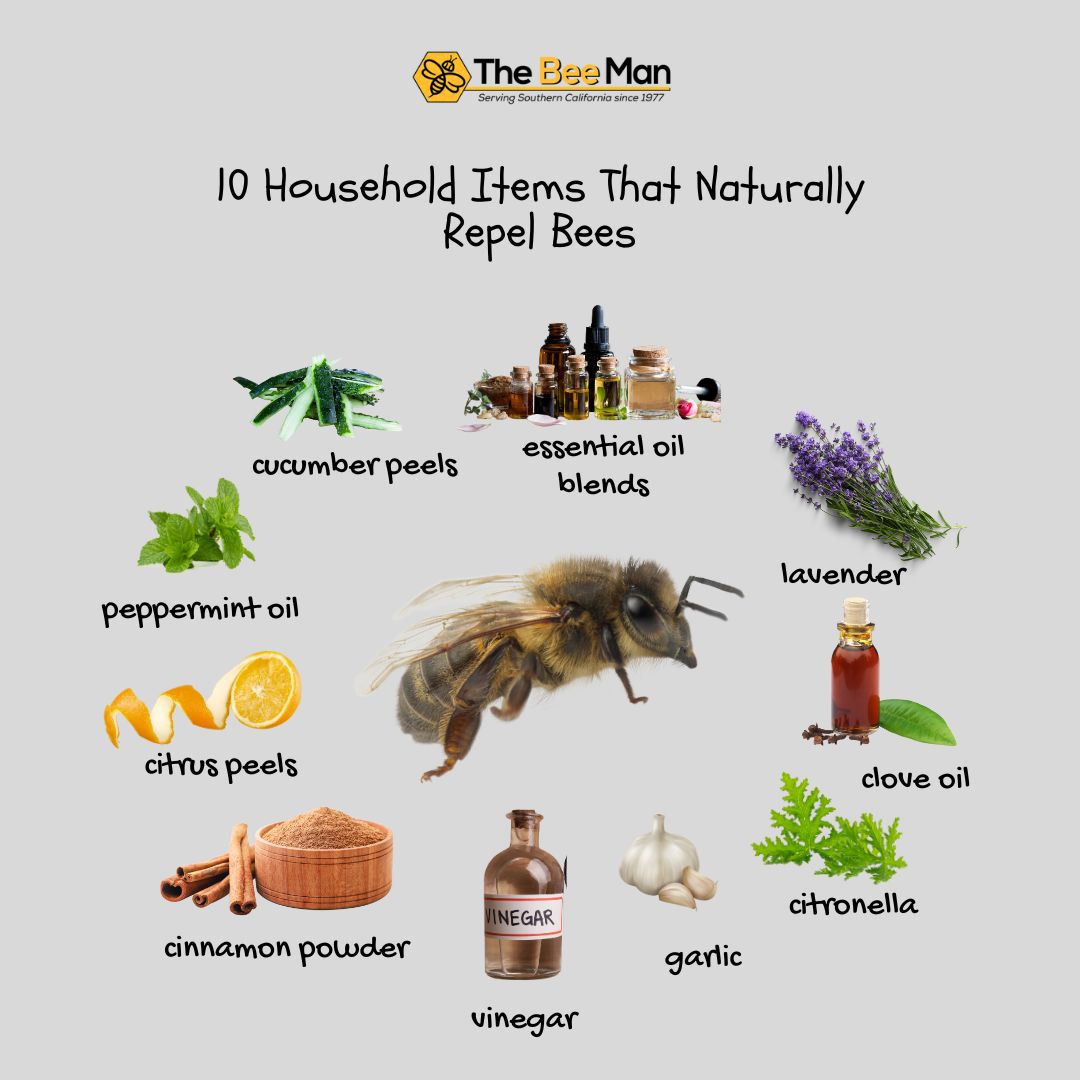
- Plant borders: Lemongrass, peppermint, marigold, and citronella can reduce visits near doors.
- Essential oils: Mix 10–15 drops of peppermint or lemongrass oil with water and a bit of dish soap. Spray frames and thresholds twice a week. Test a small area first.
- Vinegar cleaner: A simple vinegar-water wipe on outdoor tables removes sweet residue.
- Decoys for carpenter bees: Provide a carpenter bee trap or sacrificial untreated wood away from eaves, then seal and paint your home’s wood.
Avoid random “killer” sprays. Many are illegal against honey bees and can harm pets and helpful pollinators. Use targeted, lawful methods.
:max_bytes(150000):strip_icc()/keep-bees-away-GettyImages-1388023062-c12bcb1020134bf583d03995a4b5370f.jpg)
Yard And Outdoor Living Tips
A tidy yard makes a big difference. Think like a scout bee. You want fewer signals around your home, and more activity further out.
- Put outdoor dining 15–20 feet from doorways.
- Use lidded cups for sweet drinks.
- Clean spills fast during cookouts.
- Store hummingbird feeders and syrup well away from the house, and clean them often.
- Keep compost covered and balanced with browns to reduce sweet smells.
For pools and hot tubs, keep covers on when not in use. Add a nearby pollinator water station in the far corner of the yard. It can draw bees away from people spaces.

When Bees Have Already Moved In
If you see steady traffic into a wall, soffit, or chimney, a colony may be inside. Do not block them. That traps bees and honey, which can leak and draw pests. This needs humane removal.
- Call a local beekeeper or licensed bee removal service.
- Ask for live removal and comb extraction, not just a spray.
- After removal, request repair and a “bee-proof” seal with mesh and caulk.
- Keep an eye on the area for two weeks. Re-seal if you see scouts return.
Most removals are quick when handled early. In my experience, fast action saves money and prevents repeat visits.
Legal And Ethical Considerations
Honey bees are vital pollinators. In many areas, it is illegal to kill them with general-use pesticides. Local rules vary, so check city or county guidance. Humane removal is the best path.
Research from extension services and entomology groups shows live removal plus repairs prevents re-infestation better than spray-only methods. Be transparent with any contractor. Ask about their methods, mesh size, and sealing plan. Keep documentation for any future home sale disclosures.
Seasonal Checklist To Keep Bees Away
Simple habits beat big fixes later. Use this quick plan each season.
- Early spring: Seal gaps, paint raw wood, clean vents, and set mesh.
- Late spring: Move attractants, set peppermint spray routine, relocate feeders.
- Summer: Maintain screens, lids, and water control. Keep grills and tables clean.
- Fall: Repair roof edges, store firewood away, clear debris.
- Year-round: Walk your home monthly and note new gaps or activity.
These small moves add up. Most homes see fewer bee visits within two weeks of consistent steps.
Personal Lessons From The Field
On one call, a family kept finding bees in their bathroom. The source was a thumb-size gap near a roof vent. We set a one-way exit with a beekeeper, removed the comb, then sealed the vent with 1/8-inch mesh and caulk. The problem ended that day.
Another case had constant carpenter bee holes in a cedar pergola. Stain and paint did more than traps. We also hung a decoy board 25 feet away. Activity dropped by half in a week, and to near zero after sealing the old holes with wood filler. Small, steady fixes beat one-time tricks.
Data-Backed Insights You Can Trust
Field studies and guidance from agricultural and urban pest programs support an integrated approach. Prevention, habitat control, and structural exclusion work better than sprays alone. Fine mesh at 1/8 inch is a standard for vents. Sealing after live removal is key to stop repeat nesting.
Keeping sugar sources away from structures and using neutral or less-attractive plants near doors reduces visits. These steps align with best practices for pollinator-friendly management. They keep your home calm while protecting bees.
Frequently Asked Questions
What Smells Keep Bees Away From My Door?
Peppermint, lemongrass, and vinegar help mask sweet scents. Use a light spray on frames and thresholds twice a week. Clean sticky spots often.
How Do I Stop Bees From Nesting In My Walls?
Do not seal active entry holes. Call a humane removal service. After removal, seal with caulk and 1/8-inch mesh on vents and gaps.
Are Carpenter Bees Harmful To My House?
They drill into unpainted or soft wood. Over time, damage can add up. Paint, seal, and fill holes to protect beams and trim.
Can I Use Store-Bought Sprays On Bees?
Many products are unsafe or illegal for honey bees. Use live removal and structural fixes instead. Check local regulations before any treatment.
Why Do Bees Show Up Around My Pool?
They need water. Keep covers on when not in use. Offer a shallow water dish with pebbles far from the pool to draw them away.
Wrap-Up And Next Steps
You can keep bees away from your house with smart prevention and simple habits. Seal entry points, remove sweet signals, control water, and protect wood. If a colony moves in, choose humane removal and a solid repair plan.
Start with one 30-minute walk-around today. Fix the easy gaps and clean high-attractant spots. Subscribe for more home-proofing guides, or leave a comment with your situation, and I’ll help you plan your next steps.