

Build a sturdy coffee table with simple tools, solid joinery, and care.
If you want to learn how to make a coffee table that looks clean, lasts long, and fits your room, you are in the right place. I will walk you through proven steps, smart tips, and mistakes to avoid.
Over the years, I have built tables for small homes and busy families. This guide on how to make a coffee table is clear, safe, and backed by real shop practice.
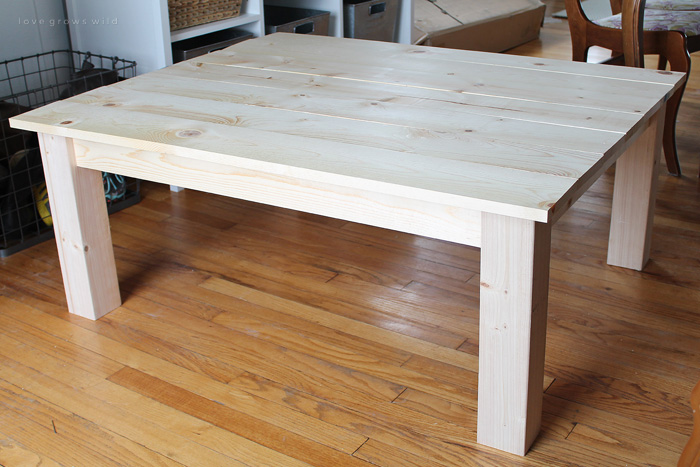
Project snapshot and planning
Think of your coffee table as the anchor of your living space. It should be strong, stable, and easy to clean. Before you cut wood, set your plan. Good plans save time and money.
Key points:
- Define where the table will sit. Measure the room and nearby seats.
- Choose a style. Modern, rustic, mid-century, or farmhouse all work well.
- Pick a budget range. Costs change with wood type and finish.
- Decide on height, length, and width. Make sure it suits your sofa and walkway.
Why this matters when learning how to make a coffee table:
- Fit avoids stubbed toes and clutter.
- Good joinery stops wobble.
- A clear plan makes each step simple.
Tools and materials checklist
You can build with a small set of tools. Better tools help, but they are not required. Gather your kit before you start so you can work in a smooth flow.
Core tools:
- Tape measure, square, and pencil for layout
- Hand saw or circular saw for cuts
- Drill and bits for pilot holes
- Orbital sander with 80, 120, 180, and 220 grit discs
- Clamps for glue-ups
- Chisel and mallet for fine fits
- Safety gear: glasses, ear protection, dust mask
Helpful add-ons:
- Miter saw for accurate crosscuts
- Pocket hole jig for fast joinery
- Router with round-over bit for clean edges
Materials:
- Hardwood or softwood boards for top, aprons, and legs
- Wood glue rated for interior use
- Screws suited to wood depth
- Wood filler and sandpaper
- Finish: oil, poly, or hardwax oil
- Felt pads for the feet
When you explore how to make a coffee table, choose tools you can control well. Clean, square cuts and firm clamping matter more than speed.
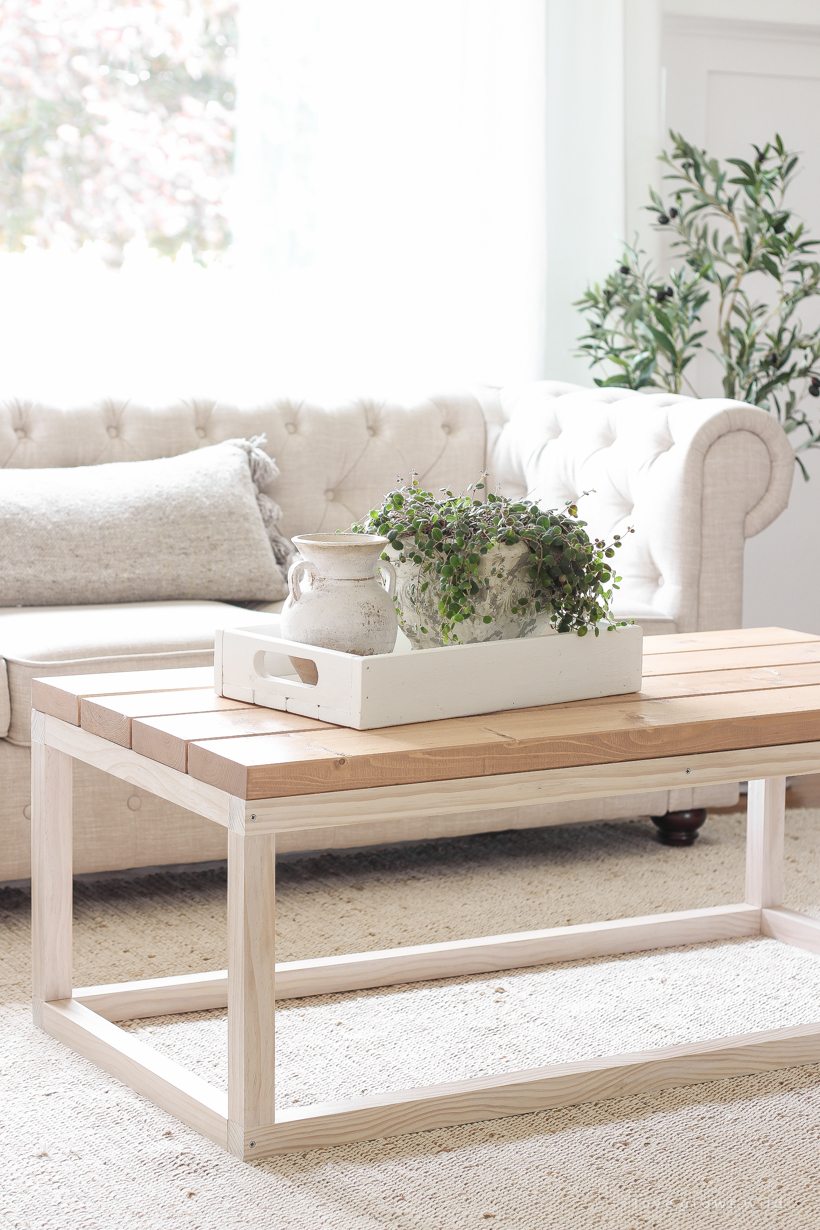
Dimensions and ergonomics
Standard sizes work for most rooms. Use them as a start. Then tune for your space and sofa height.
Common targets:
- Height: 16 to 18 inches. Aim close to your sofa seat height.
- Length: 36 to 48 inches. Leave at least 12 to 18 inches to the sofa.
- Width: 18 to 24 inches. Keep walkways clear.
Layout tips:
- Make a tape outline on the floor. Step around it.
- Sit on your sofa. Reach where the table would sit. It should feel easy.
- If you host often, a larger top helps. If space is tight, keep it slim.
These rules help you master how to make a coffee table that fits and feels right.

Wood selection and cutting list
Wood choice sets the look and the final cost. Hardwood is durable and ages well. Softwood is budget friendly and easy to cut.
Reliable options:
- Oak: strong, open grain, easy to finish
- Maple: hard, smooth grain, clean modern look
- Walnut: dark tone, rich figure, premium feel
- Pine: soft, light, takes stain but dents easier
Simple cutting list for a 44 × 22 × 17 inch table:
- Top: boards edge-glued to 44 × 22 inches
- Aprons: two at 38 inches, two at 16 inches, 3 to 4 inches tall
- Legs: four at 17 inches minus top thickness
– Optional stretchers: two at 16 inches between long aprons
Wood moves across the grain. Leave small gaps for seasonal change. This is key when learning how to make a coffee table that stays flat.

Joinery choices
Joinery holds the frame together. Choose a method that matches your tools and skill.
Good options:
- Mortise and tenon: classic, very strong, ideal for legs to aprons
- Pocket screws with glue: fast and strong enough for most builds
- Dowels: neat and simple with a jig
- Domino or loose tenons: fast and strong if you have the tool
- Figure-eight fasteners or Z-clips: let the top move with the seasons
Guidance:
- For a first build, pocket screws and glue work well.
- For heirloom quality, use mortise and tenon.
- Always predrill. Avoid splitting.
Strong joints are the heart of how to make a coffee table that does not wobble.

Step-by-step build guide
Follow these steps to turn boards into a table you will use every day. Keep cuts square and edges clean. Dry fit parts before you add glue.
- Mill and cut parts
- Cut legs, aprons, and top boards to size.
- Mark each part. Keep grain aligned for a calm look.
- Check for square after each cut.
- Build the top
- Edge-glue boards to the final width. Use clamps and cauls.
- Wipe glue squeeze-out after 20 minutes for easy cleanup.
- Once dry, trim the panel to final size.
- Prepare joinery
- Add pocket holes on the inner face of aprons if using a jig.
- Or cut mortises on legs and tenons on aprons.
- Test each joint. It should seat snug, not forced.
- Assemble the base
- Glue and clamp short aprons between legs. Check for square.
- Add long aprons. Recheck diagonals for equal length.
- Let the frame cure per glue time.
- Attach the top
- Add figure-eight fasteners or Z-clips to the aprons.
- Center the base under the top. Mark and predrill.
- Secure fasteners. Do not over tighten.
- Ease edges
- Use a router or sandpaper to round sharp edges.
- A small round-over feels nice to the touch.
- Final check
- Place on a flat floor. Test for rock and twist.
- Trim or sand feet if needed.
These steps are a clean path for how to make a coffee table with simple tools and steady results.
Sanding and finishing
Finish highlights the wood and protects it from spills. Take time here. It pays off every day you use the table.
Sanding sequence:
- Start with 80 grit to level joints.
- Move to 120, then 180, and finish at 220 grit.
- Sand with the grain. Wipe dust between grits.
Finish choices:
- Oil-based polyurethane: strong and warm tone
- Water-based polyurethane: clear and low odor
- Hardwax oil: natural feel, easy to repair
- Oil plus wax: deep look, less film build
Application tips:
- Apply thin coats with a clean brush or pad.
- Follow labeled dry times. Do not rush.
- Lightly sand with 320 grit between coats.
- Aim for two to three coats for daily use.
A durable finish is a key part of how to make a coffee table that stands up to real life.

Budget, time, and skill level
You can scale this build to your budget and time. Plan your spend around wood and finish. Tools can be basic.
Typical ranges:
- Budget: 80 to 350 dollars, based on wood choice
- Time: 1 to 2 weekends, including finish cure time
- Skill: beginner to intermediate
Money-saving tips:
- Use pine or poplar and a good topcoat.
- Buy rough lumber and mill it if you can.
- Keep the design simple. Fewer parts, fewer tools.
Knowing these numbers helps you plan how to make a coffee table without stress.
Safety essentials
Woodworking is safe when you respect the tools. Protect your eyes, ears, and lungs. Work with a clear mind and space.
Safety steps:
- Wear glasses, ear protection, and a dust mask.
- Clamp work before cutting or drilling.
- Keep hands away from blades and bits.
- Unplug tools when changing blades.
- Clean dust often to avoid slips or fire risk.
Safe habits are part of how to make a coffee table you will be proud to use.
Common mistakes and easy fixes
Everyone makes errors. The key is to spot them fast and fix them cleanly. Here are issues I see often in the shop.
Frequent mistakes:
- Wobbly base from out-of-square joints
- Glue squeeze-out staining the wood
- Top cracks from restricted wood movement
- Visible screw holes on the aprons
Fixes:
- Check diagonals. Adjust clamps until lengths match.
- Scrape semi-cured glue at 20 to 30 minutes.
- Use figure-eight fasteners to allow movement.
- Plug holes with matching dowels or wood plugs.
When you learn how to make a coffee table, these simple fixes save the day.
Variations and upgrades
Make the project your own. Small changes can shift the look in a big way. Build for your taste and your home.
Ideas:
- Add a lower shelf with slats for storage.
- Use tapered legs for a mid-century style.
- Try breadboard ends to keep the top flat.
- Inlay a narrow strip for contrast.
- Add drawers with simple runners.
These upgrades show how to make a coffee table that looks custom and refined.
Care and long-term maintenance
A little care keeps your table fresh. You do not need special gear. Simple habits go a long way.
Tips:
- Wipe spills fast with a soft cloth.
- Use coasters to avoid rings.
- Dust often to prevent fine scratches.
- Refresh oil finishes yearly as needed.
- Tighten fasteners if you notice movement.
Care routines are the last step in how to make a coffee table that lasts for years.
Frequently Asked Questions of how to make a coffee table
What is the best height for a coffee table?
Aim for the same height as your sofa seat or one inch lower. Most homes land between 16 and 18 inches.
How do I attach a tabletop so it will not crack?
Use figure-eight fasteners or Z-clips to allow seasonal movement. Predrill and avoid rigid glue bonds across the grain.
Can I build a coffee table with only a drill and circular saw?
Yes, with care. Use a straightedge for cuts, predrill all holes, and sand well for clean edges.
What finish is best for a family home?
Water-based polyurethane is tough, clear, and low odor. It resists spills and cleans up fast.
How do I stop wobble in the legs?
Check that the frame is square and the floor is flat. Adjust clamps during glue-up and level the feet after assembly.
Which wood is easiest for beginners?
Pine or poplar cut well and are budget friendly. Use a good primer or clear coat to protect them.
How long does the build usually take?
Most builds take a weekend for construction and another for finishing. Dry times drive the schedule.
Conclusion
You now have a clear path from raw boards to a strong, clean coffee table. You learned sizing, joinery, finishing, and care. You also saw common errors and fast fixes. With these steps, you can build with confidence and enjoy the result every day.
Start with a simple design and follow the steps in this guide. Take your time, measure twice, and work safe. Share your progress, ask questions, or subscribe for more builds and plans.