

Add risers, extenders, or new segments; ensure stability and level alignment.
If you want to know how to make table legs longer without wobble or a messy look, this guide is for you. I’ve raised dining tables, workbenches, and coffee tables in homes and shops.
I’ll show you clear methods, real-life tips, and the best tools so you can do it right the first time. Read on to learn how to make table legs longer with safe, simple steps you can trust.
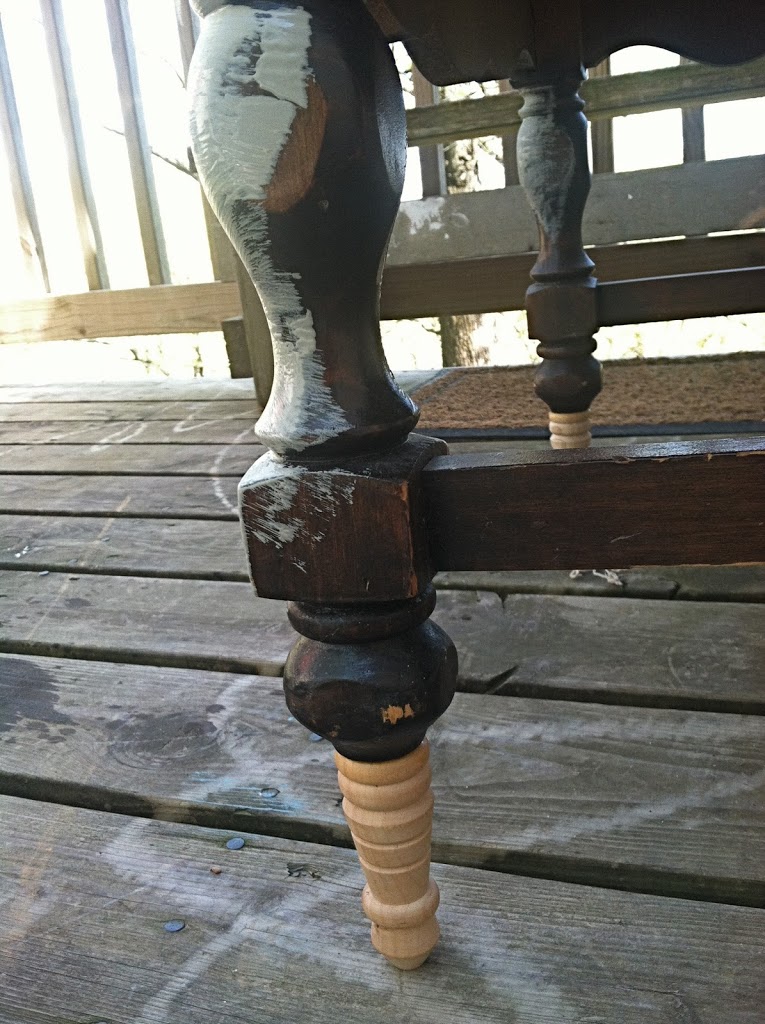
Understand Height, Comfort, and Structure
Before you decide how to make table legs longer, lock down the target height. A small change can affect comfort and stability. It also changes the center of gravity, so planning is key.
Common height targets:
- Standard desk or dining table: about 28 to 30 inches
- Counter height: about 34 to 36 inches
- Bar height: about 40 to 42 inches
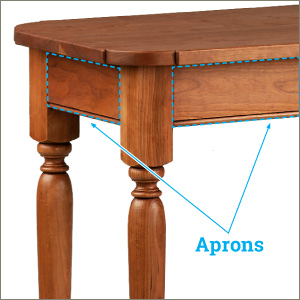
- Knee clearance for comfort: aim for at least 24 inches under the apron
Think about chair or stool fit. If you raise the table, you may need to raise chairs or swap stools. Check your floor too. Sloped or uneven floors need levelers or shims. When I help clients, I mark the desired height on painter’s tape around one leg. It makes the goal clear and helps avoid over-raising the piece.
Knowing why and how to make table legs longer helps you choose a method. If you only need one inch, a leveler or riser may be enough. If you need four inches or more, you may need blocks, sleeves, or new legs.

Tools and Materials You May Need
Gather tools before you start. It saves time and reduces mistakes.
- Tape measure, combination square, and pencil for accurate layout
- Handsaw or miter saw for clean, square cuts
- Drill, drill bits, and driver bits for joinery and hardware
- Wood glue and clamps for solid bonds
- Screws, dowels, hanger bolts, T-nuts, and threaded levelers
- Sandpaper (120 to 220 grit), wood filler, and finish
- Felt pads, rubber feet, or non-slip cups for grip
- Safety gear: eye and ear protection, dust mask
- Optional: epoxy for repairs, corner braces, and L-brackets for extra support
Match your materials to your table. For solid wood legs, choose the same species or a close match. For metal or tube legs, plan sleeves or compatible hardware.
The Main Ways to Make Table Legs Longer
There are many ways to solve how to make table legs longer. Choose the method that fits your height needs, budget, tools, and the table’s design.
Screw-in leg extenders or adjustable levelers
Great for small gains and easy leveling.
- Add 0.5 to 2 inches with threaded levelers.
- For legs with existing threaded inserts, swap in longer studs.
- If none exist, install T-nuts or threaded inserts.
Pro tip: I use felt-bottom levelers to protect hardwood floors and reduce noise.
Furniture risers or cups
Fast and reversible for 1 to 3 inches.
- Place riser cups under each leg.
- Choose non-slip rubber or wood with pads to prevent slide.
This is the simplest fix when you want to test height changes without tools.
Add wood blocks to the bottom of legs
Clean look with careful joinery, good for 1 to 6 inches.
- Cut blocks to match the leg profile.
- Use dowels, screws, or a tenon for strength, plus glue.
- Shape and sand the seam for a smooth transition.
I like dowel joinery here. It is simple, strong, and hides fasteners.
Install locking casters
Adds mobility and 2 to 5 inches.
- Use heavy-duty casters with brakes.
- Check load rating; all casters should handle more than the table plus expected weight.
Tip: Casters can make a dining table feel “floaty.” Better for workbenches or craft tables.
Add a sub-base or plinth under the frame
Lifts the whole table evenly without touching each leg.
- Build a perimeter frame or solid base.
- Attach the table to the plinth with screws and corner blocks.
- Paint the base a shadow color to hide the change.
This is a strong way to raise IKEA-style or apron-based tables.
Replace or sleeve the legs
Best when you need a big height change or a clean style update.
- Swap legs for longer ones (hairpin, turned, square).
- For metal or tube legs, add a welded or bolted sleeve.
When clients ask how to make table legs longer without a patchwork look, I often suggest a full leg swap.
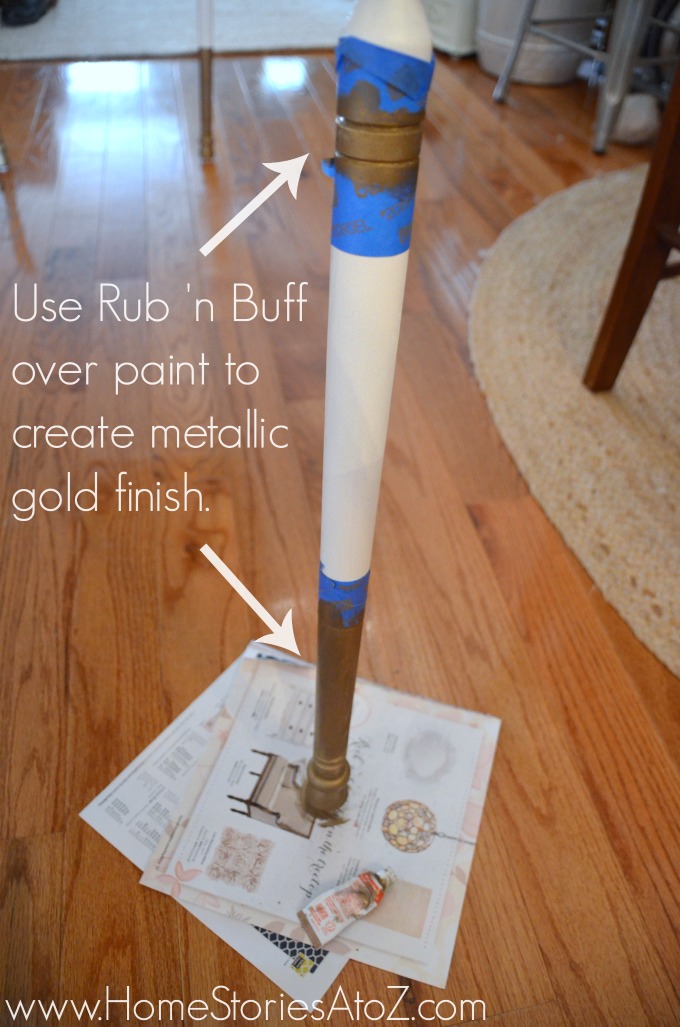
Use pipe fittings for industrial legs
Flexible and modular.
- Black pipe, flanges, and couplers raise height by exact increments.
- Add felt or rubber feet for grip.
This pairs well with rustic or industrial tops.
How to make table legs longer depends on your style and the table’s build. For heirloom pieces, favor methods that are reversible and protect the original wood.
Measure, Plan, and Mark: Step-by-Step
Accurate layout is the secret to success. The table must sit level and feel solid in use.
- Confirm the target height
- Measure the current height from floor to top.
- Note the needed increase. Aim for whole-inch or half-inch steps for ease.
- Check leg condition
- Look for cracks, loose joints, or rot.
- Fix or reinforce before you raise the height.
- Test stability
- Gently rock the table. Find wobbly joints.
- Tighten bolts or add glue blocks at the apron corners.
- Dry fit your method
- For risers or levelers, fit one leg first and test.
- For blocks, clamp them on and check the look and height.
- Install with care
- Pre-drill for screws and dowels to prevent splits.
- Keep all cuts square. Use a square to align blocks and sleeves.
- Level the legs
- Set the table upright on a flat floor.
- Place a level on the top. Adjust levelers or sand high spots on blocks.
- Finish the surface
- Sand flush at seams. Fill gaps if needed.
- Stain or paint to match. Add pads or caps to protect floors.
When I guide people on how to make table legs longer, I have them do a dry run. Seeing the change before final glue helps avoid costly rework.
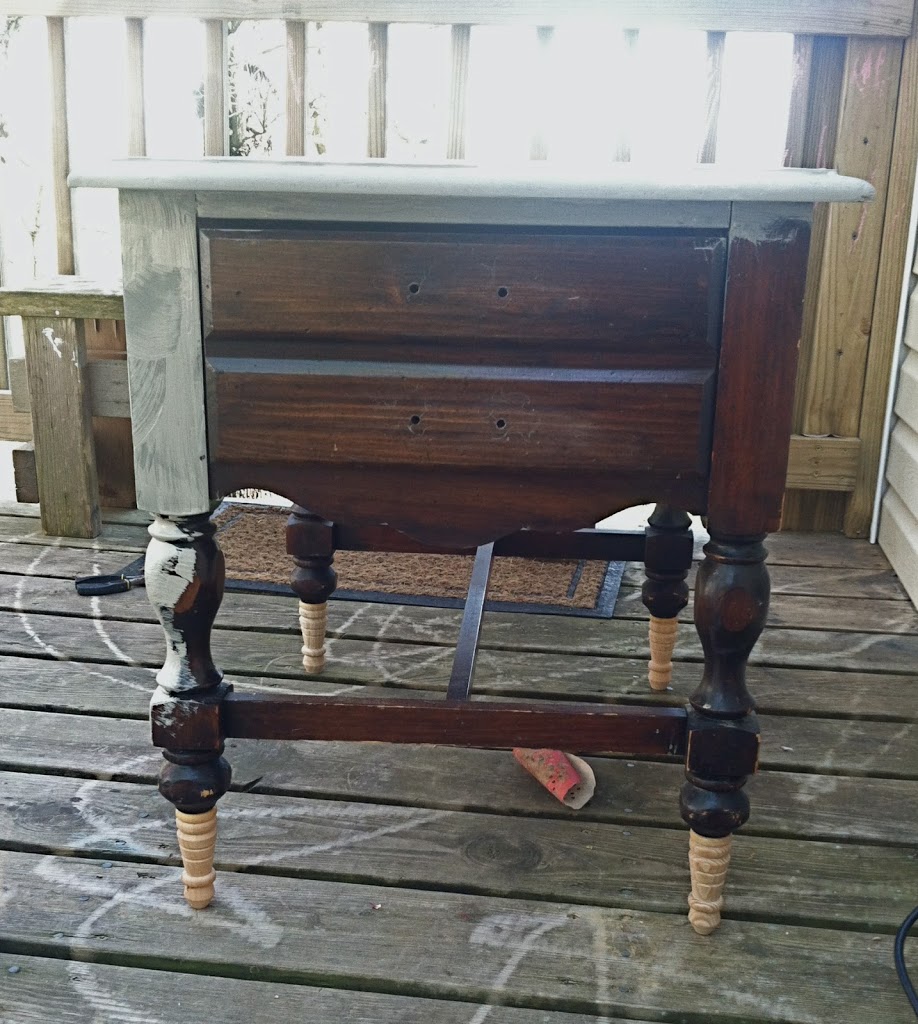
Stability, Strength, and Safety
Raising a table changes forces at the joints. Protect against wobble and racking.
Key checks:
- Strengthen corners with glue blocks or metal brackets inside the apron.
- For large height increases, add stretchers or cross-braces between legs.
- Keep the center of gravity low. Avoid tall, narrow legs on small tops.
- Use wider feet or larger riser cups to increase footprint if needed.
- Confirm load capacity. Hardware should exceed the expected load by a safe margin.
A quick test I use: push on each corner with the force of a firm handshake. If the table sways, add bracing before you call it done. Safety comes first in any plan for how to make table legs longer.
Finishing and Matching the Look
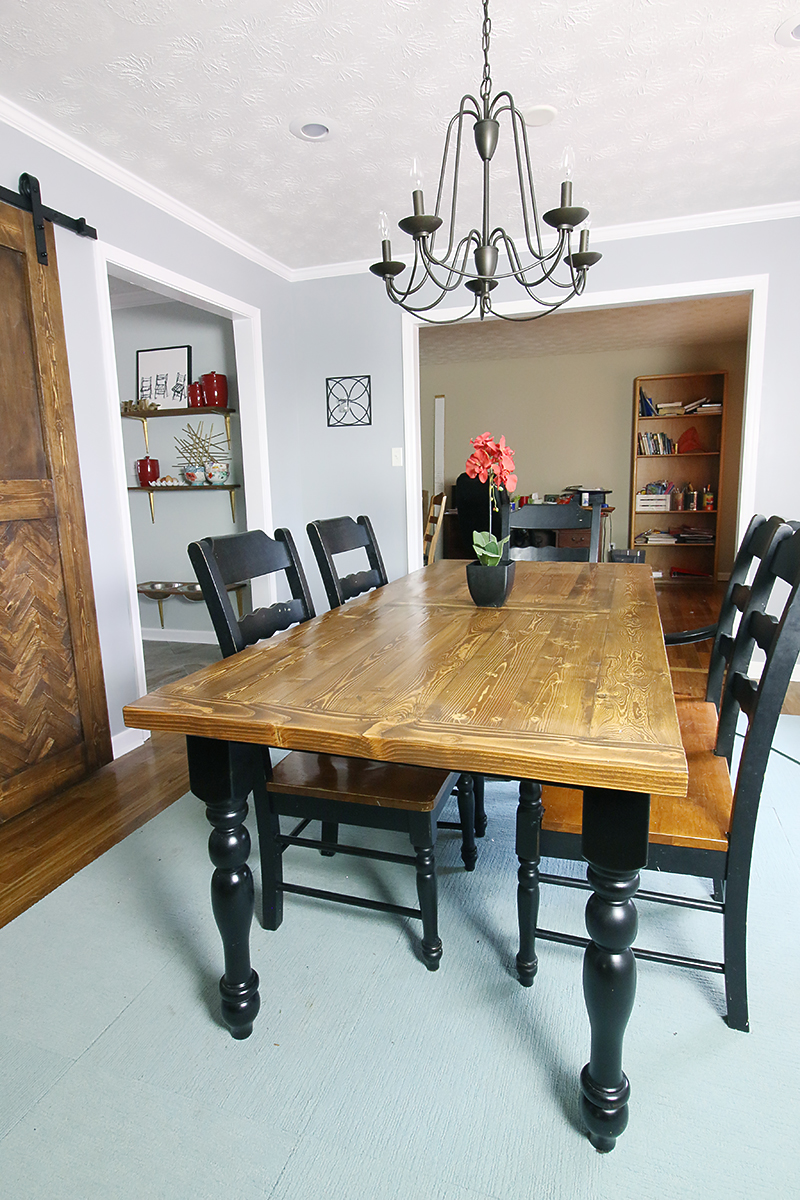
A neat finish makes the change disappear.
- Match wood species and grain direction when you add blocks.
- Round sharp edges with a light chamfer or 1/8-inch radius.
- Use wood dye or gel stain to blend tricky colors.
- Paint is the easiest way to hide seams on mixed woods.
- Add felt pads or rubber feet to stop sliding and protect floors.
On a walnut table I raised by two inches, I used end-grain plugs to hide screw heads. After a light sand and oil, the seam vanished. Small details matter when you show how to make table legs longer without a “DIY” look.
Cost, Time, and Difficulty
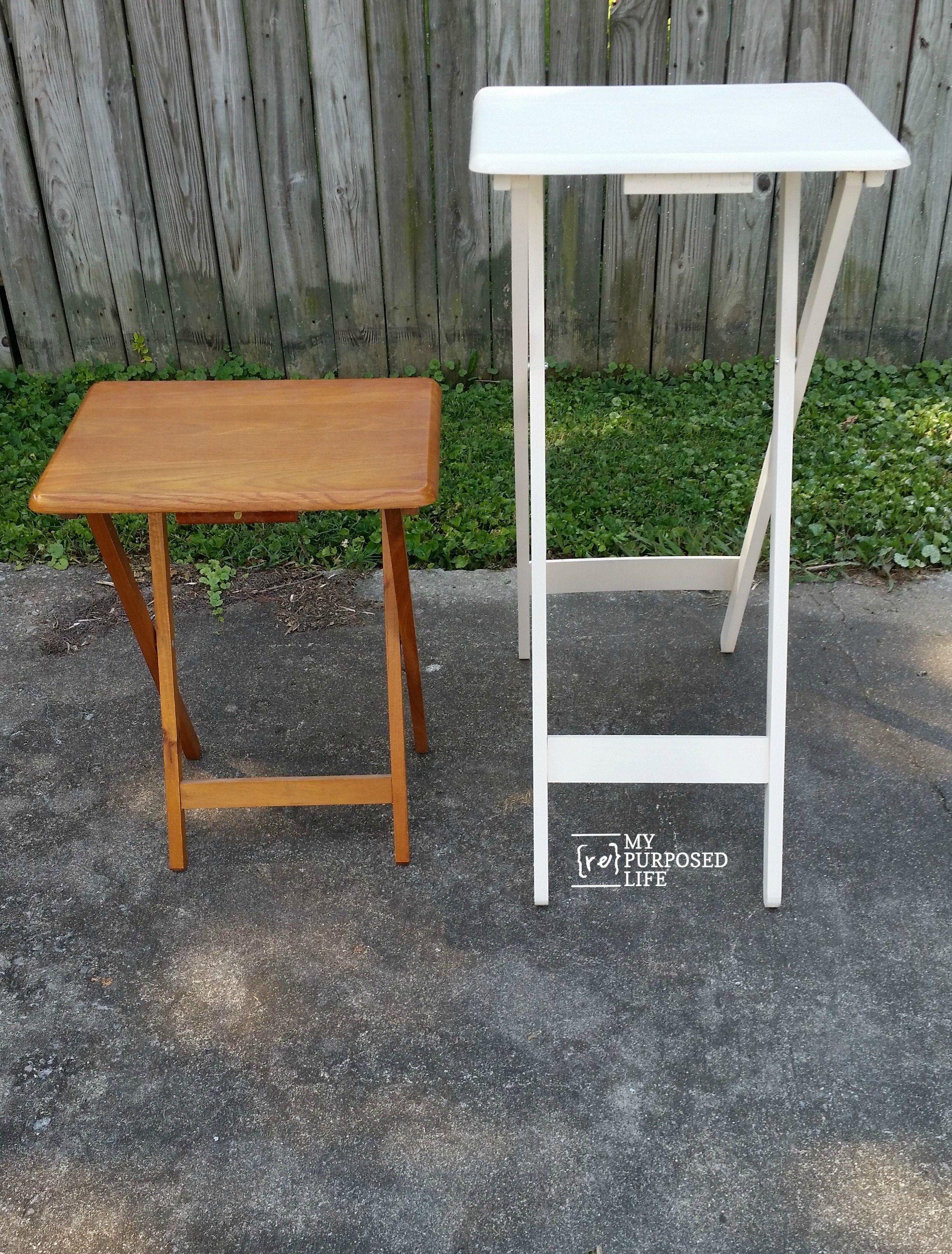
Pick the path that fits your budget and schedule.
Typical ranges:
- Threaded levelers or risers: low cost, 15 to 45 minutes
- Wood blocks with dowels: low to medium cost, 1 to 3 hours plus finish time
- Locking casters: medium cost, 45 to 90 minutes
- Sub-base or plinth: medium cost, 2 to 4 hours
- Replacement legs: medium to high cost, 1 to 3 hours plus finish
- Metal sleeves or welding: higher cost, pro tools, variable time
For renters or short-term needs, risers are best. For a long-term result, proper joinery and finish win. When clients ask how to make table legs longer on a tight budget, I steer them to levelers or risers first.

Common Mistakes and How to Avoid Them
I see the same errors when people try how to make table legs longer for the first time.
- Skipping pre-drilling. Result: split wood or stripped screws.
- Mixing softwoods and hardwoods without planning. Result: uneven wear and finish mismatch.
- Forgetting to level. Result: rocking table and wobbly feel.
- Raising too much on narrow legs. Result: tip risk and racking.
- Weak glue joints. Result: seams open under load.
Quick fixes:
- Use a drill guide for straight holes.
- Add diagonal braces or stretchers if the table flexes.
- Upgrade to larger riser cups or wider feet for stability.
- Sand and refinish as a final step, not an afterthought.

Maintenance and Long-Term Care
After you finish how to make table legs longer, keep it solid and quiet.
- Re-check fasteners and levelers after one week, then every few months.
- Add a drop of thread-locker to levelers if they drift.
- Keep floors clean. Grit under feet or casters causes wobble and wear.
- Touch up finish yearly on high-use edges and feet.
- Rotate the table 90 degrees every few months if floors are uneven.
These small habits add years of steady, safe use.
Frequently Asked Questions of how to make table legs longer
What is the quickest way to make table legs longer?
Use riser cups or screw-in levelers. They install in minutes and add up to about 2 inches.
How can I raise a table 4 inches without replacing legs?
Add wood blocks with dowels or build a sub-base. Both give strong, clean results with standard tools.
Will casters make my table wobble?
Not if you pick locking casters with the right load rating. Install all four, lock them, and test on a flat floor.
Can I make metal table legs longer?
Yes. Use threaded extenders, bolt-on sleeves, or welded sleeves. Match the tube size and wall thickness for strength.
How do I keep the table level after raising it?
Install adjustable levelers or shim the feet. Check with a level on the top and fine-tune until the rock is gone.
Is it safe to raise a dining table to counter height?
It can be, with proper bracing and a wider footprint. Confirm stool height and add corner blocks to the apron for strength.
How do I match the finish after adding blocks?
Sand the seam smooth and use stain or paint to blend. Gel stain and a clear topcoat work well for most woods.
Conclusion
You now know how to make table legs longer in safe, simple ways. Measure well, choose the right method, and finish with care. Small details like levelers, corner blocks, and matched finishes make all the difference.
Start with a dry fit. Test stability. Then commit to the final install. If this guide helped, share it with a friend, subscribe for more hands-on tips, or leave a comment with your project and questions.