

Ground bees can be a nuisance, especially when they decide to make a home in your backyard. As someone who’s dealt with the challenge of how to get rid of ground bees, I understand the urgency to find a solution.
These friendly pollinators can often lead to anxiety, especially for those with bee allergies or young children. The good news is that there are effective, safe, and natural methods to manage ground bees without resorting to harmful pesticides.
In this comprehensive guide, we’ll explore everything from identifying ground bees to practical methods for safely moving them along. Let’s dive in!
Understanding Ground Bees
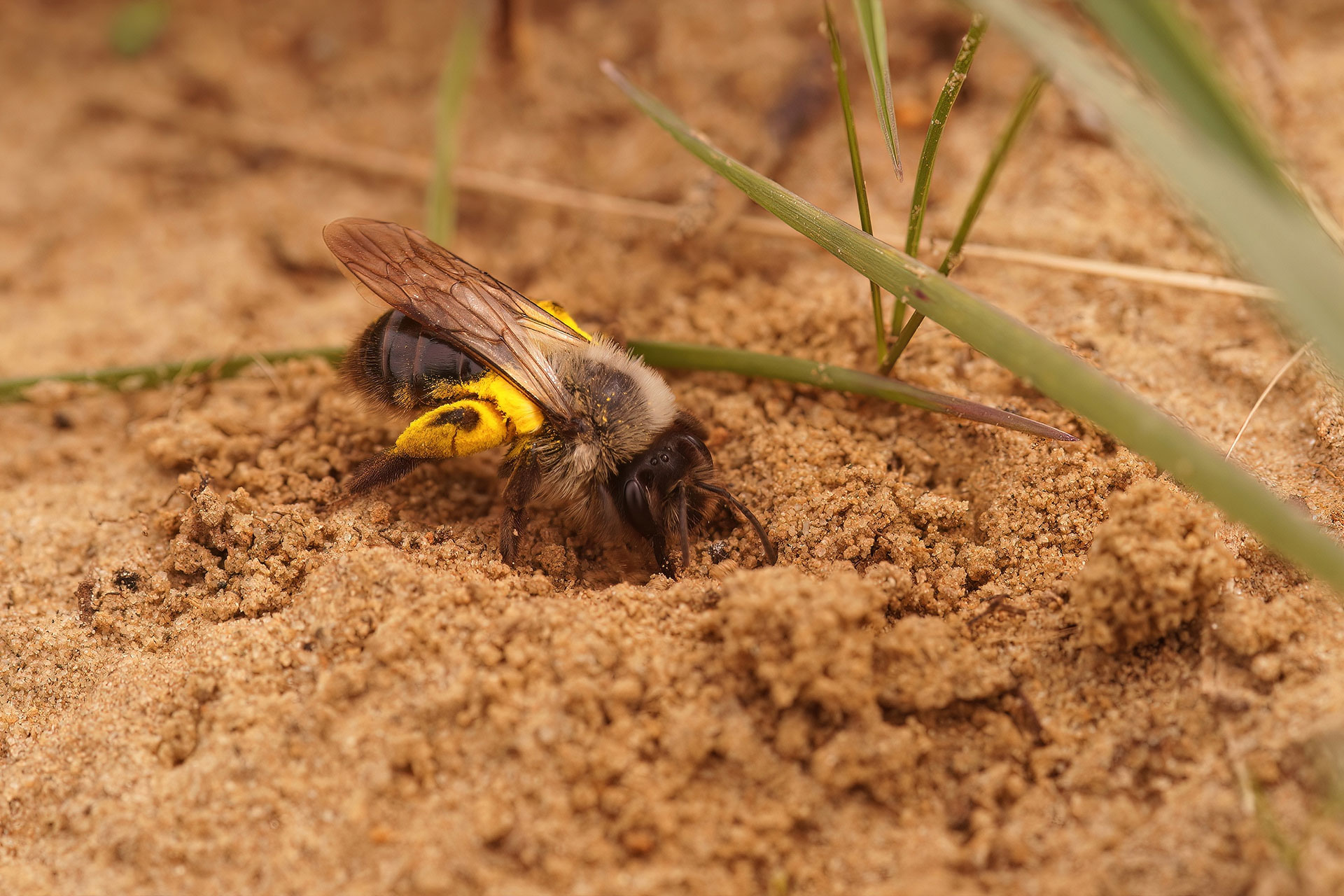
Before you tackle the problem of ground bees, it’s essential to understand what they are. Ground bees, unlike honeybees, are solitary and often nest in the ground. They are generally harmless and play a crucial role in pollination.
Characteristics of Ground Bees
- Appearance: Typically smaller than honeybees, ground bees come in varying colors, including black, yellow, and metallic hues.
- Nesting Habits: Ground bees prefer sandy or loose soil where they can easily burrow to create their nests.
- Seasonality: They are most active during late spring and early summer.
Recognizing these characteristics can help you distinguish ground bees from more aggressive species, such as yellow jackets or hornets.
:strip_icc()/bhg-ground-bee-1874365998-0dc3c3855ec14713a784ff5999dd5565.jpg)
Steps to Get Rid of Ground Bees Safely
Observe the Bees
Before taking action, spend some time observing the bees’ activity to determine the extent of the infestation. This will help you understand their nesting patterns and identify the best approach.
Don Protective Gear
If you’re feeling brave enough to tackle the problem yourself, make sure to wear long sleeves, gloves, and a face mask to protect yourself from potential stings.
Natural Deterrents
Ground bees are attracted to certain scents. You can create natural deterrents using essential oils:
-
- Mix water with peppermint or cinnamon oil in a spray bottle and apply it around the nest area.
- Vinegar is another effective deterrent. Mix equal parts of water and vinegar and spray it locally.
Drench the Nest at Night
Since ground bees are less active at night, you can drench the nest with soapy water. This will suffocate the bees and prevent them from escaping.
Move the Nest
If the nest is in a place that can be disturbed, consider gently relocating it. Use a shovel to dig up the nest and transfer it to a new location. Ensure the new site is not near your home or high-traffic areas.
Professional Help
If the infestation is extensive or if you’re not comfortable attempting these methods yourself, consider hiring a pest control expert. They can safely remove the bees while ensuring minimal harm to these important pollinators.
Maintenance to Prevent Future Infestations
- Regular Yard Maintenance: Keep your lawn well-maintained. Ground bees prefer areas with less foot traffic and overgrown grass.
- Use Mulch: Applying mulch can deter ground bees as they prefer to nest in loose soil.
- Fill in Holes: Seal any holes or cracks in your yard to eliminate potential nesting sites.
By taking these preventive measures, you can reduce the likelihood of ground bees settling in your yard in the future.
Frequently Asked Questions
What Are Ground Bees?
Ground bees are solitary bees that create nests in the ground. They are typically harmless and important for pollination.
Are Ground Bees Aggressive?
Most ground bees are not aggressive and will not sting unless provoked. However, it’s best to keep your distance.
How Can I Identify Ground Bees?
Ground bees are usually smaller than honeybees and have a more rounded body. They often have black and yellow stripes.
When Are Ground Bees Most Active?
Ground bees are most active during the spring and early summer months.
What Should I Do If I’m Allergic to Bee Stings?
If you’re allergic to bee stings, it’s advisable to avoid the area where ground bees are nesting and seek professional pest control help.
Conclusion
Dealing with ground bees can be daunting, but it doesn’t have to be.
By understanding their behavior and employing safe removal techniques, you can manage these pollinators effectively.
Remember to observe their activity, consider natural deterrents, and if needed, seek professional assistance.
Whether you decide to go the DIY route or consult an expert, the key is to act thoughtfully and safely.
Don’t let ground bees ruin your outdoor experience; take charge today and reclaim your space!
For more tips and visual guidance, check out this helpful video on how to get rid of ground bees.