

I’ve spent years working outdoors, guiding crews on safe, bee-smart habits. When stings can stop a job, you learn fast. In this guide, I’ll show you how to keep bees away from you with simple steps that work in real life.
We’ll cover what attracts bees, what repels them, and what to do if one follows you. It’s clear, safe, and built on science and field experience. Read on for calm, proven advice you can use today.
Quick Safety Rules When Bees Are Near
If a bee hovers near you, stay calm. Sudden moves can trigger a sting. Do not swat. Move away in a slow, steady line. If several bees follow, jog to shelter. Go inside a car or building and close doors.
Use light, smooth clothes. Cover skin when you can. Tie back hair. Avoid floral prints. Skip cologne and strong scents. Sweet drinks, ripe fruit, and open trash attract bees fast. Keep lids on.
If you have a severe allergy, carry an epinephrine auto-injector. Tell your group where it is. Seek urgent care after use. Even with care, reactions can return.
These tips match guidance from public health groups and entomology labs. They are simple, but they work.
What Attracts Bees To People?
Bees do not hunt you. They seek food, water, and nest safety. People often carry cues that signal these needs.
- Sweet scents and flavors. Perfumes, shampoos, lotions, sodas, juices, and ripe fruit draw bees.
- Bright floral colors. Patterns and bright tones can look like flowers to a foraging bee.
- Sweat and salt. Bees may take water and minerals from sweaty skin or damp clothes.
- Open food. Picnic spreads, sticky cups, and frosting are high-value targets.
- Vibration and air puffs. Swatting hands and flapping cloth can feel like a threat.
Research shows bees rely on scent first, then color, then shape. Reduce those cues, and you reduce interest.

How To Keep Bees Away From You Outdoors?
Use these field-tested steps during hikes, picnics, gardening, and events.
Clothing and gear
- Wear light colors. White, tan, and khaki attract less than black or red.
- Pick smooth fabrics. Wool and fuzzy knits can snag a bee or feel like a predator.
- Use a hat with a brim. It keeps hair contained and reduces scent plume.
- Pack a small fan. A steady breeze near your face deters bees from hovering.
Food and drink
- Keep drinks in sealed bottles. Use lids or straws with covers.
- Wipe sticky hands and surfaces fast. Bring unscented wipes.
- Store fruit and sweets in sealed containers. Open only when eating.
- Set a “food zone” and a clean, separate “rest zone.”
Scent control
- Skip perfume, cologne, and strong hair products.
- Use unscented sunscreen and lotion.
- Wash hands after cutting fruit or handling syrup.
Movement and space
- Move in a straight, calm line if a bee comes close.
- Do not swat. Hands look like a threat.
- Avoid standing near flowering shrubs, clover lawns, or open compost.
- Sit in shade and upwind of food.
Event setup
- Place trash cans 30 feet downwind from people.
- Use tight lids and double-bag sweet trash.
- Add a small fan near buffet tables. Airflow disrupts bee flight.
These steps align with field observations and controlled studies on bee foraging. They are simple to apply and reduce risk.
Natural Repellents That Actually Help
No spray can make you “invisible” to bees. But some scents can lower interest. Evidence varies, so use these as helpers, not shields.
Plant-based options
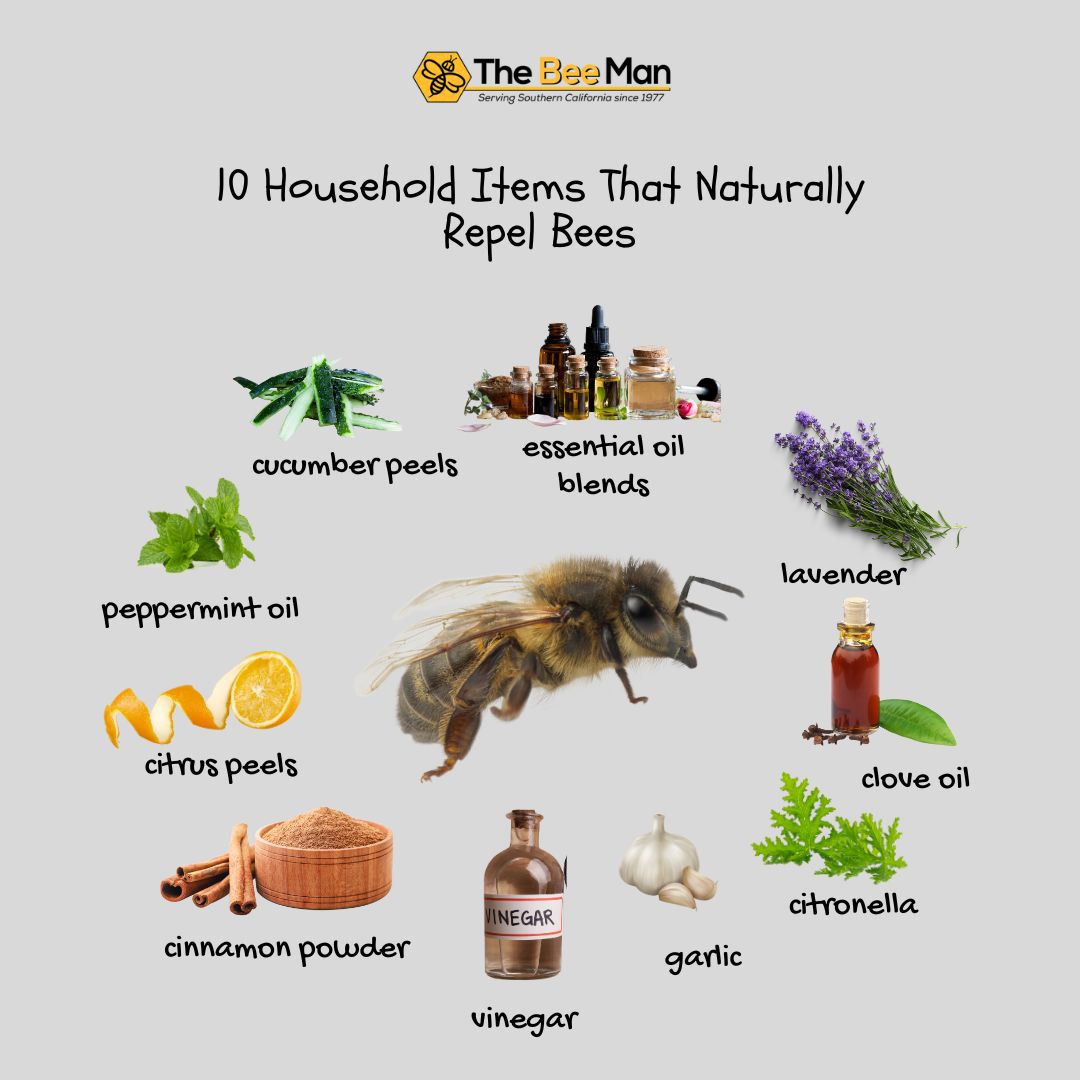
- Peppermint oil. Lightly spray on outdoor table legs or chair backs. Avoid skin if you have sensitivity.
- Eucalyptus or spearmint. Similar to peppermint, with a mild effect on hovering bees.
- Citronella. Better for mosquitoes, mixed results for bees, but can mask food odors.
- Vanilla extract. A light dab on hat brim may reduce sweet food scent competition.
Application tips
- Dilute oils. Use 5 to 10 drops in 1 cup of water. Shake and reapply every 45 to 60 minutes.
- Do not spray bees or hives. The goal is to deter, not harm.
- Test on fabric first. Oils can stain or irritate skin.
Avoid harsh chemicals or bug zappers. They can harm beneficial insects and may increase aggression if misused. Many entomologists note that airflow and scent control beat any single repellent.
Home And Yard Strategies To Reduce Bee Interest
If you host outside often, set up your space to keep bees busy elsewhere.
Yard layout
- Place dining areas away from flowering plants. Keep at least 20 to 30 feet of space.
- Mow flowering weeds like clover before gatherings.
- Add fans on patios. Steady air makes hovering hard.
Waste and water
- Seal trash and recycling. Rinse bottles and cans.
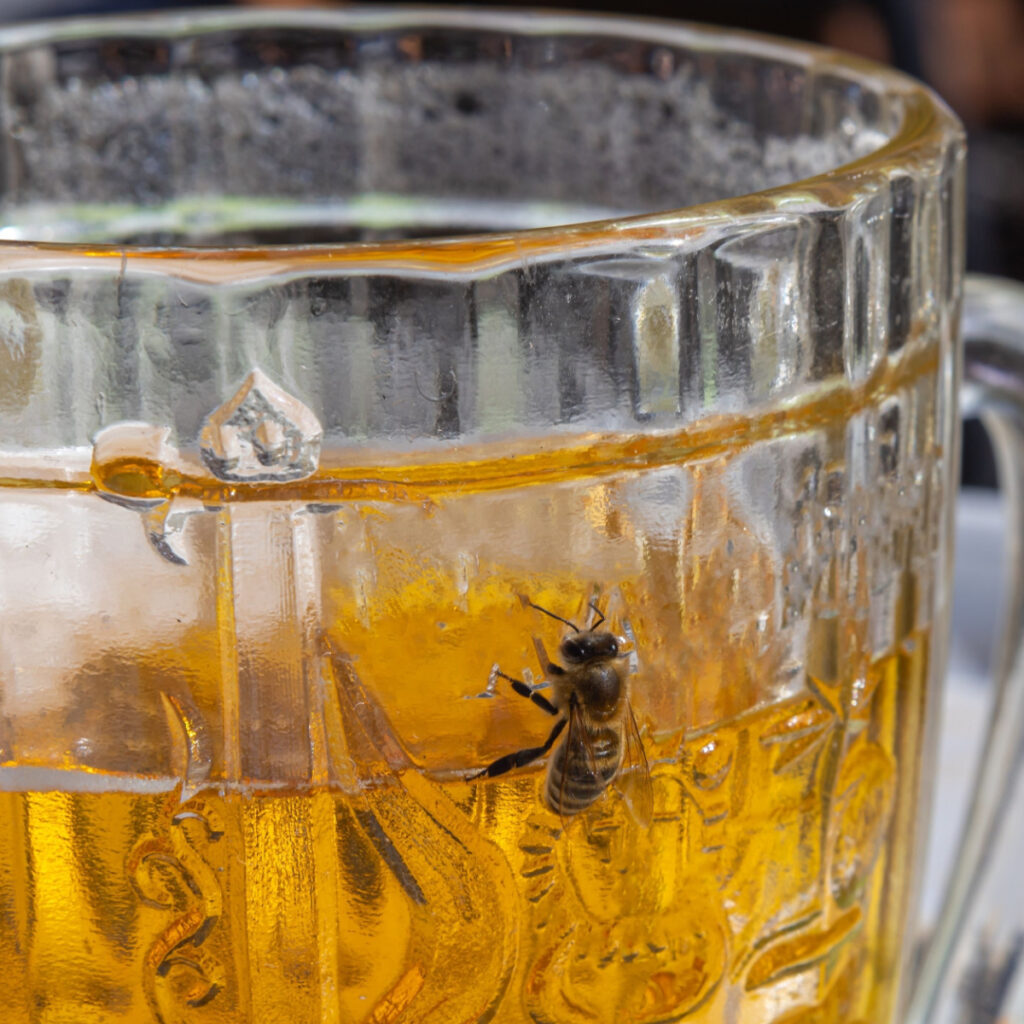
- Fix drips and cover open water near seating. Bees seek water in heat.
- Keep compost covered. Avoid adding sweet liquids on event days.
Structures
- Repair gaps in siding and eaves. Seal 1/8-inch or larger gaps to prevent nesting.
- Use fine-mesh screens on windows and vents.
- If you suspect a nest, call a local beekeeper or pest pro for safe relocation.
I’ve helped move several small colonies from sheds with local keepers. Quick calls prevent stings and save bees. It’s a win-win.
What To Do If A Bee Follows You Or Stings You?
If a bee follows you
- Stay calm. Walk away in a steady line.
- Cover your face with your hands or a hat, but keep moving.
- Enter a car or building. Close doors and wait a minute.
If a sting happens
- Remove the stinger fast. Scrape with a card or fingernail. Do not pinch the venom sac.
- Wash with soap and water. Apply a cold pack for 10 minutes on, 10 off.
- Use an oral antihistamine for itch if needed. Follow label directions.
- Watch for signs of allergy. Hives over the body, trouble breathing, swelling of tongue or throat, or dizziness are emergencies. Use an epinephrine auto-injector if prescribed and call emergency services.
These steps reflect standard first-aid advice used by outdoor teams and medical guidance. If swelling spreads or pain is severe, seek care.
My Field Notes And Common Mistakes To Avoid
What has worked best for my crews:
– Two small clip fans near food tables. Bees give up after a few passes.
– Unscented everything. Sunscreen, soap, wipes. It makes a big difference.
– Sealed drinks only. Cans without lids are sting traps.
Common mistakes to avoid:
- Swatting. This turns a curious bee into a defensive bee.
- Bright floral shirts at picnics. They look like a buffet.
- Leaving fruit rinds open. Even a few peels can draw a steady stream.
- Ignoring tiny gaps in sheds. Small openings can host a new colony.
Lesson learned the hard way: we once set the dessert table in full sun by a jasmine hedge. Within minutes, we had a swarm of foragers. We moved the table to shade, added a fan, sealed sweets, and the traffic dropped almost to zero. Simple changes, big results.
Frequently Asked Questions of how to keep bees away from you
Do dryer sheets keep bees away?
Some people report fewer bees with dryer sheets, but evidence is weak. They may mask odors. If you try them, use them on chairs or tables, not on skin.
Which colors attract bees the least?
White, tan, and light gray attract less. Avoid black, red, and bright floral patterns.
Will peppermint oil repel bees?
It may help a little as a masking scent. Dilute and apply to gear, not on bees. It is not a guarantee.
How do I eat outside without attracting bees?
Seal drinks, open food only when eating, wipe spills fast, set trash downwind, and run a small fan near the table.
What if a bee lands on me?
Stay still. Wait a few seconds. The bee will likely fly off. If needed, gently brush it away with a slow motion.
Can bees smell fear or sweat?
They do not smell fear as an emotion, but they can detect sweat and certain odors. Sweat and sweet scents can draw attention.
Should I call a beekeeper for a swarm?
Yes. Swarms are usually gentle but should be removed by a pro. Many beekeepers relocate them for free or a small fee.
Conclusion
You can reduce bee interest with simple moves. Keep scents low. Wear light colors. Seal food and drinks. Add airflow. Stay calm and walk away if bees come close. These steps protect you and respect bees, which are vital for our food and flowers.
Start with one change today, like switching to unscented products or packing a small fan for your next picnic. Share your results, ask questions, or subscribe for more nature-smart safety tips. Your feedback helps others enjoy the outdoors with confidence.