

Have you ever wondered how bees create that delicious, golden liquid known as honey? This delightful nectar has fascinated humans for centuries, not only for its sweetness but also for its incredible journey from flower to hive.
Understanding how bees make honey is not only a testament to nature’s ingenuity but also highlights the essential role bees play in our ecosystem.
Join me as we dive deep into the fascinating process of honey production, exploring the teamwork and science behind this natural wonder.
The Journey Begins: Gathering Nectar
The process of honey-making starts with foraging. Worker bees, which are female bees, leave their hive in search of nectar, a sugary liquid produced by flowers.
Each bee can visit hundreds of flowers in a single day, collecting nectar with their long, tube-like tongues.
This nectar is stored in a special stomach called the “honey stomach.”
- Foraging: Worker bees venture out to collect nectar.
- Nectar Storage: Nectar is stored in the honey stomach, separate from the bee’s digestive stomach.
- Flower Visits: A single bee can visit up to 2,000 flowers in one day.
Once the bee has filled its honey stomach, it returns to the hive. The nectar is rich in sugars, primarily fructose and glucose, but also contains water and small amounts of other compounds.
Transforming Nectar into Honey
Upon returning to the hive, the forager bee passes the nectar to a house bee through a process called trophallaxis.
This involves regurgitating the nectar into the mouth of the house bee. The house bee then begins to process the nectar further, a critical step in transforming it into honey.
- Enzymatic Action: The house bee adds enzymes, such as invertase, to the nectar. This enzyme breaks down sucrose into glucose and fructose.
- Water Evaporation: The nectar has a high water content, and bees work to reduce this through evaporation. Bees fan their wings to create airflow, which helps to evaporate moisture from the nectar.
- Thickening Process: As water is evaporated, the nectar thickens, eventually becoming honey.
This transformation is delicate and requires teamwork and the right environmental conditions. The process ensures that honey is less prone to spoilage, making it a viable food source for bees throughout the year.

Honey Storage and Capping
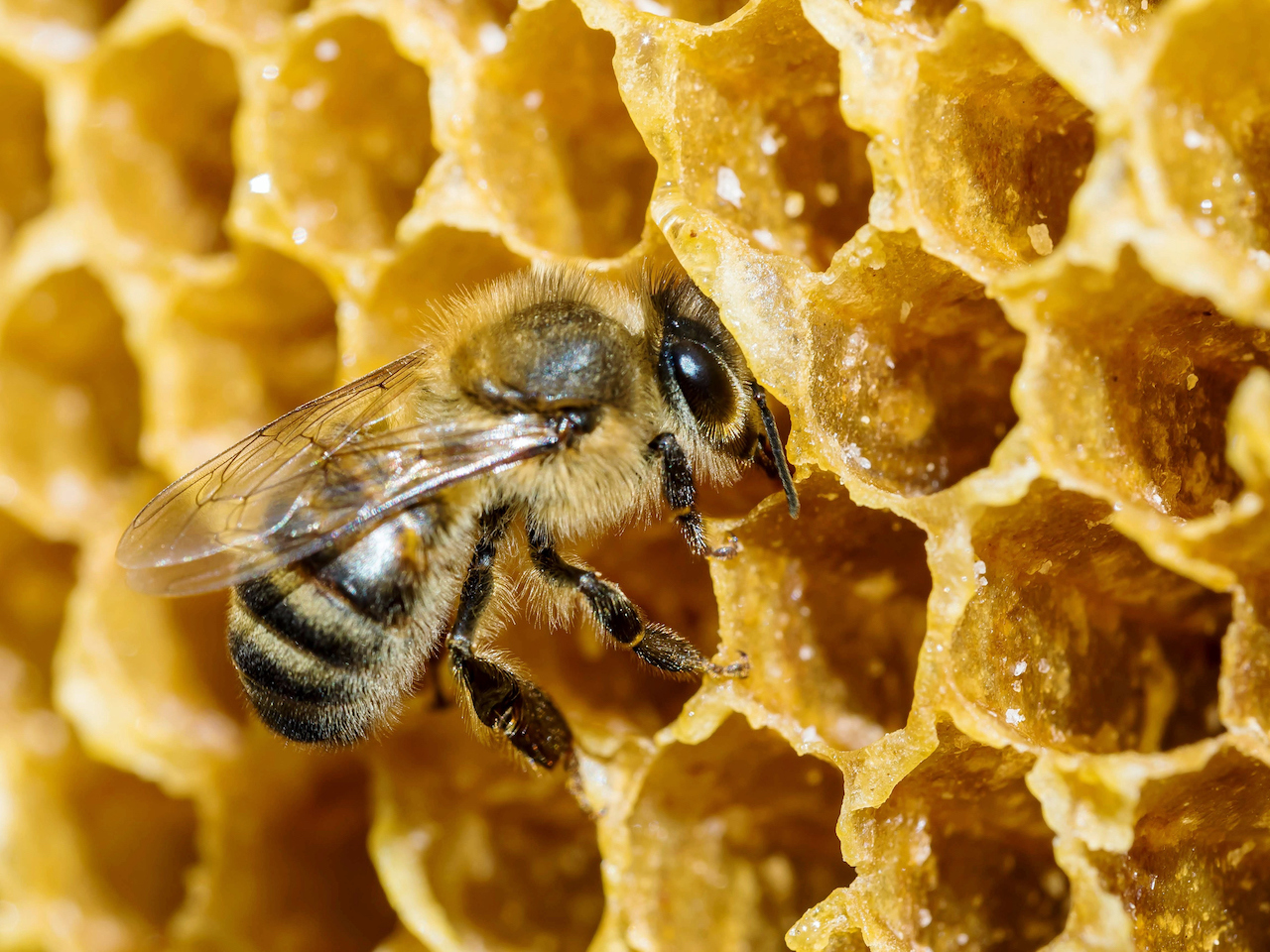
Once the nectar has been transformed into honey, it is stored in hexagonal beeswax cells within the hive.
The bees seal these cells with a wax cap, preserving the honey for future use.
- Honeycomb Construction: Bees build honeycomb structures from beeswax, which they produce from special glands.
- Capping: Once the honey is fully dehydrated, the bees cap the cells with wax to protect the honey from moisture and air.
This stage is vital for the survival of the bee colony, especially during winter when foraging is impossible. Honey serves as a critical energy source for the bees.

The Importance of Honey and Bees
Honey is not just a delicious treat for humans; it plays a crucial role in the ecosystem.
Bees contribute to pollination, which aids in the reproduction of many plants.
Without bees and their honey-making efforts, our food supply would be significantly impacted.
- Pollination: Bees help pollinate crops and wild plants, supporting biodiversity.
- Nutritional Value: Honey is rich in antioxidants, vitamins, and minerals, making it a healthful addition to our diets.
Understanding how bees make honey helps us appreciate the intricate relationships within nature and the importance of protecting these industrious creatures.
Frequently Asked Questions
What Ingredients Do Bees Use to Make Honey?
Bees primarily use nectar collected from flowers, which is rich in sugars. They also utilize enzymes from their saliva to transform nectar into honey.
How Long Does It Take for Bees to Make Honey?
The time taken for bees to make honey can vary based on factors such as flower availability, weather, and temperature. Generally, it can take several days to weeks for bees to process nectar into honey.
Why Is Honey So Thick?
Honey is thick because of the low water content resulting from the evaporation process carried out by bees. This concentration of sugars makes honey less susceptible to spoilage.
Can Honey Spoil?
Honey is one of the few foods that do not spoil due to its low moisture content and acidic pH. Properly stored honey can last for years, even centuries!
How Can I Enjoy Honey?
Honey can be enjoyed in numerous ways! Use it as a natural sweetener in tea, drizzled over yogurt, or as an ingredient in baking. Its versatility allows for both sweet and savory culinary applications.
Conclusion
The intricate process of how bees make honey is a remarkable example of nature’s brilliance. From foraging for nectar to transforming it into a sweet, thick substance, bees play an indispensable role in our ecosystem.
By appreciating this process, we can foster a greater respect for these amazing creatures and their contribution to our world.
So, the next time you enjoy a spoonful of honey, remember the incredible journey it undertook to reach your table.
Dive deeper into this subject, explore more about bees, and consider ways to support their populations. Your knowledge and actions can make a difference!