

The best hand planes for woodworking balance sharp blades, solid bodies, and easy tuning.
You want a flat board and a clean edge without tear-out or chatter. Maybe your power planer left swirl marks. Or your miter saw frayed the end grain on trim. A good hand plane fixes that in minutes. It also adds a level of control that machines cannot match.
In my shop, I reach for a block plane and a No.4 almost every day. If you’re hunting for the best hand planes for woodworking, this guide shows what works, why it works, and which models are worth your money.
5 Best Hand Planes for Woodworking
Jorgensen 3.5-inch Mini Block Plane

This tiny Jorgensen is a pocket-size block plane for quick trims. It shines on small chamfers, easing edges, and crafts. The ductile iron body helps resist drops and flex. The depth adjuster lets you take fine shavings or a slightly bolder bite when needed.
In hand, it feels nimble and easy to guide with your fingertips. The blade is small, so I keep it sharp and honed. Use it for delicate touch-ups after sanding or routing. It is not a bench plane, but it fills a gap that bigger tools miss.
Pros:
- Compact size is perfect for small trims and edges
- Ductile iron body offers strong impact resistance
- Adjustable cutting depth for fine control
- Great for craft work, softwoods, and plywood edges
- Lightweight and easy to carry on site
Cons:
- Too small for wide boards or heavy stock removal
- Short blade needs frequent honing during big jobs
- Fixed mouth limits control on tricky grain
My Recommendation
This is a handy sidekick for any toolkit. It suits makers, DIYers, and trim carpenters who need a fast, clean edge. If you want the best hand planes for woodworking to handle tiny detail work, this mini plane earns its spot. It also pairs well with a full-size block or a No.4 for a flexible setup.
| Best for | Why |
|---|---|
| Small chamfers and edge breaks | Compact body gives control in tight spots |
| Crafts and model work | Light cuts, easy handling, clean finish |
| Quick site fixes | Portable and fast to adjust |
Jorgensen 60-1/2 Low-Angle Block Plane

The 60-1/2 is the workhorse of block planes. A low bed angle makes it a beast on end grain. It trims doors, shelves, and miters with ease. The ductile iron body rides smooth, while the adjustable mouth dials in the shaving thickness.
I use a low-angle block plane daily for fit-and-finish tasks. It shines when a miter saw leaves fuzzy edges. Close the mouth to fight tear-out on reversing grain. Open it up for quick stock removal. This model hits a sweet spot of price and performance.
Pros:
- Low-angle geometry excels on end grain and hardwoods
- Adjustable mouth controls tear-out and shaving size
- Solid ductile iron body for stability and durability
- Responsive depth and lateral adjusters
- Compact enough for one-handed use
Cons:
- May need initial honing and minor sole lapping
- Small format limits wide board flattening
- Heavier than ultra-compact block planes
My Recommendation
If I could keep only one small plane, it would be a low-angle block. This one is a smart buy for furniture builders, trim carpenters, and cabinet installers. If you want the best hand planes for woodworking to tame end grain, choose this. It is also a great step up from a mini block.
| Best for | Why |
|---|---|
| End grain and trimming doors | Low angle slices fibers cleanly |
| Miter and joinery tune-ups | Adjustable mouth for precise cuts |
| Everyday shop carry | Compact, durable, and easy to adjust |
Jorgensen No.4 Smoothing Plane (10-inch)

The No.4 is the classic finisher. It is built to leave a glassy surface free of swirl marks. This Jorgensen has an adjustable depth and a stout body. With a sharp iron, you can level tool marks and reveal chatoyance in hardwoods.
Use it after a jack plane or sander. Take thin, full-width shavings. Watch the surface go from dull to bright. For many builders, a No.4 is the heart of a hand tool set. It is one of the best hand planes for woodworking when you care about the final look.
Pros:
- Ideal size and weight for final smoothing
- Delivers fine, full-width shavings
- Adjustable depth for precise control
- Durable ductile iron body resists warping
- Comfortable handles for longer sessions
Cons:
- Needs careful honing and setup out of the box
- Not suited for heavy stock removal
- May require chipbreaker tuning for best results
My Recommendation
Choose this if you want a smooth, ready-to-finish surface. It suits hobbyists and pros who value hand-planed sheen. If you are building a starter set of the best hand planes for woodworking, a No.4 belongs on your bench. Pair it with a No.5 or a block plane for a powerful combo.
| Best for | Why |
|---|---|
| Final surface prep | Leaves a clean, glossy finish |
| Removing minor tool marks | Thin shavings refine without tear-out |
| Hardwoods and figure | Controlled cuts with a sharp iron |
Jorgensen No.5 Jack Plane
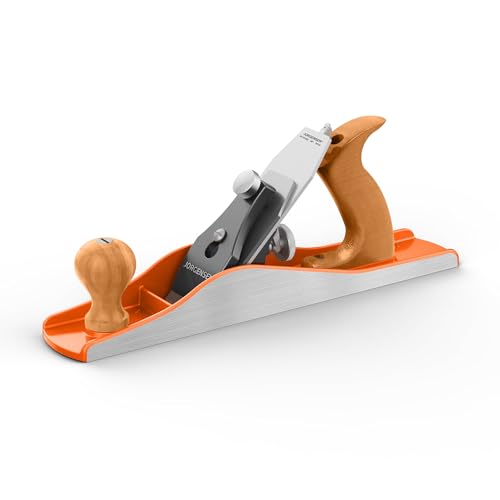
The No.5 is the do-it-all bench plane. It can remove twist, flatten faces, and prep edges. It is long enough to straighten boards but short enough to stay nimble. The ergonomic handle helps on long passes across big panels.
Camber the blade for rough work, then back off for finer cuts. Follow with a No.4 for show surfaces. If you build tables or glue up panels, a No.5 saves time. It is one of the best hand planes for woodworking when you want one plane to do many jobs.
Pros:
- Versatile size for flattening, jointing, and smoothing
- Accepts a cambered edge for fast stock removal
- Solid ductile iron body keeps cuts steady
- Comfortable tote and knob reduce fatigue
- Good value for a core bench plane
Cons:
- May need sole flattening and tuning on arrival
- Not as long as a jointer for very straight edges
- Factory blade may need frequent honing in hardwoods
My Recommendation
Get this if you want one plane that handles most tasks. It is great for furniture builds, panel prep, and fast cleanups. For many woodworkers, the best hand planes for woodworking start with a No.5 and a block plane. Add a No.4 later for top-tier finishes.
| Best for | Why |
|---|---|
| Flattening and rough prep | Cambered blade moves wood fast |
| Edge jointing short boards | Length helps straighten without bulk |
| General shop use | Versatile and easy to tune |
Amazon Basics No.4 Bench Plane

This budget No.4 is an entry point for new users. It has a 2-inch blade and standard adjusters. With some tuning, it can leave a good surface. It is a low-cost way to learn sharpening and setup.
Expect to lap the sole and hone the iron. Once dialed in, it performs well on softwoods and light hardwood work. It is not a premium tool, but it gets the job done. If you need the best hand planes for woodworking on a tight budget, this is a fair start.
Pros:
- Very affordable for beginners
- Standard size and parts are easy to service
- Capable of fine shavings after setup
- Good for light smoothing and learning
- Simple depth and lateral adjustments
Cons:
- Often requires extensive initial tuning
- Blade steel may need frequent honing
- Fit and finish can be inconsistent
My Recommendation
Pick this if you are new and price sensitive. It is a practice tool that can still give clean results. If you want the best hand planes for woodworking without a big spend, start here and upgrade later. Keep your sharpening tight, and it will surprise you.
| Best for | Why |
|---|---|
| Beginners on a budget | Low price with basic capability |
| Learning to tune and sharpen | Teaches setup skills you will use forever |
| Light smoothing jobs | Works fine after careful setup |
How to Choose the Best Hand Plane for Your Work?
Match the plane to the task. That starts with size and angle. A low-angle block plane trims end grain. A No.4 smooths faces to a final sheen. A No.5 flattens and preps boards. Pick at least two models to cover most needs.
Check the body material. Ductile iron resists cracking and holds flat. Cast iron is common but more brittle. You want a flat sole and a tight mouth for fine cuts. Look for solid adjusters you can dial in with one hand.
Blade steel matters. A2 holds an edge longer but can be slower to hone. O1 sharpens fast with a very keen edge but dulls faster. PM steels blend both traits at a cost. For most, a well-sharpened standard iron beats a dull premium one.
Mind the geometry. On bench planes, a 45-degree pitch is common. It balances ease and tear-out control. Steeper angles help with wild grain. On block planes, the bed angle plus the honed bevel set your attack angle. For end grain, keep it low.
Comfort counts. Good totes and knobs reduce fatigue. A plane should feel balanced in your grip. If it fights you, you will avoid it. The best hand planes for woodworking feel like an extension of your hand.
How I Test Planes in the Shop?
I start by checking flatness with a straightedge and feeler gauges. Then I lap as needed on abrasive paper over glass. I hone the iron to at least 8000 grit and add a light camber for the No.5. I set the cap iron close for tear-out control on the No.4.
I run trials on pine, maple, and oak. I test end grain on cherry and softwood studs. I check shaving thickness with calipers. I also note comfort and adjuster feel. Then I judge the finish under raking light and by touch.
Last, I look at edge life. I plane a set number of feet, then test if the edge still slices paper clean. This gives repeatable results. It helps me see the small gains that matter each day in the shop.
Setup Tips: Faster, Cleaner Results
Sharpen first. A sharp edge fixes most woes. Hone to a mirror finish and strop if you like. Keep a simple routine so you stay sharp between tasks. A dull plane wastes time and energy.
Set the chipbreaker on bench planes close to the edge. Try 0.2–0.4 mm for fine cuts. This helps turn the shaving and reduce tear-out. Close the mouth, too, for figured grain.
Use a light camber on jack plane blades. It hides plane tracks and speeds flattening. Sight along the sole to make sure the blade projects even left to right. Take the lightest cuts that still move wood.
When to Use Each Plane?
Block plane: trim end grain, chamfer edges, adjust small parts. It is your pocket helper. This is often the first plane I grab for a quick fix.
No.4: final smoothing. Bring the piece to near finish-ready. It can replace a lot of sanding. The surface will glow when you get it right.
No.5: flatten and prep. Remove milling marks, twist, and cup. It is your general purpose bench plane. Follow it with a smoother for show faces.
Maintenance That Pays Off
Keep the sole clean and waxed. A bit of paste wax reduces friction a lot. Wipe down after use. Avoid rust with dry storage and a light oil on bare steel.
Hone often. Do not wait for a dead-dull edge. A quick touch-up keeps work easy. Replace or upgrade blades only if your routine demands it.
Check fasteners. Screws can loosen with vibration. A snug cap iron and lever cap keep the blade stable. Stable blades make clean cuts.
Budget vs Premium: What Matters Most
Fit and finish improve with price. So does edge life and adjuster feel. But the biggest jump comes from your sharpening skill. A tuned budget plane can beat a dull premium one. Skill compounds over time.
If money is tight, start with a block plane and a No.4. Learn to tune well. Add a No.5 when you start flattening bigger panels. The best hand planes for woodworking are the ones you keep sharp and use often.
Common Mistakes to Avoid
Do not take thick cuts when smoothing. Thin shavings save the surface. Do not skip sharpening. Skipping it doubles your effort. Do not chase tear-out without closing the mouth or moving the chipbreaker.
Do not ignore grain direction. Plane “downhill” when you can. Use a sharp edge and a tight mouth when you cannot. Slow down and listen to the cut.
Safety and Ergonomics
Clamp work securely. Keep hands behind the blade. Take breaks on long sessions. Stretch your hands and forearms to avoid strain.
Use dust protection when cleaning up. Tiny shavings are safe, but sanding after planing can raise dust. Good habits help you work longer and better.
FAQs Of best hand planes for woodworking
What two planes should a beginner buy first?
Start with a low-angle block plane and a No.4 smoother. They cover end grain, edges, and final surfaces well.
How often should I sharpen hand plane blades?
Touch up as soon as cutting feels harder. Light honing often is faster than waiting for dull edges.
Why does my plane cause tear-out?
The mouth may be too open, the chipbreaker too far back, or the blade dull. Close the mouth, set the breaker close, and sharpen.
Is a No.5 jack plane good for jointing?
Yes, for shorter boards. For very straight long edges, a longer jointer is better.
What blade steel should I choose?
A2 holds longer, O1 sharpens faster. Pick what fits your sharpening routine and wood type.
Final Verdict: Which Should You Buy?
For most people, the Jorgensen 60-1/2 Low-Angle Block Plane plus the Jorgensen No.5 Jack Plane covers the most jobs. Add the No.4 Smoothing Plane for top-tier surfaces.
On a tight budget, the Amazon Basics No.4 is a fine start. For tiny trims, the Jorgensen 3.5-inch Mini Block Plane is a great helper among the best hand planes for woodworking.