

Bees are fascinating creatures that play a crucial role in our ecosystem, and one of their most remarkable achievements is the production of honey. This golden, viscous substance is not just a sweet treat for humans; it serves essential functions for bees themselves.
By delving into the question of why bees make honey, we can uncover the intricacies of their survival strategies, the science behind their remarkable behavior, and the significant impact they have on our environment.
Join me as we explore the reasons behind this natural wonder, revealing the depth of bee life and the importance of honey in their intricate world. Honey production is not merely a byproduct of bee activity; it is a vital strategy for survival, energy storage, and even communication within the hive.
Bees collect nectar, transform it through a fascinating chemical process, and store it as honey, demonstrating remarkable teamwork and efficiency. Understanding this process can deepen our appreciation for these industrious insects and highlight the importance of their conservation.
The Honey-Making Process
The journey of honey begins when bees venture out to collect nectar from flowers.
Here’s a detailed breakdown of the process:
Nectar Collection
Worker bees use their long tongues to extract nectar from flowers. They gather the sugary liquid and store it in their special stomachs known as honey stomachs.
Enzymatic Conversion
Once back at the hive, the bee regurgitates the nectar and passes it to another worker bee. This bee then adds enzymes that break down the sugars in the nectar into simpler forms, primarily glucose and fructose.
Moisture Reduction
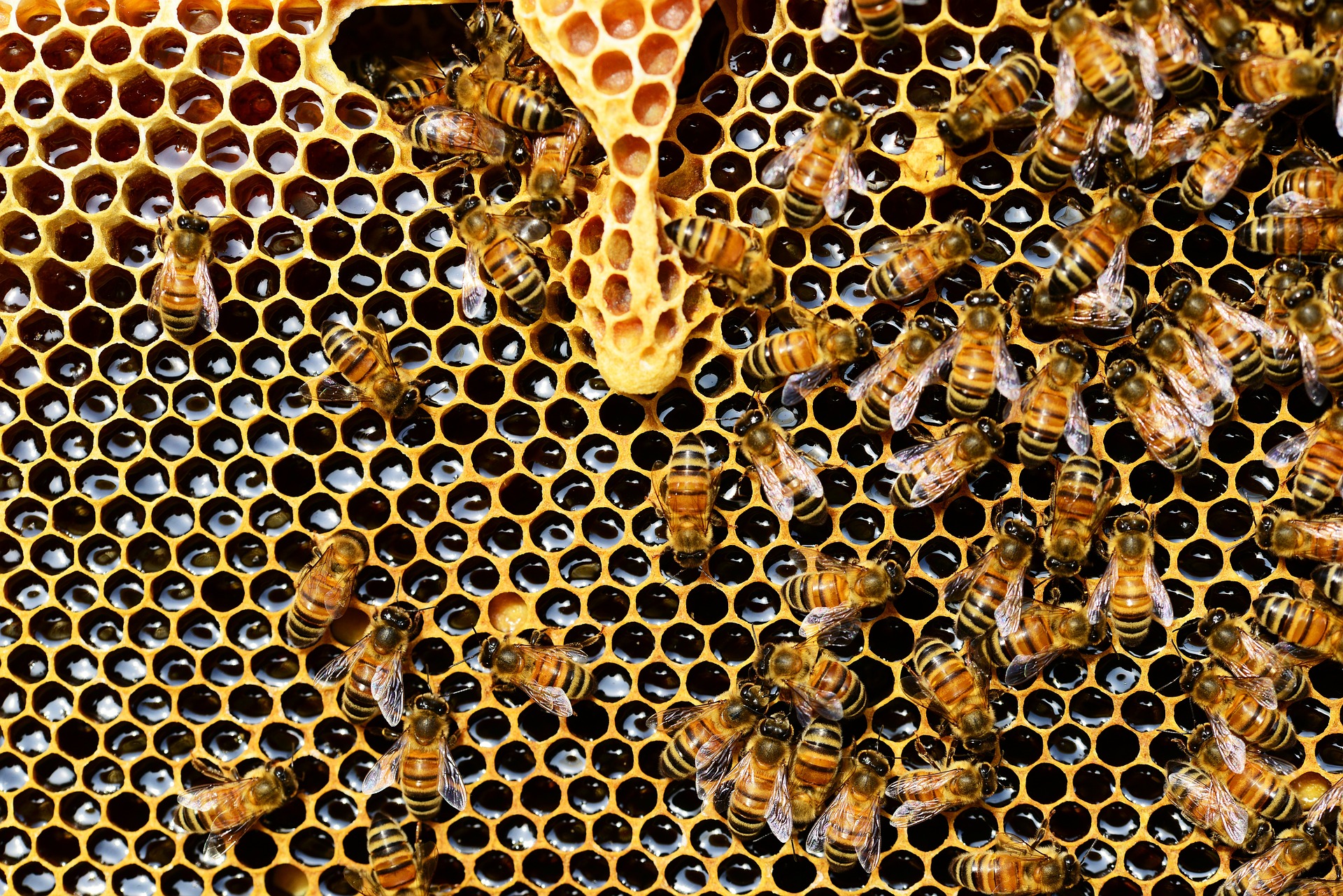
The nectar is still quite watery at this stage, so bees fan their wings to create airflow around the nectar, facilitating evaporation. This process thickens the nectar into honey.
Storage
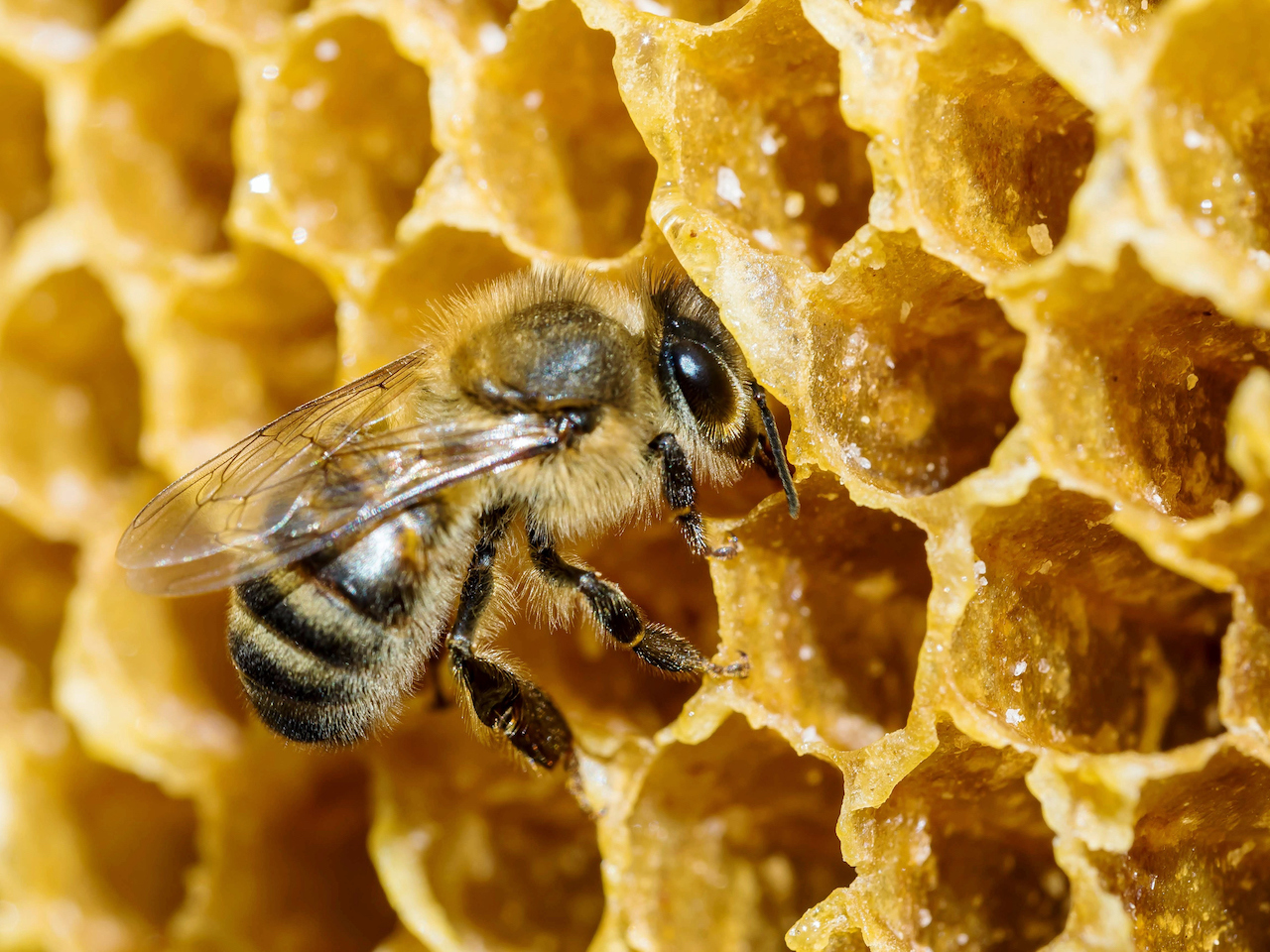
Once the honey reaches the desired consistency, bees store it in hexagonal beeswax cells, sealing it with a wax cap to keep it safe for future use.
This entire process showcases the bees teamwork and dedication to creating honey, which serves several critical functions.
Why Bees Make Honey? The 5 Key Reasons
Energy Storage
Honey is a vital energy source for bees, particularly in colder months when flowers are scarce. The high sugar content provides the necessary calories to sustain the hive.
Nutrition
Honey contains essential nutrients, including vitamins, minerals, and antioxidants, which help support the health of bees.
Food for Larvae
Honey serves as a primary food source for developing bee larvae, ensuring their growth and health in the hive.
Survival Strategy
Storing honey allows colonies to survive through lean periods, ensuring that they have enough resources when flowers are not blooming.
Hive Communication
The act of making honey and its storage can signal other bees about the availability of resources and the overall health of the hive.
The production of honey is not just about survival; it is a complex, beautifully orchestrated process that reflects the incredible adaptation of bees to their environment.
Environmental Impact of Honey Production
Bees are critical pollinators in our ecosystem, and their honey-making activities extend beyond their colonies.
Here are a few points highlighting their environmental impact:
Pollination
While collecting nectar, bees inadvertently pollinate countless plants, contributing to biodiversity and the growth of fruits, vegetables, and flowers.
Ecosystem Health
By facilitating plant reproduction, bees help maintain healthy ecosystems, which in turn supports other wildlife and enhances soil quality.
Agricultural Support
Many crops rely heavily on bee pollination. The production of honey indirectly supports agriculture by enhancing crop yields and resilience.
Understanding the interconnectedness between bees and their environment can inspire us to take action in protecting these vital creatures.
Frequently Asked Questions
Why do bees produce honey?
Bees produce honey primarily as a food source for themselves and their larvae. It serves as an energy reserve during periods when nectar is not available.
Can all bees make honey?
Not all bees make honey. Only certain species, like honeybees, produce honey in significant quantities. Most bee species do not store food in this way.
How much honey does a bee colony produce in a year?
A healthy honeybee colony can produce anywhere from 30 to 100 pounds of honey in a year, depending on factors like flower availability and weather conditions.
Is honey the only food bees eat?
While honey is a primary food source, bees also consume pollen, which provides essential proteins and fats necessary for their growth and development.
How do bees ensure their honey stays safe?
Bees ensure their honey stays safe by sealing it in beeswax cells, protecting it from moisture and pests while maintaining its quality for consumption.
Conclusion
Understanding why bees make honey reveals not only the remarkable survival strategies of these industrious insects but also underscores their crucial role in our ecosystem.
By appreciating the value of honey and the hard work that goes into its creation, we can foster a deeper connection to nature and the environment.
Take action today by supporting local beekeepers, planting bee-friendly flowers, or learning more about the vital role bees play in our food systems. Your involvement can make a difference in preserving these essential creatures.