

The best safety glasses for carpenters are ANSI Z87.1 rated, anti-fog, and comfortable.
You plane, rip, and sand for hours, and the dust never quits. A tiny chip can end a day, or worse, cost your sight. That is why the best safety glasses for carpenters matter more than any fancy tool.
They need to stay clear, fit right under hearing protection, and shrug off fog in a humid shop or a cold morning. I’ve tested what lasts on ladders, at miter saws, and in crawlspaces. Here’s how to choose well and the specific models I trust.
5 Best Safety Glasses for Carpenters
NoCry Clear Anti-Fog Safety Glasses (Z87)
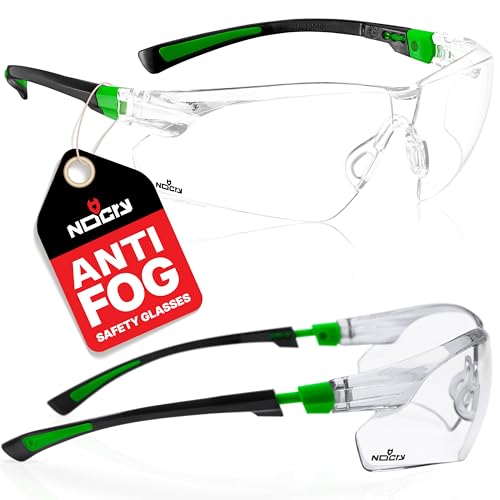
The NoCry Clear Anti-Fog Safety Glasses hit the sweet spot for daily carpentry. They are ANSI Z87 certified and built from tough polycarbonate. The wraparound lens gives wide coverage without the tunnel vision some goggles cause.
Adjustable temples and nose pads help you dial in a stable, pressure-free fit. The coatings resist scratches and reduce fog, which is essential when you work up a sweat or move between hot and cold areas.
I like the UV protection for outdoor framing and deck work. These stay light on the face, even under a cap or hearing protection. For many, this design is the best safety glasses for carpenters under tight budgets.
Pros:
- ANSI Z87 impact rating for jobsite compliance
- Anti-fog and anti-scratch coatings for clear vision
- Adjustable arms and nose pads for a secure, custom fit
- Lightweight wraparound lens with broad side protection
- Blocks 99.9% UV for outdoor carpentry and siding
Cons:
- Coatings can wear down if cleaned with harsh solvents
- Not a gasketed design, so fine dust can sneak in during heavy sanding
- No magnification option for layout or small hardware
My Recommendation
If you want a simple, light, and legal pair that stays put, this is a smart pick. The fit range is wide, so it works for most face shapes. I would grab these as a daily driver for rough framing, demo, and indoor trim. They earn a place on any list of the best safety glasses for carpenters.
| Best for | Why |
|---|---|
| Everyday jobsite use | Light, clear, and ANSI Z87 rated |
| Mixed indoor/outdoor work | UV blocking and anti-fog coatings |
| Budget-focused buyers | Strong value without big trade-offs |
Milwaukee Anti-Fog Safety Glasses (2-Pack)

Milwaukee’s Anti-Fog Safety Glasses pack jobsite credibility with a clean, pro look. The clear lens works well under indoor lighting and cloudy days. The frame has black and red trim that matches common PPE and masks. You get two pairs, which helps with backups or crews.
The anti-fog treatment is solid in humid shops and cold mornings when you move from the truck to the site. The lens curvature offers good side protection for sawdust and chips.
The build feels durable without added weight. For carpenters who want brand consistency, these rank among the best safety glasses for carpenters in a two-pack.
Pros:
- Reliable anti-fog performance in shifting temperatures
- Two-pack value for crews or backups
- Comfortable frame that plays well with earmuffs
- Clear optics with wide coverage
- Durable feel for daily rough use
Cons:
- Arms are not adjustable, so fit is less customizable
- No side shield add-ons or gasket
- Brand styling may not appeal to minimalists
My Recommendation
Choose these if you need dependable anti-fog and want two pairs in rotation. They are great for teams or a busy truck where glasses tend to wander. The look is sharp and familiar. If you are brand loyal, this two-pack is an easy “set and forget” pick among the best safety glasses for carpenters.
| Best for | Why |
|---|---|
| Backup or crew kits | Two-pack boosts availability on site |
| Cold morning starts | Anti-fog holds up to temp swings |
| Tool brand fans | Milwaukee styling and sturdy build |
Ergodyne Skullerz SIXTEN Safety Glasses
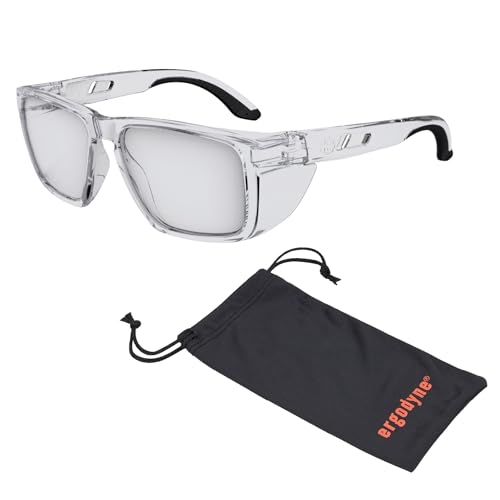
The Ergodyne Skullerz SIXTEN brings a “shop to street” style with real protection. Side shields add coverage without heavy bulk. The anti-fog and anti-scratch coatings help when you work around steam, sweat, and fine dust.
The package includes a microfiber bag for cleaning and storage. The style matters more than it seems. If glasses look and feel right, you wear them more. The SIXTEN sits well under hats and pairs with respirators.
For trim carpenters and finish work, these are among the best safety glasses for carpenters who care about clearer edges and a casual look that still meets ANSI Z87.1.
Pros:
- ANSI Z87.1 compliance with added side shields
- Anti-fog and anti-scratch coatings for active shops
- Low-profile style that you can wear off-site
- Includes microfiber bag for longer lens life
- Comfortable for long days with ear and head PPE
Cons:
- Fixed nose pads; less adjustment range
- Side shields are not gasket-tight against fine dust
- Price can be higher than basic options
My Recommendation
If you want safety glasses that do not scream “jobsite,” choose the SIXTEN. They work for finish carpentry, client meetings, and shop tasks. The side shields and coatings boost real-world protection. They sit high in my list of the best safety glasses for carpenters who want style with standards.
| Best for | Why |
|---|---|
| Finish carpentry | Clear optics and clean looks |
| Client-facing work | Casual style with real protection |
| Long wear sessions | Comfortable fit and lens bag for care |
NoCry Clear Wraparound Safety Glasses (Z87)

This NoCry variant keeps the brand’s strengths and leans into comfort. The wraparound design offers a wider field of view and a snug seal against stray chips. It feels almost weightless, which helps during long days on the saw.
The Z87 rating gives peace of mind for impact hazards. The arms and pads are adjustable, which makes a big difference with hats and muffs.
The lens resists fog and scratches well if you clean with the right cloth. For general carpentry, this pair remains one of the best safety glasses for carpenters who want simple, clear vision with a secure wrap fit.
Pros:
- Full wrap lens for wide, uninterrupted view
- Adjustable temples and nose pads improve fit
- Anti-fog and scratch resistance hold up well
- Light build reduces fatigue during long workdays
- ANSI Z87 certification for impact protection
Cons:
- Not sealed; not ideal for heavy fiberglass or insulation work
- May slip for very small faces without a retainer
- No reader lens or tint options in this listing
My Recommendation
Pick this if you prefer a deeper wrap and a narrower gap near the cheekbones. It is great for miter saws, table saws, and general shop work. The comfort stands out over a full day. It is easy to call this one of the best safety glasses for carpenters who value a secure wrap.
| Best for | Why |
|---|---|
| Saw work and routing | Wide wrap view and good side coverage |
| Long sessions | Very light with adjustable contact points |
| Budget shoppers | Strong performance for the price |
TICONN Anti-Fog Safety Glasses (Z87.1)

TICONN’s clear Z87.1 glasses bring adjustable arms and anti-fog at a wallet-friendly price. The lens clarity is clean for layout lines and fine joinery. The frame feels flexible, which helps prevent cracking in cold weather.
UV protection supports deck and exterior trim work. The anti-scratch coating helps the lens stay clear longer, though it still needs careful cleaning.
The frame sits close, yet breathes enough to reduce fog during heavy work. For new apprentices or carpenters who misplace gear, this is one of the best safety glasses for carpenters that you can buy in multiples.
Pros:
- ANSI Z87.1 compliance for impact safety
- Adjustable arms for a better fit on different faces
- Solid anti-fog and anti-scratch treatment
- Good UV protection for outdoor tasks
- Great value for backups and tool bags
Cons:
- Coatings can wear if wiped with paper towels
- Not sealed, so very fine dust can bypass at cheeks
- Limited style options in this listing
My Recommendation
Grab the TICONN if you want a dependable, low-cost pair that still meets the standard. I like them as spares in the truck and shop. They are ideal for apprentices and weekend projects. They deserve a mention in any guide to the best safety glasses for carpenters for value alone.
| Best for | Why |
|---|---|
| Apprentices and DIYers | Low cost and strong basics |
| Truck and shop spares | Dependable backups when needed |
| Outdoor trim and decks | UV protection plus clear optics |
How I choose the best safety glasses for carpenters?
I judge safety glasses by the same rules I use for saws and levels. They must meet standards, feel good, and work in real dust and heat. The ANSI/ISEA Z87.1 standard is my baseline. Look for the Z87 marking on the frame or lens. For high-impact tasks, such as demo or nail guns, I prefer Z87+.
Fit comes next. Glasses should seal closely at the brow and temples without pinching. Adjustable temples and nose pads help. If you switch between earmuffs and a cap, those adjusters are gold. A good pair will not lift when you slide on hearing protection.
Fog control is key in woodshops. Sweat, breath, and masks make fog. I look for hydrophilic anti-fog coatings that meet current performance claims. Vents can help in dry weather. In cold-to-warm transitions, a coating is better than vents alone. Some folks add a strap to keep the lens stable, which also helps with fog.
Lens quality affects your cuts. Clear lenses with low distortion reduce eye strain on long days. Polycarbonate is standard because it is impact resistant and blocks most UV. I check for edge distortion by reading a tape through the lens. If numbers bend, I pass.
Coverage matters. Wraparound lenses protect from side chips and ricochets. Some jobs need side shields or a foam gasket. Think sanding drywall, cutting cement board, or working overhead. For heavy fiberglass or insulation, sealed goggles are better than glasses. Pick the right level for the task.
Tints and readers are great add-ons. Clear works for most shops and inside framing. Smoke or bronze lenses can reduce glare outdoors. Amber can pop contrast at dawn or dust. If you measure small marks all day, consider bifocal reader safety glasses. +1.5 or +2.0 can save your neck.
Durability shows in the coatings and hinges. Anti-scratch coatings extend life. Hinges that flex without wobble feel safer on ladders. I avoid hard solvents on lenses. Use water and a microfiber cloth. Paper towels will scratch most coatings fast.
Compliance and markings are not a guess. I check the frame for “Z87” or “Z87+.” If there are splash or dust ratings (D3, D4, D5), they will appear as well. For carpentry, impact is the top priority. Dust ratings help for sanding or demo in older homes.
Comfort seals the deal. If glasses bug you, you will not wear them. A light, balanced frame that does not pinch is worth paying for. The best safety glasses for carpenters are the ones you forget you are wearing until a chip bounces off them.
Real jobsite testing tips
I like to test glasses on three tasks. First, crosscut trim on a miter saw, then rip pine on a table saw. Finally, sand hardwood with a random orbital. If the lens stays clear and the seal blocks side chips, it passes. If I take them off to wipe fog every five minutes, it fails.
I also check with earmuffs and a respirator. Some glasses lift at the temple when the muff cup presses in. Some fog more when a respirator directs breath upward. The best safety glasses for carpenters handle both without drama. They keep contact with your face and stay clear when you breathe hard.
Anti-fog care and quick fixes
Even the best coatings need care. Rinse glasses with lukewarm water to float off dust. Then dab with a microfiber cloth. Do not wipe dry dust. It grinds scratches into the lens. Avoid glass cleaner with ammonia. It can eat coatings fast.
For heavy fog days, use a dedicated anti-fog wipe that is coating-safe. Store glasses in a soft bag. Do not toss them in a toolbox. Heat and grit are coating killers. If you work with a mask, pinch the nose seal to stop warm breath from rising. These small steps help any of the best safety glasses for carpenters last longer.
Understanding safety markings
Z87 means the glasses meet the ANSI/ISEA Z87.1 impact standard. Z87+ means high impact. For liquid splash, look for D3. For dust protection, D4 and D5 cover different levels of particulates. Optical clarity and UV blocking are part of the standard. Most clear polycarbonate lenses block 99.9% of UVA and UVB.
OSHA rules (29 CFR 1910.133) require eye protection where hazards exist. Nails, chips, dust, and flying debris all count. For carpenters, a Z87 or Z87+ mark is the quickest way to show compliance. When you pick from the best safety glasses for carpenters, check the marking first.
Common mistakes carpenters make with eye protection
Taking glasses off to read a tape is mistake number one. Get a pair with reader inserts if you need them. Second, using scratched lenses. Scratches scatter light and hide hazards. Replace lenses before they build up. Third, ignoring side protection. Side chips from nail guns or saws can do real harm.
Fourth, cleaning with paper towels. It ruins coatings. Fifth, wearing sunglasses with no Z87 rating on a site. They may block sun but not impact. The best safety glasses for carpenters avoid these pitfalls by design and by good habits.
When to upgrade or replace your safety glasses?
Replace glasses at the first sign of cracks, deep scratches, or loose hinges. If coatings fail and fog becomes constant, it is time. Also replace after any significant hit. Even if they look fine, impacts can stress the frame. If your tasks change, upgrade to sealed or high-impact models.
If you find yourself removing glasses to see fine print, upgrade to a reader model. Comfort upgrades are worth it too. If the bridge hurts after an hour, that pair is the wrong one. The best safety glasses for carpenters should feel like a natural part of your kit.
Prescription and compatibility notes
If you need prescription lenses, look for Z87-rated prescription frames or over-glasses. Some frames accept prescription inserts. Always confirm the final setup still meets Z87. If you wear a respirator, test together. A bad combo can cause fog or gaps that let dust in.
Most of the best safety glasses for carpenters play well with earmuffs. Low-profile arms reduce the gap under the muff seal. If noise control is crucial, pick thin-armed frames. Check the fit with your actual muffs and cap. Small changes matter over eight hours.
Cost versus value
You do not need to spend big to get safe glasses. The five models above prove that. Pay more for better coatings, nicer hinges, and added features like side shields. Pay less when you need backups and loaners. I keep one premium pair and a few budget spares.
Value is simple on the jobsite. The best safety glasses for carpenters are the ones that stay on your face. That means comfort, clear optics, and low fog. If a low-cost pair checks those boxes for you, that is value. If you want premium fit and finish, that is value too.
FAQs Of best safety glasses for carpenters
Do carpenters need Z87 or Z87+ glasses?
Z87 is the basic impact standard. Z87+ adds high-impact protection. For demo, nail guns, and cut-off wheels, I aim for Z87+. For routine trim and layout, Z87 is often enough. Check site rules.
How do I stop safety glasses from fogging?
Choose a pair with a quality anti-fog coating. Clean with water and a microfiber cloth. Pinch your mask nose bridge to stop warm breath. Use anti-fog wipes for tough days.
Are clear lenses best for indoor carpentry?
Yes. Clear lenses give true color and accurate lines. Use smoke or bronze tints outdoors to reduce glare. Amber can help at dawn or in dust.
Can I wear regular sunglasses on a jobsite?
Not unless they are Z87-rated. Fashion sunglasses are not tested for impact. Look for Z87 or Z87+ on the frame or lens.
When should I replace safety glasses?
Replace them after a hard hit, deep scratches, cracks, or loose hinges. Replace if fogging gets constant or coatings peel. Lenses are cheap compared to eyesight.
Final Verdict: Which Should You Buy?
For a daily driver, the NoCry Clear Anti-Fog Safety Glasses (Z87) balance comfort, clarity, and value. They fit many faces and stay clear. For style and side shields, the Ergodyne Skullerz SIXTEN shines. Need backups? The Milwaukee two-pack is a safe bet.
Any of these can be the best safety glasses for carpenters if they fit and stay fog-free for you. Pick the pair that you will wear all day, every day.