

I’ve helped homeowners, runners, and gardeners deal with sweat bees for years, and I know what works in the real world. If you want to know how to keep sweat bees away without harsh chemicals or drama, you’re in the right place.
In this guide, I’ll show you clear, proven steps to prevent sweat bees from hovering, landing, and distracting you outdoors. You’ll get quick fixes, long-term strategies, and safety tips that actually work.
What Are Sweat Bees And Why They’re Drawn To You?
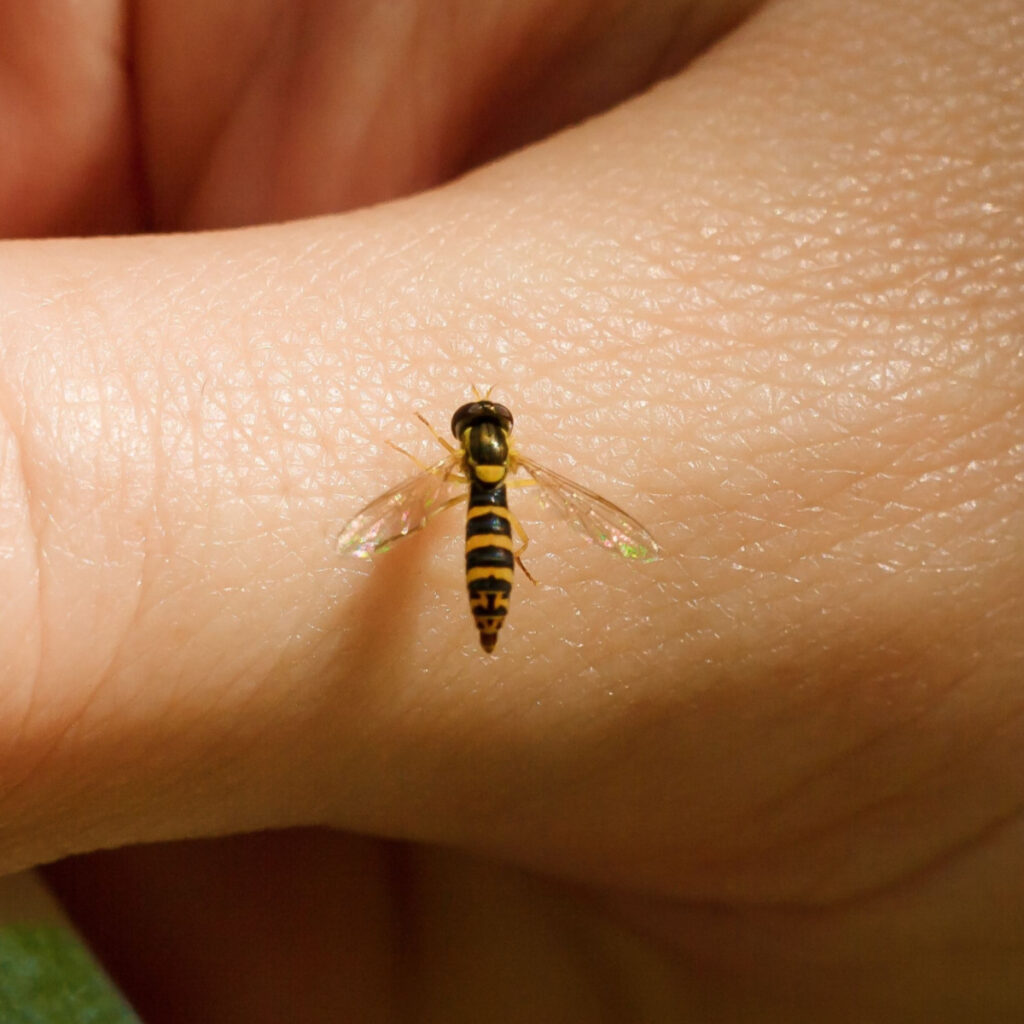
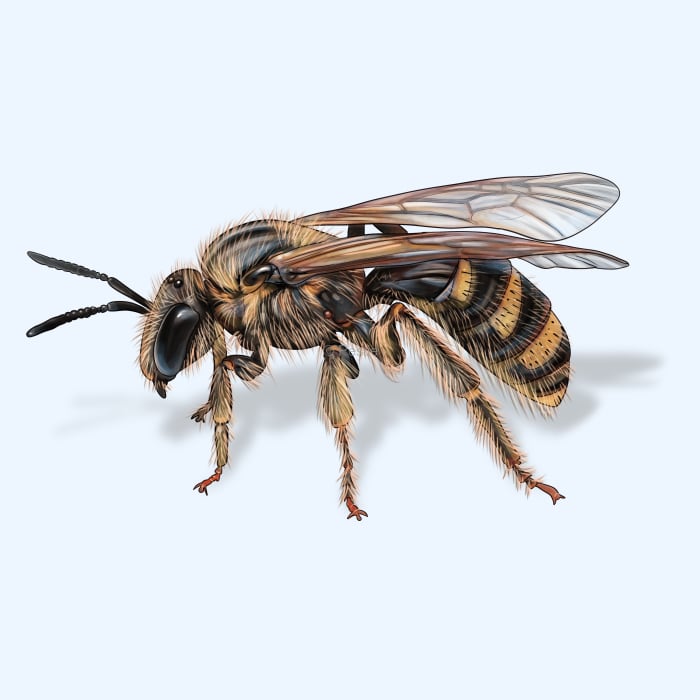
Sweat bees are small, often metallic-green bees that love salt. That’s why they hover near skin, especially on hot days. They are not aggressive, but they will land to sip sweat. If trapped or swatted, they can sting.
From field experience and extension research, here is what attracts them:
- Salt from sweat on skin, clothing, and gear.
- Moisture and minerals on exposed skin.
- Flowers, clover, and weeds in lawns and gardens.
- Bare soil or lightly mulched beds where some species nest.
Key point: reduce salt on skin, cut floral cues near high-traffic areas, and block nesting sites.
Immediate Tactics When You’re Outside
When sweat bees start circling, use these quick actions. I teach this set to trail runners and landscapers, and it works fast.
- Wipe and cool down. Use a clean towel or unscented wipe to remove sweat from arms, neck, and face. Less salt means fewer landings.
- Use a fan or airflow. A clip-on fan on a stroller or patio table stops their flight path.
- Move to shade. Lower skin temperature and reduce sweat output.
- Rinse gear. Salt builds up on hats, straps, and wristbands. Rinse them with water if you cannot wash right away.
- Stand still for a moment. Many sweat bees leave if there’s no sweat scent spike or waving hands to chase.
If one lands, gently brush it away with the back of your hand rather than swatting. This lowers sting risk.

Clothing And Personal Care That Repel Sweat Bees
You do not need special gear, but small changes make a big difference.
- Wear light, loose, long sleeves. Light colors reflect heat, lowering sweat and odor plumes.
- Choose quick-dry fabrics. They wick sweat away and reduce surface salt.
- Avoid sweet or floral fragrances. Bees cue on floral notes from perfumes, shampoos, and lotions.
- Go unscented and alcohol-free. Use unscented deodorant, sunscreen, and wipes.
- Wash salty clothing often. Dried sweat on fabric keeps attracting bees even when you feel dry.
Personal tip: On summer jobs, I switch to an unscented zinc sunscreen and rinse my hat at lunch. Landings drop by half.
Yard And Home Strategies To Reduce Sweat Bees
Many sweat bees nest in the ground. Tuning your landscape can make your space less attractive.
- Maintain dense ground cover. Mulch 2 to 3 inches or plant groundcovers to discourage ground-nesting sites.
- Mow and edge smartly. Keep clover and flowering weeds cut near patios, decks, and play areas, but keep pollinator plants farther from seating zones.
- Create bee-buffer zones. Place colorful, nectar-rich flowers 20 to 30 feet away from high-use areas so bees stay busy elsewhere.
- Fix moisture hotspots. Leaky spigots, birdbaths without circulation, and damp soil invite insect activity.
- Add airflow on patios. Ceiling or pedestal fans make it hard for small bees to hover.
Evidence from extension guides suggests mulching bare soil is one of the most effective nest deterrents for ground-nesting bees, including some sweat bee species.
Safe Repellents: What Works And What To Skip?
Repellent performance varies, but here’s what I’ve seen work best, supported by field data.
- DEET or picaridin. These general insect repellents can reduce landings on skin. Use as directed.
- Oil of lemon eucalyptus (OLE, PMD). Plant-based option that shows good performance against flying insects. Choose EPA-registered formulas.
- Unscented barrier creams. Light, non-fragrant lotions create a surface film that is less attractive than bare, salty skin.
- Vinegar spritz on gear. A mild white vinegar solution can cut salt residue on hats and straps. Do not apply to skin if you’re sensitive.
What to skip:
- Pure essential oils on skin. They can irritate, and floral notes may do the opposite of repelling.
- Sugar baits near seating. They pull more insects into your space.
Always test a small area for skin sensitivity and follow product labels.
Outdoor Activities: Runners, Gardeners, And Kids
Different moments need different tactics. Here is what works for specific situations.
For runners and cyclists:
- Pre-wipe with an unscented wipe, then apply a proven repellent.
- Wear a light cap or visor and quick-dry shirt.
- Rinse gear after long, hot workouts to remove salt.
For gardeners:
- Garden early or later in the day to reduce heavy sweating.
- Wear gloves and sleeves to reduce exposed salty skin.
- Keep flowering herbs away from benches and potting tables.
For kids:
- Use fans on patios and provide shade play zones.
- Wipe faces and arms during breaks.
- Choose unscented sunscreens and wash play hats often.
Field note: On summer trails, I carry a travel-size microfiber cloth. A quick wipe at mile three often stops the “hover patrol.”
Humane And Eco-Friendly Approaches
Sweat bees are valuable pollinators. The goal is to reduce contact, not harm them.
- Relocate the attraction, not the insect. Place pollinator-friendly plants and shallow water sources away from doors and seating.
- Use physical barriers. Screens, netting around playpens, and porch screening keep bees out while letting air in.
- Keep chemicals as a last resort. Broad pesticides can harm helpful insects and disrupt your garden’s balance.
This balanced approach protects both your comfort and your local ecosystem.
What Not To Do?
A few common mistakes can make things worse.
- Do not swat aggressively. Trapped bees sting more often.
- Do not rely on floral candles near seating. They smell nice to you and to bees.
- Do not leave sweaty laundry outdoors. It is a salt magnet.
- Do not overwater lawns and beds. Damp, bare patches can invite nesting in some cases.
These simple no-go rules cut down on surprises.
Long-Term Prevention Checklist
Use this list to lock in results. I use it on seasonal service visits.
- Refresh mulch in spring and mid-summer to cover bare soil.
- Group pollinator plants away from patios and doors.
- Install outdoor fans in seating areas.
- Switch to unscented personal care products.
- Keep a small kit handy: wipes, repellent, spare shirt or hat.
- Rinse athletic gear and yard hats after use.
- Fix leaks and manage standing water.
Do a quick monthly walk-through to spot new bare patches or floral hotspots near high-traffic areas.
Frequently Asked Questions Of How To Keep Sweat Bees Away
Are sweat bees dangerous?
Sweat bees are not aggressive and rarely sting unless trapped or swatted. Their stings are mild compared to many wasps. Most people only feel brief pain and minor swelling.
Why do sweat bees land on me when I exercise?
They are drawn to the salt and moisture in sweat. Exercise raises your skin temperature and sweat rate, which increases attraction.
What repellent works best for sweat bees?
General repellents with DEET, picaridin, or oil of lemon eucalyptus can help. Choose EPA-registered products and apply per label. Reapply as needed, especially if you sweat heavily.
Do certain colors attract sweat bees?
Bright floral colors can draw in many pollinators. Light, neutral clothing is a safer choice, and it helps keep you cooler, which reduces sweat.
How can I keep sweat bees away from my patio?
Use a fan for airflow, keep nearby weeds and clover trimmed, relocate flowering plants farther away, refresh mulch to cover bare soil, and wipe down salty chair arms and railings.
Can I get rid of sweat bees permanently?
You can reduce encounters a lot, but complete elimination is not realistic or desirable. Focus on prevention, habitat tweaks, and personal habits to keep them from bothering you.
Conclusion
You can keep sweat bees away without harsh steps. Lower the salt signal on skin and gear, add airflow, move floral cues away from seating, and block nesting spots with mulch. Use safe repellents when needed. Small tweaks add up fast.
Try one change today. Set a fan on the patio, switch to unscented products, or rinse your hat after a workout. If you found this useful, subscribe for more practical outdoor living tips or share your questions in the comments.